

Secrets Of New Bedford’s Whaling Captain Mansions
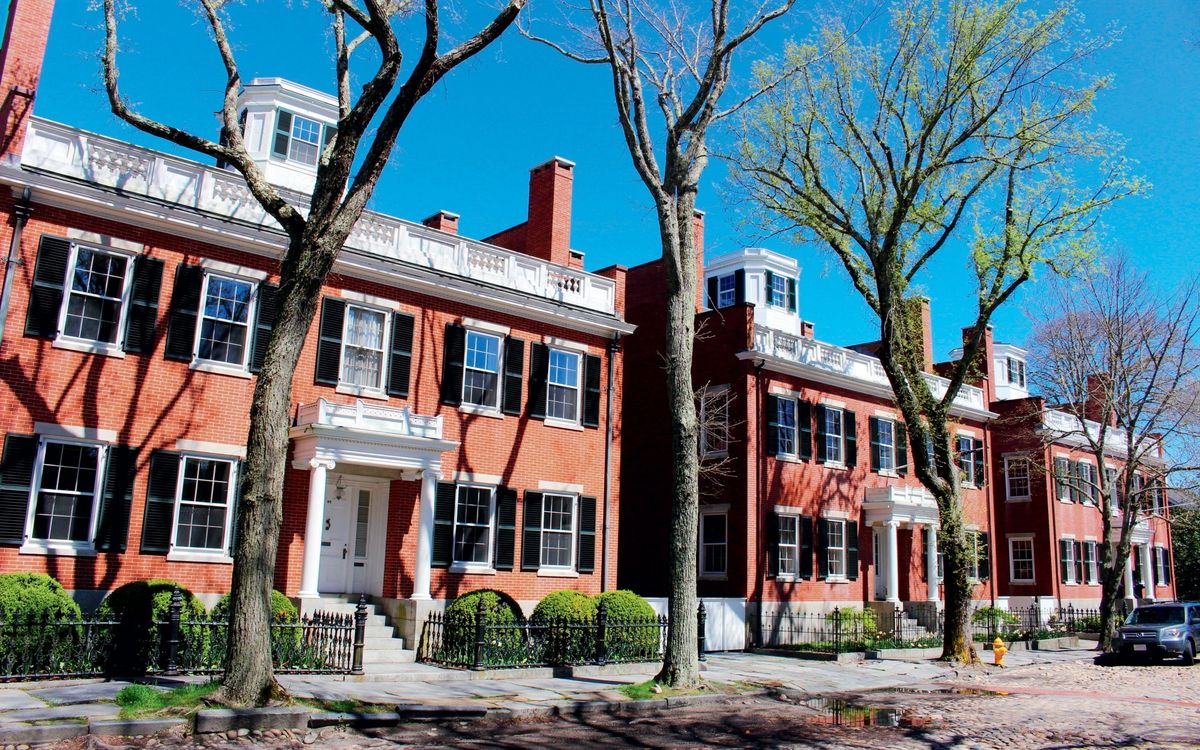
Have you ever wondered what life was like for a whaling captain in the 19th century? New Bedford, Massachusetts, once known as the "Whaling Capital of the World," offers a glimpse into this fascinating past. The whaling captain mansions in New Bedford are grand homes that tell stories of adventure, wealth, and the sea. These historic houses, built during the height of the whaling industry, showcase stunning architecture and luxurious details. Walking through these mansions, you can almost hear the tales of long voyages, dangerous hunts, and the fortunes made from whale oil. Ready to step back in time and explore the legacy of these sea captains? Let's dive into the secrets of New Bedford's whaling captain mansions.
Discovering New Bedford's Whaling Captain Mansions
New Bedford, Massachusetts, once known as the "Whaling City," boasts a rich maritime history. The whaling industry brought immense wealth to the area, leading to the construction of grand mansions by successful whaling captains. These homes, filled with history and architectural beauty, offer a glimpse into the past.
1. The Rotch-Jones-Duff House
The Rotch-Jones-Duff House, built in 1834, stands as a testament to the wealth and influence of whaling captains. This Greek Revival mansion, with its grand columns and expansive gardens, was home to three prominent families. Today, it serves as a museum, showcasing period furnishings and offering insights into 19th-century life.
2. The Seamen's Bethel
Though not a mansion, the Seamen's Bethel holds significant importance in New Bedford's whaling history. Built in 1832, this chapel provided spiritual solace to sailors before they embarked on long voyages. The interior features memorial plaques dedicated to lost seamen, making it a poignant stop on any historical tour.
3. The Nathan and Polly Johnson House
This historic home, built in 1857, belonged to Nathan and Polly Johnson, prominent African American abolitionists. The Johnsons provided shelter to Frederick Douglass, a former slave who became a leading voice in the abolitionist movement. The house stands as a symbol of courage and the fight for freedom.
4. The New Bedford Whaling Museum
While not a mansion, the New Bedford Whaling Museum offers an extensive collection of artifacts related to the whaling industry. Visitors can explore exhibits featuring whaling tools, ship models, and even a massive whale skeleton. The museum provides a comprehensive understanding of the city's whaling heritage.
5. The William Rotch Jr. House
Built in 1834, the William Rotch Jr. House is another stunning example of Greek Revival architecture. William Rotch Jr., a prominent whaling merchant, spared no expense in constructing this grand residence. The house features elegant interiors, including a grand staircase and intricate woodwork, reflecting the opulence of the era.
6. The James Arnold Mansion
The James Arnold Mansion, constructed in 1821, showcases Federal-style architecture. James Arnold, a successful merchant and philanthropist, used his wealth to create a home that exuded elegance. The mansion's beautifully landscaped gardens and stately rooms offer a glimpse into the luxurious lifestyle of New Bedford's elite.
7. The Benjamin Rodman Mansion
Built in 1821, the Benjamin Rodman Mansion is a fine example of Federal-style architecture. Benjamin Rodman, a prosperous whaling merchant, designed the house with attention to detail and grandeur. The mansion's well-preserved interiors and period furnishings transport visitors back to the height of New Bedford's whaling era.
8. The Joseph Grinnell Mansion
The Joseph Grinnell Mansion, constructed in 1830, stands as a symbol of the city's maritime prosperity. Joseph Grinnell, a prominent whaling merchant, built this Greek Revival mansion with impressive columns and a grand entrance. The house's elegant design and historical significance make it a must-visit for history enthusiasts.
9. The Charles W. Morgan House
The Charles W. Morgan House, built in 1833, is named after the famous whaling ship, the Charles W. Morgan. This mansion, with its classic Greek Revival style, reflects the wealth and status of its owner. The house's historical significance and architectural beauty make it a notable landmark in New Bedford.
10. The Samuel Rodman Jr. House
Constructed in 1821, the Samuel Rodman Jr. House is another stunning example of Federal-style architecture. Samuel Rodman Jr., a successful whaling merchant, designed the house with elegance and sophistication. The mansion's well-preserved interiors and historical artifacts offer a fascinating glimpse into the past.
Discover New Bedford's Rich History
New Bedford's whaling captain mansions offer a unique glimpse into the past. These grand homes tell stories of adventure, wealth, and the sea. Walking through the historic district, you can almost hear the echoes of sailors and captains planning their next voyage. Each mansion, with its intricate details and rich history, showcases the city's importance in the whaling industry. Visiting these homes isn't just about admiring architecture; it's about connecting with a time when New Bedford was the whaling capital of the world. Whether you're a history buff or just curious, these mansions provide a fascinating look into a bygone era. So next time you're in New Bedford, take a stroll through these historic streets. You'll leave with a deeper appreciation for the city's maritime heritage and the people who made it thrive.
