Hidden Tunnels Beneath Boston’s North End
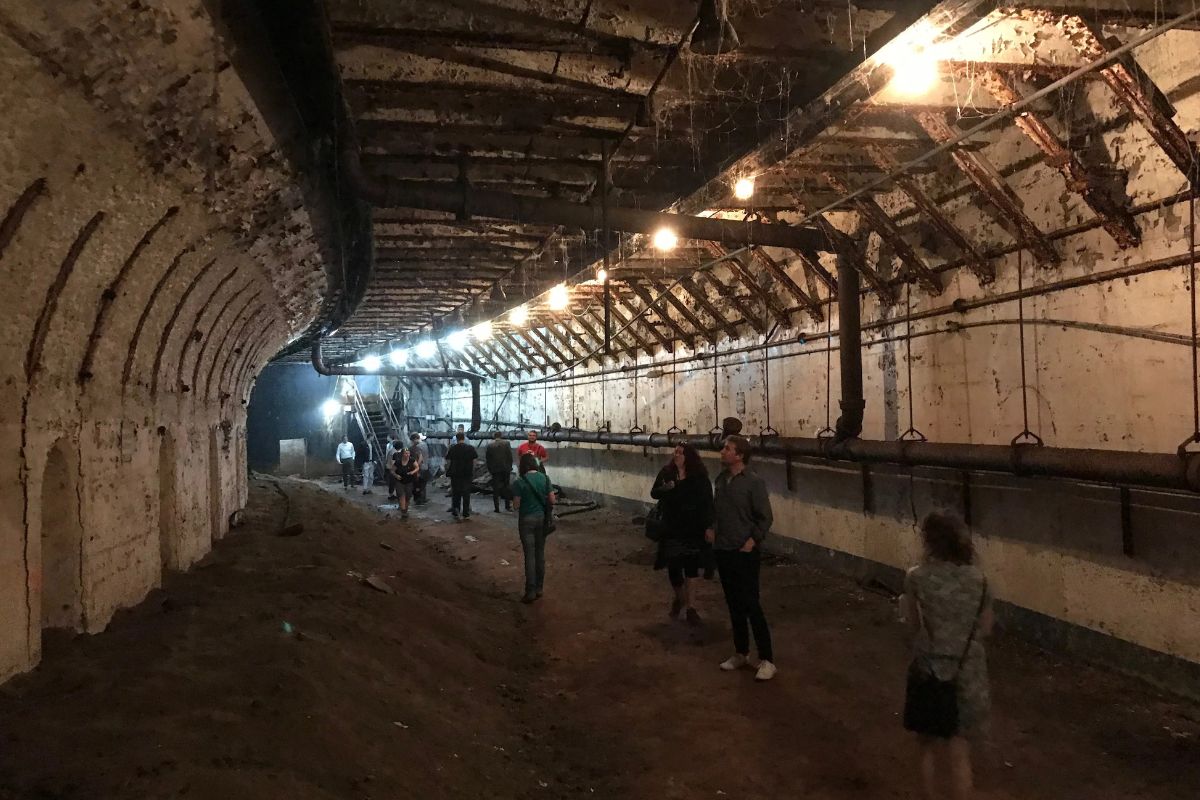
Ever wondered what's beneath the bustling streets of Boston's North End? Beneath the historic charm lies a network of hidden tunnels that tell tales of the past. These secret passageways, some dating back to colonial times, have sparked curiosity among locals and tourists alike. Used for various purposes, including smuggling and escape routes, these tunnels offer a glimpse into a different era. Imagine walking through these underground corridors, feeling the weight of history around you. Whether you're a history buff or just love a good mystery, exploring these tunnels adds a unique layer to your Boston adventure. Ready to uncover the secrets beneath your feet?
Hidden Tunnels Beneath Boston's North End
Boston's North End is famous for its rich history, delicious food, and vibrant culture. But beneath the cobblestone streets lies a network of hidden tunnels that tell a story of their own. These tunnels have been used for various purposes over the centuries, from smuggling to secret meetings. Let's dive into some of the most intriguing tunnels beneath Boston's North End.
1. The Paul Revere House Tunnel
The Paul Revere House, one of Boston's oldest buildings, has a tunnel that dates back to the Revolutionary War. This tunnel was used by Paul Revere and other patriots to move undetected through the city. It provided a secret route for delivering messages and supplies, playing a crucial role in the fight for independence.
2. The Old North Church Tunnel
The Old North Church, famous for its "One if by land, two if by sea" signal, also has a hidden tunnel. This tunnel was used to smuggle goods during the British occupation. It connected the church to nearby buildings, allowing for the discreet movement of people and contraband. Today, it stands as a testament to the ingenuity of Boston's early residents.
3. The Copp's Hill Burying Ground Tunnel
Copp's Hill Burying Ground, one of Boston's oldest cemeteries, has a tunnel that was used by grave robbers in the 18th and 19th centuries. These robbers would dig up freshly buried bodies to sell to medical schools for dissection. The tunnel provided a quick escape route, making it easier for them to avoid capture.
4. The Boston Harbor Tunnel
Connecting the North End to Boston Harbor, this tunnel was used by smugglers during Prohibition. It allowed them to bring in illegal alcohol without being detected by law enforcement. The tunnel's entrance is hidden beneath a seemingly ordinary building, making it a perfect hideout for bootleggers.
5. The Prince Street Tunnel
Prince Street, once a bustling hub of activity, has a tunnel that was used by the Underground Railroad. This tunnel provided a safe passage for escaped slaves seeking freedom in the North. It connected several safe houses, allowing for a secure and secretive route out of the city.
6. The Salem Street Tunnel
Salem Street's tunnel was used by the Irish immigrants who settled in the North End during the 19th century. It connected various homes and businesses, allowing for a close-knit community to thrive. The tunnel also served as a refuge during times of anti-Irish sentiment, providing a safe space for those in need.
7. The Hanover Street Tunnel
Hanover Street, known for its vibrant markets and shops, has a tunnel that was used during the Great Molasses Flood of 1919. This tunnel provided an escape route for residents trapped by the flood of molasses that swept through the North End. It stands as a reminder of one of Boston's most unusual disasters.
8. The Charter Street Tunnel
Charter Street's tunnel was used by the Italian immigrants who made the North End their home in the early 20th century. It connected various social clubs and meeting places, allowing for a strong sense of community. The tunnel also played a role in the local mafia's operations, providing a discreet route for their activities.
9. The Fleet Street Tunnel
Fleet Street's tunnel was used by the North End's Jewish community in the early 1900s. It connected several synagogues and community centers, allowing for a close-knit and supportive community. The tunnel also provided a safe space during times of anti-Semitic violence, offering refuge to those in need.
10. The North Square Tunnel
North Square, one of Boston's oldest public squares, has a tunnel that was used by the city's elite during the 18th century. This tunnel connected several grand homes, allowing for discreet meetings and social gatherings. It stands as a testament to the opulence and intrigue of Boston's early high society.
Discovering Boston's Hidden Tunnels
Exploring the hidden tunnels beneath Boston's North End offers a unique glimpse into the city's rich history. These underground passages, once bustling with activity, now serve as silent witnesses to the past. Walking through them, you can almost hear the echoes of those who once used these routes for commerce, escape, and secrecy.
Visiting these tunnels isn't just about seeing old bricks and mortar. It's about connecting with the stories and lives of people from centuries ago. Whether you're a history buff or just curious, these tunnels provide a fascinating adventure right beneath your feet.
Next time you're in Boston, take a moment to explore these hidden gems. You'll gain a deeper appreciation for the city's history and the secrets it holds. It's a journey through time that you won't soon forget.