

Secrets Of Maryland’s Wild Horse Herds On Assateague Island
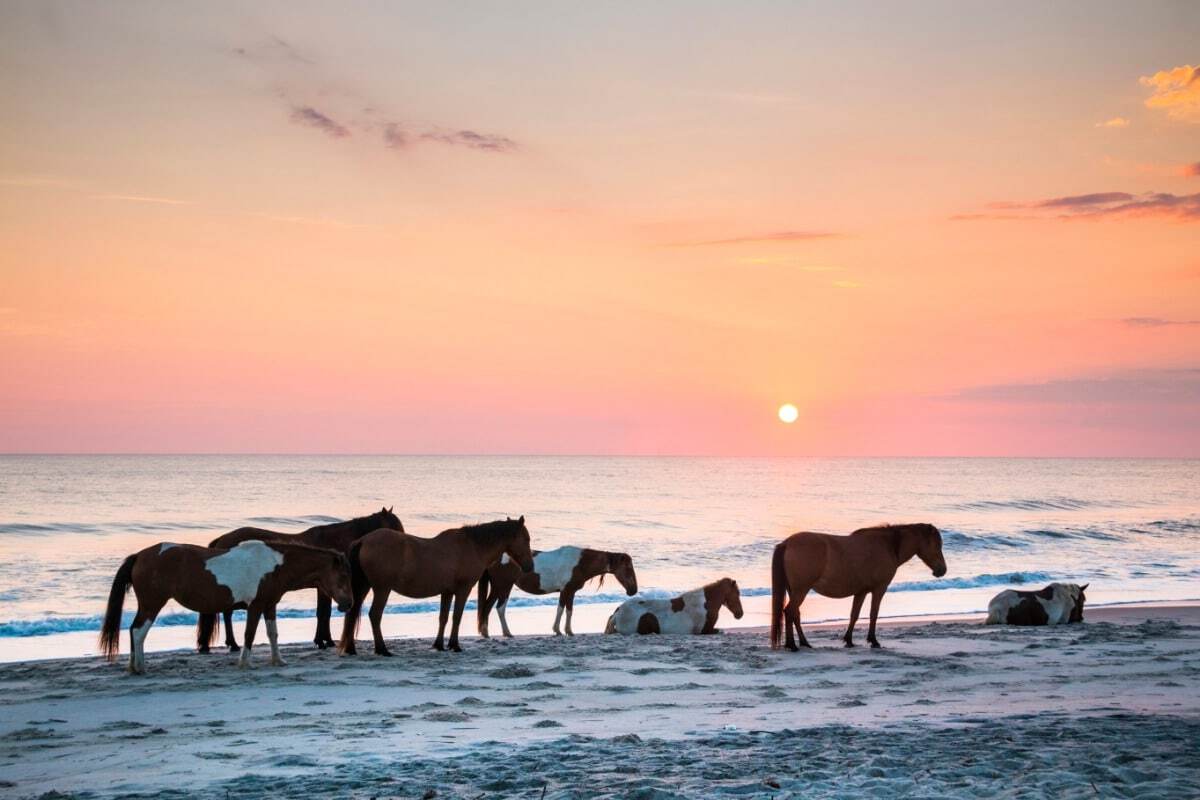
Have you ever wondered where you can see wild horses in Maryland? Head to Assateague Island! This barrier island, split between Maryland and Virginia, is home to a unique herd of wild horses. These majestic creatures roam freely along the beaches, marshes, and forests of the island. Watching them graze or gallop across the sand is a sight you won't forget. Besides the horses, Assateague offers beautiful beaches, hiking trails, and camping spots. Whether you're a nature lover or just looking for a unique adventure, Assateague Island is a must-visit. Get ready to experience the wild beauty of Maryland's own wild horse paradise!
Maryland's Wild Horse Herds: A Hidden Gem
Maryland's Assateague Island is home to one of the most unique and enchanting sights on the East Coast: wild horse herds. These majestic creatures roam freely, offering a glimpse into a world where nature reigns supreme. Let's uncover the secrets of these wild horse herds and the best spots to witness their beauty.
Best Spots to See the Wild Horses
Assateague Island stretches over 37 miles, providing numerous opportunities to see these wild horses in their natural habitat. Here are the top places to catch a glimpse of these magnificent animals.
Assateague Island National Seashore
- The Assateague Island National Seashore is a prime location for spotting wild horses. With its pristine beaches and diverse ecosystems, this area offers a perfect backdrop for observing these creatures. Early morning or late afternoon visits increase chances of sightings.
Chincoteague National Wildlife Refuge
- Located on the Virginia side of Assateague Island, the Chincoteague National Wildlife Refuge is another excellent spot. While primarily known for its birdwatching, the refuge also provides ample opportunities to see wild horses grazing in the marshes.
Bayside Drive
- Bayside Drive offers a scenic route through the island's diverse landscapes. This drive provides multiple pull-off points where visitors can stop and look for wild horses. Keep binoculars handy for a closer view.
Understanding the Wild Horse Herds
The wild horses of Assateague Island have a rich history and unique behaviors that make them fascinating to observe. Here are some key points to understand about these herds.
Origins and History
- The origins of Assateague's wild horses are shrouded in mystery. Some believe they are descendants of Spanish shipwreck survivors, while others think colonial settlers brought them. Regardless of their origins, these horses have adapted to the island's harsh conditions over centuries.
Behavior and Social Structure
- Wild horses on Assateague Island live in small family groups called bands. Each band consists of a dominant stallion, several mares, and their offspring. Observing their interactions provides insight into their complex social structures.
Adaptations to Island Life
- These horses have developed unique adaptations to survive on Assateague Island. They drink brackish water, graze on salt-tolerant plants, and have a tough, resilient nature that helps them endure the island's challenging environment.
Tips for Responsible Viewing
While observing wild horses is a thrilling experience, it's essential to do so responsibly to protect both the animals and their habitat. Here are some tips for responsible viewing.
Maintain a Safe Distance
- Always keep a safe distance from the wild horses. Approaching too closely can stress the animals and disrupt their natural behaviors. Use binoculars or a zoom lens for a closer look without disturbing them.
Do Not Feed the Horses
- Feeding wild horses can be harmful to their health and alter their natural foraging behaviors. It's crucial to let them find their own food and maintain their wild instincts.
Follow Park Regulations
- Adhere to all park regulations and guidelines when visiting Assateague Island. These rules are in place to protect both the wildlife and visitors, ensuring a safe and enjoyable experience for everyone.
Best Times to Visit
Timing your visit can significantly impact your chances of seeing the wild horses. Here are the best times to plan your trip.
Early Morning and Late Afternoon
- Wild horses are most active during the cooler parts of the day. Early morning and late afternoon are ideal times for sightings, as the horses are often grazing or moving about during these periods.
Off-Season Visits
- Visiting during the off-season, such as late fall or early spring, can provide a more peaceful experience with fewer crowds. The horses are still active, and the island's natural beauty remains stunning year-round.
Capturing the Perfect Photo
Photographing wild horses can be a rewarding challenge. Here are some tips to help you capture the perfect shot.
Use Natural Light
- Natural light can enhance the beauty of your photos. Early morning and late afternoon light, known as the golden hours, provide soft, warm lighting that can make your photos stand out.
Be Patient and Observant
- Patience is key when photographing wild horses. Spend time observing their behavior and movements to anticipate the best moments for a shot. Being patient can lead to capturing unique and memorable images.
Respect Their Space
- Always respect the horses' space when photographing them. Use a zoom lens to get close-up shots without intruding on their territory. This approach ensures both your safety and the well-being of the horses.
Embrace the Magic of Assateague Island
Maryland's Assateague Island offers a unique experience with its wild horse herds. These majestic creatures, roaming freely, provide a glimpse into nature's untouched beauty. Visiting the island means more than just seeing horses; it's about connecting with a piece of history and nature. The island's diverse ecosystem, from sandy beaches to lush marshlands, adds to its charm. Remember to respect the wildlife and follow guidelines to keep the environment pristine. Whether you're a nature lover, photographer, or just looking for a peaceful escape, Assateague Island promises unforgettable memories. Plan your trip, pack your essentials, and get ready to witness the wild horses in their natural habitat. This adventure will leave you with stories to share and a deeper appreciation for Maryland's natural wonders.
