

Secrets Of Maryland’s South Mountain Signal Stations
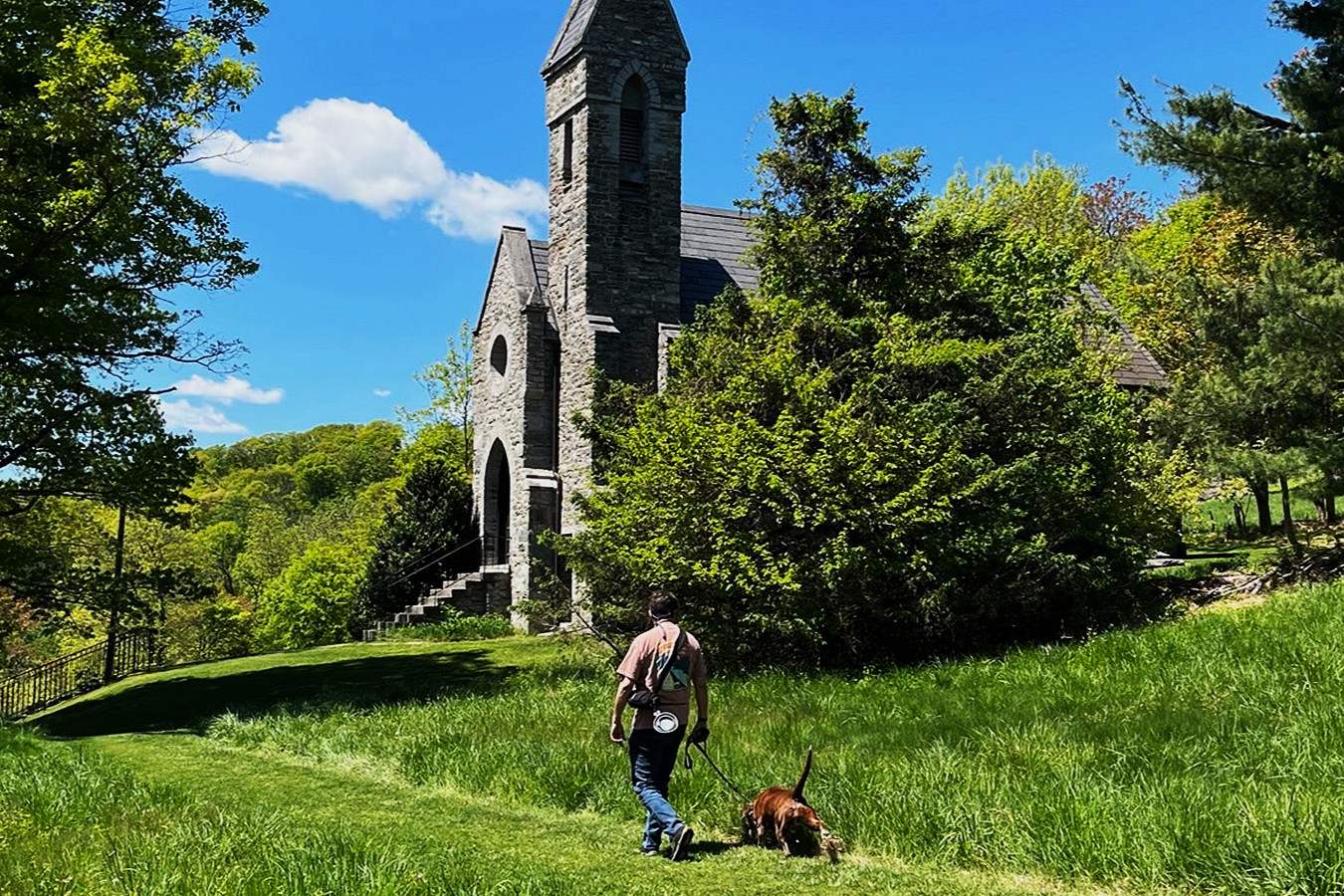
Have you ever wondered about the hidden history of Maryland's South Mountain Signal Stations? These stations played a crucial role during the Civil War, serving as communication hubs for Union forces. Perched high on the mountain, they offered a strategic vantage point to relay messages across vast distances. Imagine soldiers using flags and torches to send vital information, all while keeping a watchful eye on enemy movements. Today, these historic sites offer a glimpse into the past, allowing visitors to walk in the footsteps of those who once stood guard. Ready to learn more about these fascinating landmarks? Let's dive in!
Secrets of Maryland's South Mountain Signal Stations
Maryland's South Mountain is a treasure trove of history and natural beauty. Among its many secrets are the signal stations that played crucial roles during the Civil War. These stations, perched on high points, provided strategic advantages for communication and surveillance. Let's uncover some of these fascinating locations.
1. Washington Monument State Park
Washington Monument State Park is home to the first completed monument dedicated to George Washington. This stone tower, built in 1827, also served as a signal station during the Civil War. From its summit, you can enjoy panoramic views of the surrounding landscape.
- Historical Significance: Used for signaling during the Battle of South Mountain.
- Activities: Hiking, picnicking, and bird-watching.
- Best Time to Visit: Spring and fall for mild weather and vibrant foliage.
2. Lamb's Knoll
Lamb's Knoll, located near Boonsboro, offers a mix of history and natural beauty. This peak was a key signal station during the Civil War, providing a vantage point for Union forces.
- Historical Significance: Vital for Union communication during the Maryland Campaign.
- Activities: Hiking and exploring historical markers.
- Best Time to Visit: Late spring to early fall for clear skies and pleasant temperatures.
3. Maryland Heights
Maryland Heights, overlooking Harpers Ferry, is another significant signal station. The rugged terrain and steep cliffs made it a strategic location for both Union and Confederate forces.
- Historical Significance: Scene of intense battles and signaling activities.
- Activities: Hiking, rock climbing, and historical tours.
- Best Time to Visit: Autumn for stunning fall colors and cooler weather.
4. Elk Ridge
Elk Ridge, part of the South Mountain range, played a crucial role in Civil War communications. Its elevation provided a clear line of sight for signaling between different points.
- Historical Significance: Used for signaling during the Antietam Campaign.
- Activities: Hiking and wildlife observation.
- Best Time to Visit: Summer for lush greenery and abundant wildlife.
5. Crampton's Gap
Crampton's Gap, located in Gathland State Park, is steeped in history. This gap was a key signal station during the Battle of South Mountain, providing critical communication for Union forces.
- Historical Significance: Site of the War Correspondents Memorial Arch.
- Activities: Hiking, picnicking, and exploring historical sites.
- Best Time to Visit: Spring and fall for comfortable hiking conditions.
6. Fox's Gap
Fox's Gap, another significant location in the South Mountain range, served as a signal station during the Civil War. The gap witnessed fierce fighting and played a vital role in communication.
- Historical Significance: Site of the Battle of South Mountain.
- Activities: Hiking and historical exploration.
- Best Time to Visit: Late summer to early fall for optimal weather.
7. Turner’s Gap
Turner’s Gap, located along the Appalachian Trail, offers a blend of history and scenic beauty. This gap was a crucial signal station during the Civil War, providing strategic advantages for Union forces.
- Historical Significance: Key location during the Battle of South Mountain.
- Activities: Hiking, historical tours, and photography.
- Best Time to Visit: Spring and fall for mild temperatures and beautiful scenery.
8. South Mountain State Battlefield
South Mountain State Battlefield encompasses several key signal stations and battle sites. This area offers a deep dive into Civil War history and stunning natural landscapes.
- Historical Significance: Site of the first major battle of the Maryland Campaign.
- Activities: Hiking, historical tours, and educational programs.
- Best Time to Visit: Year-round, with each season offering unique experiences.
Discovering South Mountain's Hidden Gems
South Mountain's signal stations offer a unique glimpse into Maryland's rich history. These sites, once crucial for communication during the Civil War, now stand as silent witnesses to the past. Exploring these hidden gems provides a deeper understanding of the region's strategic importance and the daily lives of those who manned these stations.
Visiting these locations, you can almost hear the echoes of messages sent across the landscape. The scenic beauty of South Mountain adds to the experience, making it a perfect destination for history buffs and nature lovers alike. Whether you're hiking the trails or simply soaking in the views, South Mountain's signal stations are a must-see.
Plan your visit to these historical sites and uncover the stories that shaped Maryland. South Mountain awaits, ready to share its secrets with those who seek them.
