

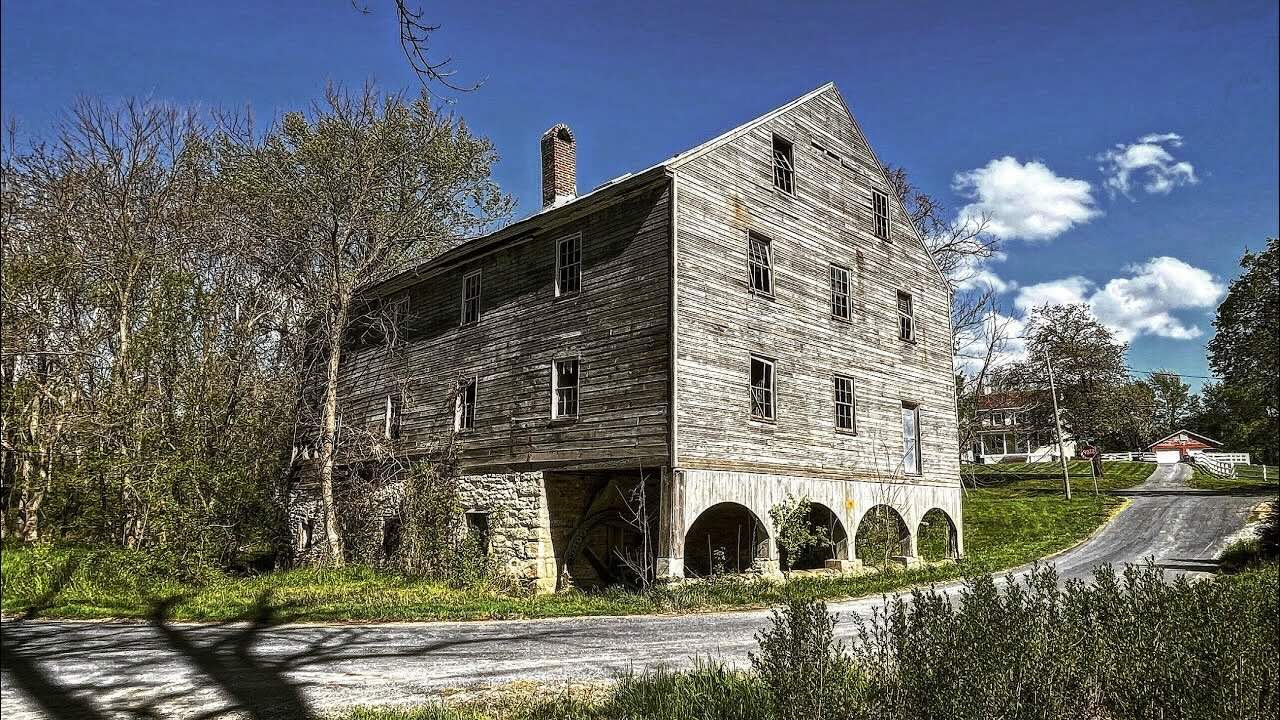
Maryland's forgotten mills showcase the state's history and natural beauty. Scattered across the countryside, they once played a crucial role in local communities and now stand as silent witnesses to a bygone era.
Discovering Maryland's Forgotten Mills
Maryland's countryside hides many historical treasures. Among them, old mills stand as silent witnesses to the past.
1. Wye Mill
Wye Mill, located in Talbot County, is one of the oldest continuously operating grist mills in the United States. It still grinds grain today using water power. Visitors can tour the mill, see the original machinery, and purchase freshly ground flour.
2. Union Mills
Union Mills, found in Carroll County, includes a grist mill, sawmill, and tannery. The Shriver family built the mill. The site offers guided tours, showcasing the mill's history and the family's legacy.
3. Jerusalem Mill Village
Jerusalem Mill Village in Harford County is a living history museum. Established in 1772, the mill and surrounding buildings have been restored to their 18th-century appearance. The village hosts reenactments, craft demonstrations, and educational programs.
4. Savage Mill
Savage Mill in Howard County now houses boutiques, art galleries, and restaurants. The mill's historic architecture provides a unique backdrop for modern-day activities.
5. Ellicott City Mills
Ellicott City, founded in 1772, was once home to several mills along the Patapsco River. Today, visitors can explore the historic district, which includes remnants of the old mills and other 18th-century buildings.
6. Rock Run Mill
Rock Run Mill, located in Susquehanna State Park, Harford County, is a stone grist mill powered by the Susquehanna River. It has been restored to its original condition. The park offers guided tours, hiking trails, and picnic areas, making it a perfect spot for a day trip.
7. Colvin Run Mill
Colvin Run Mill in Fairfax County, Virginia, is just a short drive from Maryland. This water-powered grist mill has been meticulously restored. The site offers tours, milling demonstrations, and hands-on activities for kids.
8. Antietam Iron Works
Antietam Iron Works in Washington County includes a grist mill, iron furnace, and other industrial buildings. Visitors can explore the ruins and learn about the site's history through interpretive signs and exhibits.
9. Wilson's Mill
Wilson's Mill in Frederick County is a lesser-known gem. This grist mill operated until the mid-20th century. Though the mill is no longer functional, the building remains intact, offering a glimpse into the past for those who venture off the beaten path.
10. Thomas Mill
Thomas Mill is a picturesque stone structure nestled along a creek. Though no longer operational, the mill's exterior has been preserved, making it a popular spot for photography and picnics. The surrounding area offers scenic trails and wildlife viewing opportunities.
Discover Maryland's Hidden Gems
Maryland's forgotten mills offer a unique glimpse into the past. These historic sites tell stories of industry, community, and change. Visiting these mills can be a rewarding experience for history buffs, photographers, and families alike. Each mill has its own charm, from the rustic beauty of the buildings to the serene landscapes surrounding them.
Exploring these hidden gems can also support local preservation efforts. Many of these mills are maintained by dedicated volunteers who work to keep history alive. By visiting, you contribute to their mission and help ensure these sites remain for future generations.
So next time you're planning a trip, consider adding a few of Maryland's forgotten mills to your itinerary. You'll enjoy a day of exploration and gain a deeper appreciation for the state's rich history.
Related travel guides: Secrets Hidden In Maryland.
