

Part of our Maryland guide.
23 places and guides from our Secrets Hidden coverage, gathered into one page.
Patapsco Valley Mills
Patapsco Valley Mills, Maryland, is a treasure trove of history and natural beauty. This area offers a unique glimpse into the past with old mill towns, the rush of the river, and remnants of a bygone era. Visitors can explore hiking trails and historic sites, making it ideal for a day trip or weekend adventure. The valley combines scenic landscapes with layers of industrial heritage, inviting you to step back in time while enjoying the outdoors. Whether you are a history buff or a nature lover, this spot delivers both quiet trails and stories etched into stone and timber. It is also a place where you might uncover some of the "secrets mysteries in Maryland" hidden along the riverbanks and among the ruins.
Port Tobacco
Once a bustling port, this small Maryland town now stands as a quiet reminder of colonial times. Visitors can stroll through historic sites, enjoy local eateries, and take in the serene landscapes. The village offers a unique glimpse into the past, with its rich history and scenic beauty. For those drawn to the region’s deeper lore, this area touches on the broader secrets mysteries in Maryland that linger beyond the main roads. Whether you’re exploring the remnants of its maritime past or simply savoring the calm, Port Tobacco rewards the curious. Hidden gems here include unmarked paths and storied corners that speak to its legacy. It’s a must-visit for travelers seeking a quieter, more reflective side of the state’s heritage.
Annapolis
For antique sextant repair in Annapolis, you’ll find specialists who rely on traditional methods to preserve each instrument’s historical value. Whether your piece needs minor adjustments or a complete overhaul, these experts handle the work with care. The city’s deep connection to its maritime heritage and harbors in Maryland makes it a fitting home for such craftsmen. Seek out the unmarked workshops tucked near the waterfront, where restorers often work on commission for museums and private collectors alike. Ask about their process before handing over your sextant—most will walk you through the necessary steps and give a timeline. It’s a niche trade, but in Annapolis, it’s very much alive.
Thomas Viaduct
Hidden among Maryland’s railroad corridors is the Thomas Viaduct, a historic bridge that has carried trains across the Patapsco River since the early 19th century. Spanning the water between Relay and Elkridge, it remains a working monument to early American engineering—its stone arches still in daily use. Unlike more famous bridges, this one rewards those who pause to look closely: the curve of the masonry, the way the structure follows the river’s bend, and the quiet persistence of a design that outlived its builders. For travelers interested in the state’s deeper layers, it’s a stop that connects the present to the age of steam. Walk beneath or alongside, and you’re tracing the path of one of the region’s most enduring feats of construction—no plaque needed to feel the weight of its history.
Catoctin Furnace Mines
Tucked within Catoctin Mountain Park, the Catoctin Furnace Mines hold a lesser-known chapter of Maryland’s industrial past. Here, iron production once fueled early American growth, and today, you can trace the remnants of that era along quiet trails. The stone furnace stack still stands, a weathered monument to the workers who toiled here. Wander the site, and you’ll spot old foundations and slag scattered among the trees—evidence of a busy operation that has since faded into the forest. For those drawn to western scenic adventures in Maryland, this spot offers both history and solitude. It’s a place where the landscape itself seems to whisper its former purpose, inviting you to piece together the stories hidden in the rust-colored earth.
Chesapeake Bay Sailing Ships
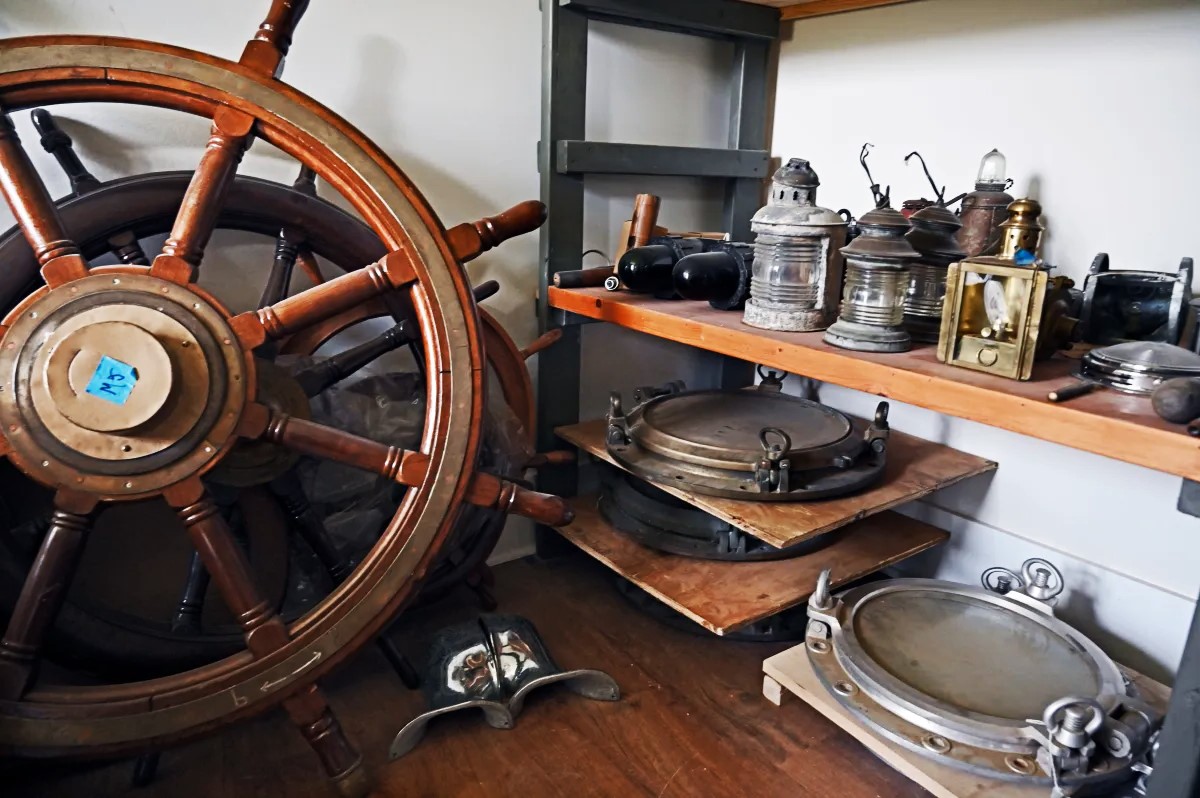
Maryland’s Chesapeake Bay sailing ships are floating pieces of history, not just boats. Gliding over calm waters, you’re surrounded by natural beauty and historic lighthouses, a genuine part of the state’s maritime heritage and harbors in Maryland. From traditional skipjacks to modern yachts, each vessel carries its own story. These working boats once hauled oysters and freight; today they offer a living connection to the bay’s past. Whether you’re aboard a restored bugeye or a sleek sloop, the experience is the same—a quiet, authentic journey across one of America’s most storied waterways. Set sail and feel the bay’s timeless rhythm for yourself.
Colonial Tobacco Inspection Stations
Maryland’s colonial tobacco inspection stations were central to the 18th-century economy. Farmers hauled their tobacco to these sites for mandatory quality checks before any sale. Only inspected leaf could reach market, which protected the colony’s reputation for high-grade product. But the stations were more than checkpoints—they operated as daily meeting grounds where farmers, traders, and inspectors mingled, negotiated, and moved goods. This system kept quality consistent and made the tobacco trade run smoothly across the region. For travelers tracing this history, the old station sites offer a tangible link to a bustling colonial past, often tied to the state’s broader maritime heritage and harbors in Maryland.
Secret Railroad Tunnels Beneath Cumberland Maryland
Beneath Cumberland, Maryland, lie hidden railroad tunnels that once formed part of the Baltimore and Ohio Railroad, one of the oldest railroads in the United States. Built during the 19th century, these passages were vital for moving goods and people through the region. Today, they remain a fascinating piece of history, sparking curiosity among locals and visitors. Walking above ground, you would never guess the hidden world beneath your feet—a quiet echo of western scenic adventures in Maryland. These tunnels are a tangible link to the past, inviting exploration and imagination. For those interested in uncovering more, they stand as a testament to the engineering feats of a bygone era, waiting to be discovered by the curious traveler.
Fort Frederick Ruins
Built in 1756, Fort Frederick’s stone walls still stand in Maryland, offering a tangible link to the French and Indian War. Unlike many forts of its era, its thick masonry design was built to withstand heavy fire, and it served as a critical stronghold against enemy forces. Today, you can wander through the remaining structure and picture the soldiers who once kept watch from these very ramparts. The site’s distinctive architecture—massive, angled stone walls—sets it apart from other colonial defenses. For those interested in military history or simply seeking a quiet spot to reflect, the ruins provide a direct connection to a turbulent past. It’s a place where the echoes of the 18th century feel close, and the stories of those who served here are waiting to be uncovered among the weathered stones. This is one of those hidden corners that rewards curious travelers.
St. Michaels Shipbuilding Yards
St. Michaels, nestled along the Chesapeake Bay, holds a rich maritime heritage. Its shipyards played a crucial role in building vessels that sailed the bay and beyond, from sleek schooners to sturdy workboats. The town was once bustling with this industry, and today visitors can stroll through and see remnants of that storied past. Museums, historic sites, and even some preserved shipyards offer a glimpse into the golden age of shipbuilding. This is just one thread in the broader tapestry of maritime heritage and harbors in Maryland, where the water has always shaped the land’s story.
Antietam Creek Mills
Walk along Antietam Creek near the Antietam Battlefield and you’ll find the weathered remnants of mills that once powered local communities. These are not just old structures—each one marks a spot where grain was ground and iron was forged, powered by the steady current. The creek’s gentle rush masks a deeper history, and the scattered stone foundations reward those who pause to look. It’s a quiet counterpoint to the battlefield’s gravity, offering a different kind of reflection on the past. For travelers seeking out the quieter side of Maryland’s history, these mills are a tangible link to the everyday lives that shaped the region. No markers or tours—just the creek, the stones, and the stories they hold.
St. Michaels' Colonial Port Chandlery Shops
St. Michaels, on Maryland’s Eastern Shore, offers a look into its seafaring past through its colonial port chandleries. Walking the cobblestone streets, you’ll find shops stocked with nautical antiques, handcrafted goods, and maritime artifacts. These chandleries once supplied ships with ropes, sails, and lanterns; today, they serve as a nostalgic reminder of the town’s heritage. This is a key stop for anyone exploring the region’s maritime heritage and harbors in Maryland. St. Michaels itself remains a charming town with a rich maritime history, its harbor and shops still echoing the days of sail.
Hidden Trading Posts At Maryland's Fort McHenry
Fort McHenry, a historic gem in Baltimore, Maryland, is famous for its role in the War of 1812. This star-shaped fort defended the city from British forces and inspired Francis Scott Key to pen "The Star-Spangled Banner." But beyond its well-known history, Fort McHenry hides lesser-known secrets like its hidden trading posts. These spots were once bustling with activity, providing essential goods to soldiers and locals. Today, visitors can wander the grounds and imagine the lively exchanges that took place, connecting to the broader historic sites in Baltimore, Maryland, while pondering the secrets mysteries in Maryland that linger here.
Ancient Highways
Maryland’s ancient highways are more than just old paths—they are the state’s original lifelines. Native American trails, colonial roads, and early turnpikes once connected communities, moving goods, news, and people across the region. Walking these routes today means retracing the steps of early settlers and traders who depended on them for survival and commerce. These roads were not merely travel routes; they were the backbone of trade and communication, linking isolated settlements and shaping the state’s growth. Many of these historic paths remain, often disguised as modern streets or quiet woodland tracks, waiting for curious explorers to uncover their stories. Whether you’re tracing a forgotten byway or following a marked heritage trail, these ancient highways offer a tangible link to Maryland’s past, and they often intersect with the state’s broader maritime heritage and harbors in Maryland, where rivers met roads to drive early commerce.
Fort Frederick
Have you ever wondered about the secrets of Fort Frederick in Maryland? This historic site, nestled in the lush landscape of the Potomac River, holds tales of the past waiting to be uncovered. Built in 1756, Fort Frederick served as a stronghold during the French and Indian War. Its massive stone walls still stand, offering a glimpse into colonial life. But beyond its walls, hidden trading posts once thrived, bustling with activity as settlers and Native Americans exchanged goods and stories. These quiet corners of commerce reveal a deeper layer of the fort’s history—one that ties into the broader western scenic adventures in Maryland. Walk the grounds today, and you can almost hear the echoes of that bygone era.
Unveil The Secrets Of Civil War Medicine At Frederick's Museum
The National Museum of Civil War Medicine in Frederick, Maryland, reveals how soldiers were treated during the 1860s. Artifacts, exhibits, and stories cover surgical tools and battlefield hospitals, showing the challenges faced by doctors and nurses. This museum offers a unique glimpse into the medical practices of the era, bringing history to life in the heart of Frederick. For those exploring the region's deeper stories, this site also connects to broader "secrets mysteries in Maryland" beyond the battlefield.
Unveil The Secrets Of Antietam's Bloody Lane
Walk the sunken road where one of the Civil War’s bloodiest clashes unfolded. Antietam’s Bloody Lane, a narrow, eroded farm lane, became a brutal chokepoint as Union troops finally broke the Confederate center. Today, the quiet fields and weathered fences give little hint of the fierce fighting that once turned the lane red. As you follow the path, interpretive signs trace the morning’s desperate charges and countercharges. The stillness invites reflection, especially in the soft light of dawn or dusk. This is a place to pause and consider the weight of history beneath your feet. The peaceful landscape, now maintained by the National Park Service, stands as a solemn memorial to the thousands who fell here.
Forgotten Villages
Tucked away from bustling cities, Maryland’s forgotten villages offer a quiet step back in time. These overlooked communities preserve early settler stories, unique architecture, and enduring traditions. Walking through, you’ll find life at a slower pace—quaint houses, old mills, and charm that lingers in every corner. Each village holds its own piece of history, waiting for curious travelers. Exploring these hidden gems not only deepens your understanding of the past but also supports local communities that keep these places alive. Whether you’re drawn by heritage or simple curiosity, these villages reward those who wander off the main roads. They’re part of the broader “secrets mysteries in Maryland” that reward patient discovery.
Fort Hill
Fort Hill holds more than just scenic paths—it guards the memory of Maryland’s hidden trading posts. Long ago, traders and settlers gathered here, exchanging goods and stories, and the landscape still shows remnants of old structures with tales to tell. Walking through, you can almost hear the bartering and laughter that once filled the air. Every corner seems to hold a secret, inviting you to step back in time and uncover the layers of this historic spot. For those drawn to the state’s deeper backstory, Fort Hill offers a quiet glimpse into the region’s bustling early days, where each weathered stone and worn trail hints at the lives once lived here. It’s a place that rewards curiosity with echoes of the past.
Hidden Trading Posts At Maryland's Point Lookout
Point Lookout, Maryland, is a treasure trove of history and natural beauty, but its role as a hidden trading post along the Chesapeake Bay often goes unnoticed. Beyond its Civil War fame, this spot was once a bustling hub where tobacco, furs, and spices changed hands. Visitors walking the quiet paths today can almost hear the echoes of those vibrant exchanges between traders and merchants. The area’s maritime heritage and harbors in Maryland add depth to its story, while the surrounding landscape holds secrets mysteries in Maryland waiting to be explored. Step back from the battlefield narrative and discover a different side of Point Lookout—one shaped by commerce, coastal life, and the rhythms of the bay. It’s a layer of history that rewards those who linger.
Soldiers Delight Trading Posts
Soldiers Delight Trading Posts offer a rare window into Maryland’s past. Tucked in the heart of the state, these sites were once lively meeting grounds where traders, settlers, and Native Americans exchanged goods, stories, and customs. Today, visitors can walk the same ground and almost hear the murmur of old deals and the clink of trade items. It’s a quiet, tangible link to a bustling era—no flashy recreations, just the landscape and its echoes. For those exploring Maryland’s hidden corners, this spot pairs history with the surrounding natural setting, making it a worthwhile stop for curious travelers and local history buffs alike.
Antietam
Have you ever thought about the stories that lie beneath the soil of Antietam? This historic site in Maryland holds secrets from the past, where one of the bloodiest battles of the Civil War took place. Walking through these fields, you can almost hear the echoes of soldiers who fought bravely. Antietam isn't just about history; it's a place where you can feel the weight of what happened here. Imagine standing where history was made, surrounded by the beauty of Maryland's landscape. For those drawn to such hallowed ground, it ranks among the most compelling historic sites in Baltimore, Maryland, and beyond. The quiet fields also hold a deeper pull for anyone who seeks out the secrets mysteries in Maryland, where the past lingers in the air. Here, the land itself tells a story of sacrifice and memory, inviting you to pause and reflect on the lives once lost on this soil.
Baltimore
Wondering where to find antique astrolabes in Baltimore? These ancient navigation tools, once essential for sailors and astronomers, now captivate collectors and history buffs. Baltimore, with its rich maritime history, houses hidden gems where you can see these fascinating instruments up close. From small, tucked-away shops to specialized museums, the city offers a unique glimpse into the past. Ready to dive into Baltimore's antique scene? Let's uncover the best spots to find these historical treasures. Discovering Baltimore's Hidden Antique Astrolabe Workshops Baltimore, a city known for its rich history and vibrant culture, hides a fascinating secret: antique astrolabe workshops. These workshops, often unmarked and passed down through generations, continue the craft of restoring and selling these celestial instruments, blending old-world skill with the city's deep-rooted maritime heritage and harbors in Maryland.
More about Secrets Hidden
- Secrets Of Bald Eagle Nesting At Conowingo Dam
- What's The Secret Behind Baltimore's Nickname?
- Mystery Of Maryland's Hidden Mines
- Hidden Wild Pawpaw Patches In Maryland
- Secrets Of Maryland's Colonial Taverns On The National Road
- 10 Hidden Towns In Maryland You Need To See
- Baltimore's Secret Taverns Of Fell's Point
- Hidden Military Tech Museums At Maryland's Aberdeen Proving Ground
- Mystery Of Maryland's Sassafras Forests
- Secrets Of Maryland's Forgotten Mill
- Hidden Tobacco Barns Of Maryland's Southern Counties
- Hidden Wild Bluebell Woods Of Maryland
- Secrets Of Maryland's National Pike
- Mystery And History At Edgar Allan Poe's Grave
- Mysteries Inside Maryland's Patapsco
