

Secrets Of Bird Population Study Sites In Maryland’s Chesapeake Bay Program
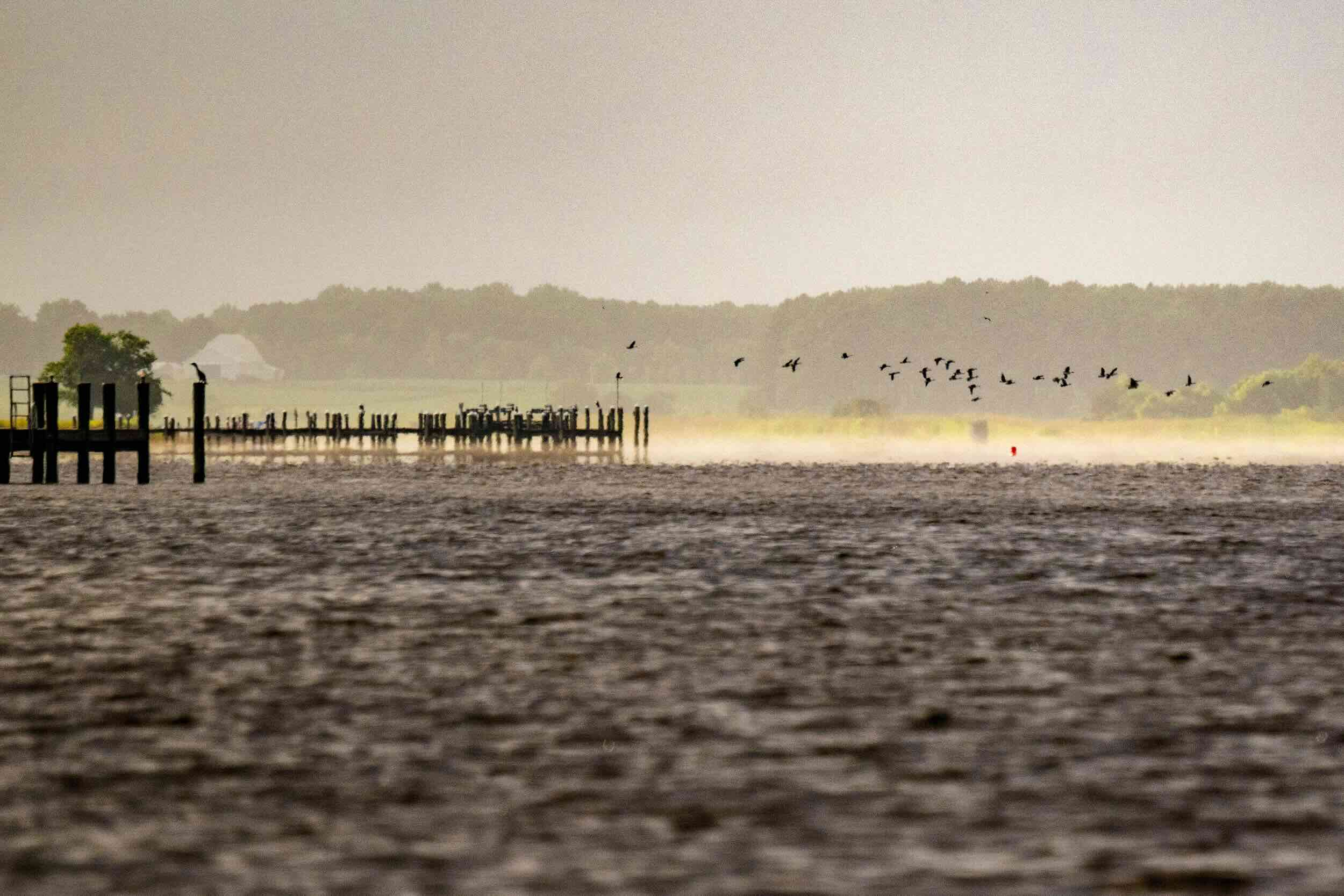
Have you ever wondered how scientists keep track of bird populations in Maryland's Chesapeake Bay? The Chesapeake Bay Program has several study sites dedicated to monitoring these feathered friends. These sites help researchers understand bird behavior, migration patterns, and population changes. By visiting these locations, you can witness firsthand the incredible diversity of bird species in the area. Whether you're a seasoned birdwatcher or just curious about nature, these study sites offer a unique glimpse into the world of avian research. Get ready to learn about the fascinating methods used to study and protect our winged neighbors.
Secrets of Bird Population Study Sites in Maryland's Chesapeake Bay Program
Maryland's Chesapeake Bay is a haven for bird enthusiasts and researchers alike. The region's diverse habitats provide a perfect backdrop for studying bird populations. Let's explore some of the top sites where these studies take place.
Prime Bird Study Locations
The Chesapeake Bay area boasts numerous spots ideal for observing and studying bird populations. Here are some of the best places to witness these feathered wonders.
Blackwater National Wildlife Refuge
- Located on Maryland's Eastern Shore, this refuge is a sanctuary for migratory birds. Researchers flock here to study species like the bald eagle and the endangered Delmarva fox squirrel.
Assateague Island National Seashore
- Famous for its wild horses, Assateague Island is also a birdwatcher's paradise. The island's diverse ecosystems support a variety of bird species, making it a prime location for avian studies.
Jug Bay Wetlands Sanctuary
- Situated along the Patuxent River, Jug Bay offers a rich environment for bird research. The sanctuary's tidal freshwater wetlands attract numerous bird species, providing ample opportunities for observation and study.
Patuxent Research Refuge
- This refuge is dedicated to wildlife research and conservation. It serves as a critical site for studying bird populations, particularly waterfowl and songbirds.
Eastern Neck National Wildlife Refuge
- Located at the confluence of the Chester River and Chesapeake Bay, this refuge is a hotspot for birdwatching. Researchers study a variety of species here, including the tundra swan and osprey.
Unique Habitats for Bird Studies
Different habitats within the Chesapeake Bay region offer unique opportunities for bird population studies. Each site provides a distinct environment that supports various bird species.
Chesapeake Bay Environmental Center
- This center features diverse habitats, including wetlands, forests, and meadows. It serves as an excellent location for studying a wide range of bird species in their natural environments.
Sandy Point State Park
- Located near the Chesapeake Bay Bridge, this park offers a mix of sandy beaches, woodlands, and marshes. Bird researchers find it an ideal spot for studying shorebirds and migratory species.
Hart-Miller Island
- Accessible only by boat, this island provides a secluded environment for bird studies. Its unique location in the Chesapeake Bay makes it a prime spot for observing seabirds and other coastal species.
Seasonal Bird Study Sites
Certain locations in the Chesapeake Bay area are particularly noteworthy for seasonal bird studies. These sites attract specific bird species during different times of the year.
Susquehanna State Park
- This park is a key site for studying migratory birds during the spring and fall. Its location along the Susquehanna River makes it a crucial stopover for many species.
Point Lookout State Park
- Situated at the southern tip of Maryland, this park is a strategic point for observing migratory birds. Researchers often study raptors and other species that pass through during migration seasons.
Elk Neck State Park
- Located at the head of the Chesapeake Bay, this park offers diverse habitats for bird studies. It is particularly known for its role in monitoring migratory patterns and breeding behaviors.
Research and Conservation Efforts
The Chesapeake Bay Program supports various research and conservation initiatives to protect bird populations. These efforts are crucial for maintaining the region's biodiversity.
Chesapeake Bay Foundation
- This organization plays a significant role in bird conservation. It conducts research and implements programs aimed at preserving bird habitats and populations in the Chesapeake Bay area.
Maryland Ornithological Society
- This society promotes the study and conservation of birds in Maryland. It organizes bird counts, research projects, and educational programs to support bird conservation efforts.
Smithsonian Environmental Research Center
- Located along the Rhode River, this center conducts extensive research on bird populations and their habitats. It contributes valuable data to the Chesapeake Bay Program's conservation initiatives.
Why Maryland's Bird Study Sites Matter
Maryland's bird study sites in the Chesapeake Bay Program are crucial for understanding bird populations. These areas provide valuable data on bird species, migration patterns, and habitat health. This information helps conservationists make informed decisions to protect these birds and their environments.
Birdwatchers and nature enthusiasts can also enjoy these sites. They offer a chance to see a variety of bird species in their natural habitats. Visiting these locations supports local conservation efforts and raises awareness about the importance of preserving bird populations.
In short, Maryland's bird study sites are vital for both scientific research and public enjoyment. They play a key role in protecting bird species and their habitats, ensuring that future generations can continue to appreciate the beauty and diversity of birdlife in the Chesapeake Bay area.
