

Secrets Of Maine’s Rangeley Lakes Logging Camps
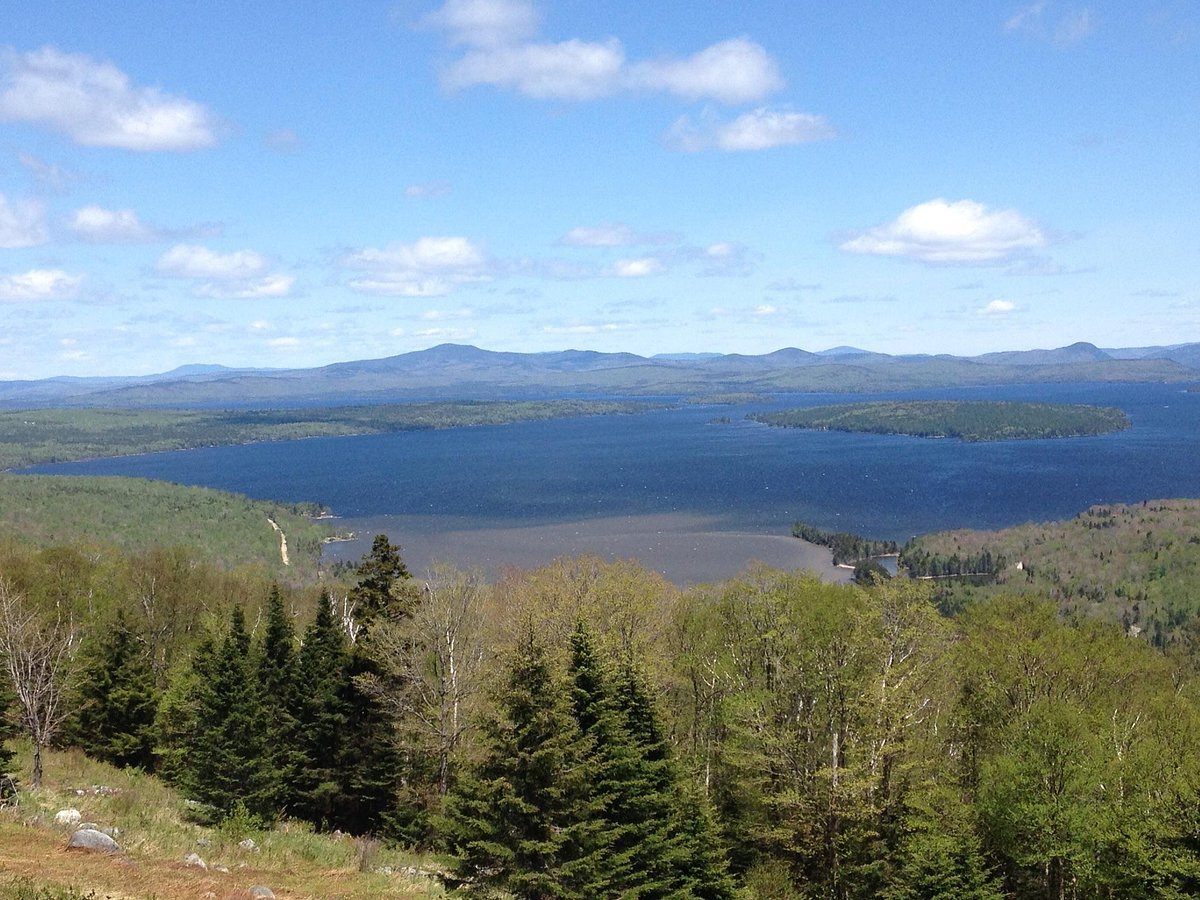
Have you ever wondered what life was like in Maine's Rangeley Lakes Logging Camps? These camps hold a rich history, filled with stories of hardworking loggers, rustic cabins, and the natural beauty of the surrounding lakes and forests. Imagine waking up to the sound of birds chirping, the smell of pine trees, and the sight of mist rising off the water. These camps were not just places of work but also communities where people shared meals, stories, and laughter. Whether you're a history buff or just curious about a simpler way of life, the Rangeley Lakes Logging Camps offer a fascinating glimpse into the past.
Secrets of Maine's Rangeley Lakes Logging Camps
Maine's Rangeley Lakes region is a treasure trove of history, especially when it comes to the logging industry. The logging camps here hold secrets and stories that paint a vivid picture of life in the woods. Let's dive into some of these fascinating places.
1. Rangeley Lakes Logging Museum
The Rangeley Lakes Logging Museum is a must-visit for anyone interested in the history of logging. This museum offers a glimpse into the lives of the loggers who worked tirelessly in the forests.
- Exhibits: The museum features a variety of exhibits, including old logging tools, photographs, and personal items from the loggers.
- Events: Throughout the year, the museum hosts events like the Logging Festival, where you can see demonstrations of traditional logging techniques.
2. Smalls Falls
Smalls Falls is not just a beautiful waterfall; it's also a historic logging site. The falls were once used by loggers to transport logs down the river.
- Scenic Beauty: The area is stunning, with cascading waterfalls and lush greenery.
- Historical Significance: Interpretive signs around the site explain how the falls were used in the logging process.
3. Rangeley Lake State Park
Rangeley Lake State Park offers more than just outdoor recreation. It also has a rich logging history that visitors can explore.
- Camping: The park has several campsites that were once used by loggers.
- Trails: Hiking trails in the park lead to old logging roads and sites where you can still see remnants of the logging industry.
4. Oquossoc Log Church
The Oquossoc Log Church is a unique piece of logging history. Built by loggers in the early 1900s, this church stands as a testament to their craftsmanship.
- Architecture: The church is made entirely of logs, showcasing the skills of the loggers who built it.
- Community: It served as a gathering place for loggers and their families, making it an important part of the local history.
5. Cupsuptic Lake Park and Campground
Cupsuptic Lake Park and Campground is another site with deep logging roots. This area was once a bustling logging camp.
- Camping: Modern campsites now occupy the area, but you can still find traces of the old logging camp.
- Fishing: The lake was used by loggers for transporting logs, and today it's a popular spot for fishing.
6. Height of Land
Height of Land offers breathtaking views and a peek into the logging past. This scenic overlook was once a strategic point for loggers.
- Views: The panoramic views of the Rangeley Lakes are spectacular.
- History: Interpretive signs explain the area's logging history and its importance to the industry.
7. Kennebago River
The Kennebago River played a crucial role in the logging industry. Loggers used the river to float logs downstream to mills.
- Fishing: Today, the river is famous for its excellent fishing opportunities.
- Canoeing: Paddling down the river gives you a sense of what it was like for loggers navigating these waters.
8. South Arm Campground
South Arm Campground is another site with a rich logging history. This area was once a major logging camp.
- Camping: The campground offers a rustic experience, reminiscent of the old logging days.
- Hiking: Trails around the campground lead to old logging sites and beautiful natural scenery.
9. Aziscohos Lake
Aziscohos Lake is a hidden gem with a logging past. The lake was used by loggers to transport logs to mills downstream.
- Boating: The lake is perfect for boating, offering a peaceful experience on the water.
- Wildlife: The area is rich in wildlife, making it a great spot for nature enthusiasts.
10. Rangeley Outdoor Sporting Heritage Museum
The Rangeley Outdoor Sporting Heritage Museum is another fantastic place to learn about the logging history of the region.
- Exhibits: The museum features exhibits on logging, fishing, and hunting in the Rangeley Lakes area.
- Programs: Educational programs and events provide deeper insights into the logging industry and its impact on the region.
Maine's Logging Camps: A Glimpse into History
Maine's Rangeley Lakes logging camps offer a unique peek into the past. These camps, rich in history, show the hard work and resilience of loggers. Visiting these sites, you can almost hear the echoes of axes and see the logs floating down the rivers. The camps are not just about logging; they tell stories of community, survival, and the human spirit. Exploring these camps, you gain a deeper appreciation for the region's heritage. Whether you're a history buff or just curious, the logging camps provide a fascinating experience. They remind us of a time when life was tough, yet simple. So, next time you're in Maine, take a trip to the Rangeley Lakes logging camps. You'll leave with a newfound respect for the loggers and the history they helped shape.
