

Secrets Of Maine’s Prehistoric Fishing Weirs
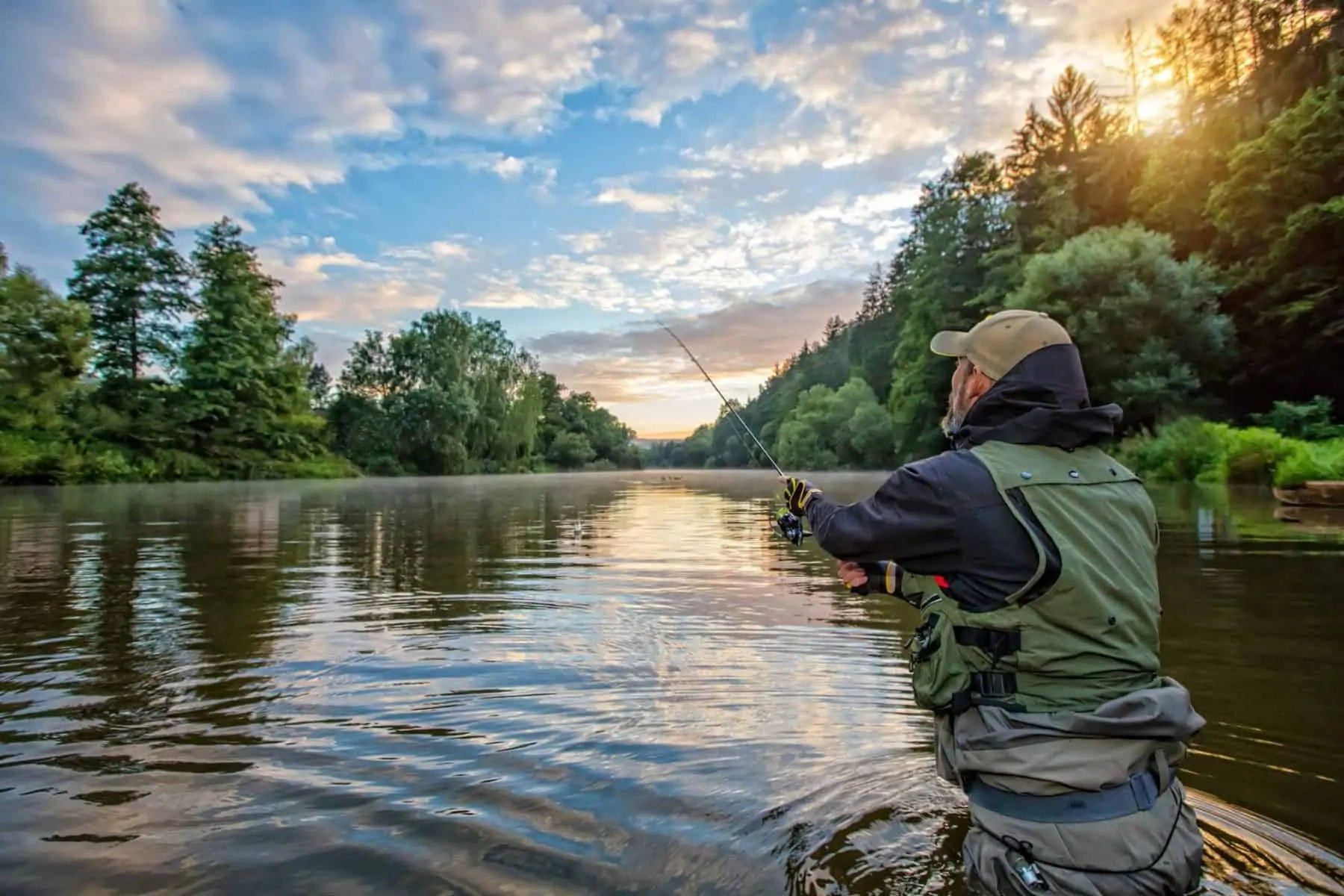
Have you ever wondered about the ancient fishing techniques used by early inhabitants of Maine? Maine's prehistoric fishing weirs offer a fascinating glimpse into the past. These ancient structures, built from wooden stakes and stones, were ingeniously designed to trap fish during their seasonal migrations. Imagine the skill and knowledge required to construct these weirs without modern tools. They reveal not only the resourcefulness of early communities but also their deep understanding of local ecosystems. By studying these ancient fishing methods, we can appreciate the ingenuity and adaptability of those who lived thousands of years ago. Let's dive into the secrets of these remarkable structures.
Secrets of Maine's Prehistoric Fishing Weirs
Maine's coastline hides ancient secrets beneath its waters. Prehistoric fishing weirs, used by Native Americans thousands of years ago, offer a glimpse into early fishing techniques. These structures, made from wooden stakes and stones, trapped fish as tides receded. Let's dive into some of the most fascinating prehistoric fishing weirs in Maine.
1. Blue Hill Bay
Blue Hill Bay, located in Hancock County, is home to one of the most well-preserved prehistoric fishing weirs. Archaeologists have uncovered wooden stakes dating back over 5,000 years. These stakes, driven into the bay's muddy bottom, formed intricate patterns designed to funnel fish into traps.
2. Machias Bay
Machias Bay, known for its rich maritime history, also boasts ancient fishing weirs. Here, researchers found stone weirs that reveal the ingenuity of early inhabitants. These stone structures, visible during low tide, showcase the strategic placement of rocks to guide fish into enclosures.
3. Merrymeeting Bay
Merrymeeting Bay, where six rivers converge, holds significant archaeological importance. The bay's unique tidal patterns made it an ideal location for prehistoric fishing. Wooden stakes and stone alignments discovered here indicate a complex network of weirs used to capture fish efficiently.
4. Penobscot River
The Penobscot River, flowing through central Maine, has yielded numerous prehistoric fishing sites. Along its banks, archaeologists have found remnants of wooden weirs, some dating back over 3,000 years. These weirs highlight the river's role as a vital resource for early communities.
5. Damariscotta River
The Damariscotta River, famous for its oyster shell middens, also features ancient fishing weirs. Wooden stakes and stone alignments discovered along the riverbanks suggest a sophisticated system for trapping fish. These weirs provide insight into the resourcefulness of early inhabitants.
6. Passamaquoddy Bay
Passamaquoddy Bay, straddling the U.S.-Canada border, contains several prehistoric fishing sites. Wooden stakes and stone weirs found here demonstrate the bay's importance as a fishing ground. The strategic placement of these structures highlights the knowledge and skill of early fishers.
7. Kennebec River
The Kennebec River, flowing through central Maine, has revealed numerous prehistoric fishing weirs. Wooden stakes and stone alignments discovered along the riverbanks indicate a long history of fishing activity. These weirs offer a glimpse into the daily lives of early inhabitants.
8. Casco Bay
Casco Bay, with its numerous islands and inlets, is another hotspot for prehistoric fishing weirs. Archaeologists have found wooden stakes and stone structures that suggest a complex network of fish traps. These weirs highlight the bay's significance as a fishing hub for ancient communities.
9. Frenchman Bay
Frenchman Bay, located near Acadia National Park, contains several prehistoric fishing sites. Wooden stakes and stone weirs discovered here reveal the bay's role as a vital fishing ground. These structures showcase the ingenuity and resourcefulness of early fishers.
10. Sheepscot River
The Sheepscot River, flowing through mid-coast Maine, has yielded numerous prehistoric fishing weirs. Wooden stakes and stone alignments found along the riverbanks indicate a long history of fishing activity. These weirs provide valuable insights into the lives of early inhabitants.
Maine's Ancient Fishing Weirs: A Glimpse into the Past
Maine's prehistoric fishing weirs offer a unique window into ancient life. These structures, built by early inhabitants, show advanced knowledge of local ecosystems and fishing techniques. They weren't just about catching fish; they were vital for survival, community, and culture. Visiting these sites today, you can almost feel the history beneath your feet. The weirs remind us of the ingenuity and resilience of those who lived here long before us. Exploring these ancient marvels, you gain a deeper appreciation for Maine's rich heritage. So next time you're in Maine, take a moment to visit these historical treasures. You'll walk away with a newfound respect for the people who once thrived in this beautiful region.
