Secrets Of Maine’s Moosehead Lake Logging Camps
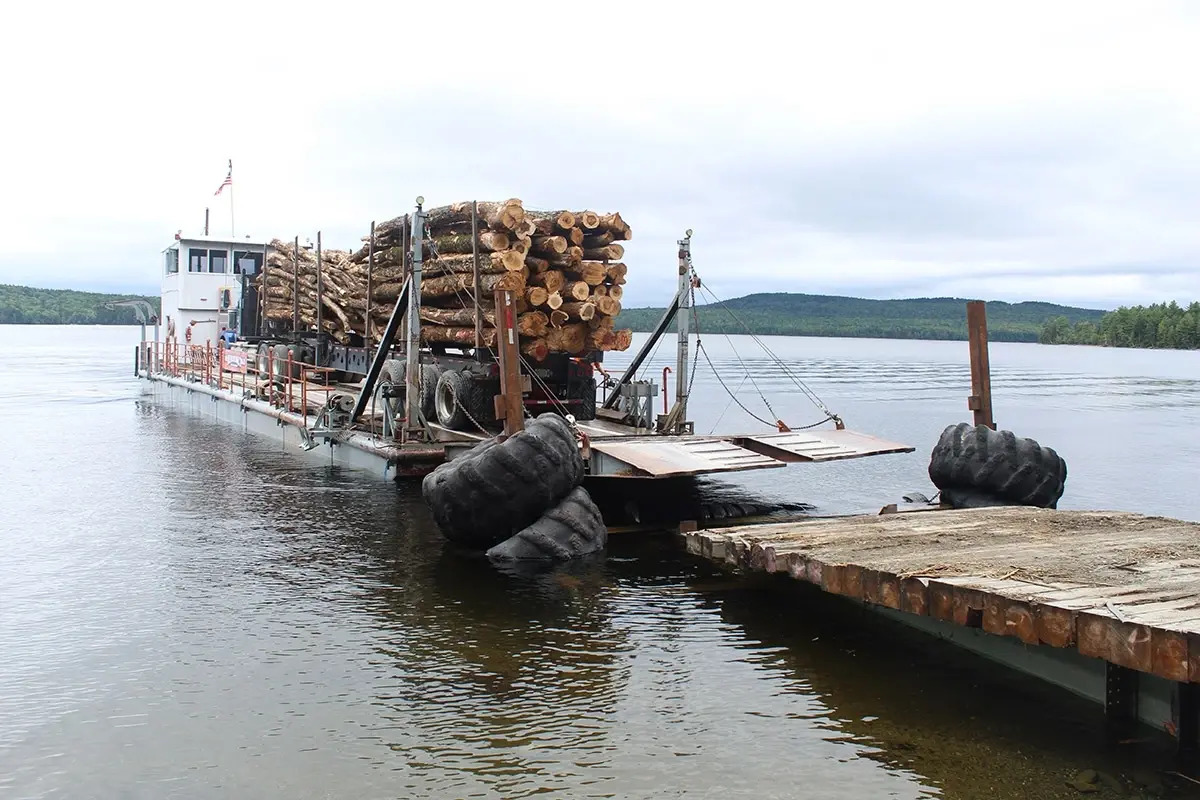
Have you ever wondered what life was like in Maine's Moosehead Lake logging camps? Imagine waking up to the sound of axes and saws, the smell of fresh pine, and the sight of towering trees all around. These camps were bustling hubs of activity where loggers worked tirelessly to harvest timber. They lived in simple cabins, ate hearty meals, and faced the challenges of the wilderness daily. The history of these camps offers a glimpse into a rugged way of life that shaped the region. Let's dive into the fascinating world of Moosehead Lake's logging camps and uncover their secrets.
Secrets of Maine's Moosehead Lake Logging Camps
Maine's Moosehead Lake region holds a rich history of logging camps that once thrived in the dense forests. These camps were the backbone of the logging industry, providing shelter and sustenance to the hardworking loggers. Today, remnants of these camps offer a glimpse into the past, showcasing the rugged lifestyle and the natural beauty of the area.
1. Kineo Logging Camp
Kineo Logging Camp, located near the base of Mount Kineo, was one of the most significant camps in the region. Loggers here worked tirelessly, cutting down massive trees and transporting them to the lake. The camp's remains include old bunkhouses and tools, giving visitors a sense of the hard work and camaraderie that defined the logging community.
2. Lily Bay Logging Camp
Nestled along the shores of Lily Bay, this camp was a bustling hub during the logging season. The camp's strategic location allowed for easy access to the water, making it ideal for transporting logs. Visitors can still find remnants of the old docks and cabins, offering a peek into the daily lives of the loggers who called this place home.
3. Spencer Bay Logging Camp
Spencer Bay Logging Camp, situated on the eastern side of Moosehead Lake, played a crucial role in the logging industry. The camp's location provided loggers with access to vast tracts of forest, making it a prime spot for timber harvesting. Today, the area is a popular destination for hikers and history enthusiasts, who can explore the old camp structures and imagine the bustling activity that once took place.
4. Rockwood Logging Camp
Rockwood Logging Camp, located near the town of Rockwood, was known for its innovative logging techniques. The camp's loggers used a combination of traditional methods and new technologies to maximize their efficiency. Visitors to the site can see the remains of the old machinery and learn about the advancements that helped shape the logging industry.
5. Seboomook Logging Camp
Seboomook Logging Camp, found in the northwestern part of Moosehead Lake, was a remote but vital part of the logging network. The camp's isolation meant that loggers had to be self-sufficient, relying on their skills and resourcefulness to survive. Today, the camp's ruins offer a fascinating look at the challenges and triumphs of life in the logging camps.
6. Northeast Carry Logging Camp
Northeast Carry Logging Camp, located at the northern tip of Moosehead Lake, was a key transit point for logs being transported to mills downstream. The camp's strategic position made it a bustling hub of activity, with loggers working around the clock to keep the logs moving. Visitors can explore the old campgrounds and imagine the hustle and bustle that once defined this important site.
7. Chesuncook Logging Camp
Chesuncook Logging Camp, situated near the Chesuncook Lake, was one of the largest and most well-organized camps in the region. The camp's size and efficiency made it a model for other logging operations. Today, the camp's remains include well-preserved bunkhouses and storage buildings, offering a unique glimpse into the past.
8. Lobster Lake Logging Camp
Lobster Lake Logging Camp, located near the picturesque Lobster Lake, was known for its scenic beauty and challenging terrain. Loggers here had to navigate steep hills and dense forests, making their work particularly demanding. The camp's ruins, including old cabins and equipment, provide a window into the rugged life of the loggers who worked in this stunning but challenging environment.
9. Baker Brook Logging Camp
Baker Brook Logging Camp, found along the banks of Baker Brook, was a smaller but essential part of the logging network. The camp's location allowed for easy access to the brook, which was used to transport logs downstream. Visitors can explore the remnants of the camp and learn about the innovative methods used by loggers to move their timber efficiently.
10. Big Duck Cove Logging Camp
Big Duck Cove Logging Camp, situated on the western shore of Moosehead Lake, was known for its strategic location and efficient operations. The camp's loggers used a combination of water and land routes to transport their timber, making it a key player in the logging industry. Today, the camp's remains offer a fascinating look at the ingenuity and hard work that defined the logging era.
Discovering Moosehead Lake's Logging Camps
Moosehead Lake's logging camps offer a unique glimpse into Maine's rich history. Exploring these camps, you can see how loggers lived and worked in the rugged wilderness. The preserved cabins, tools, and stories bring the past to life, making it easy to imagine the daily challenges and triumphs of the loggers.
Visiting these camps is not just about history; it's also about connecting with nature. The stunning landscapes around Moosehead Lake provide a perfect backdrop for hiking, fishing, and wildlife watching. Whether you're a history buff or an outdoor enthusiast, the logging camps offer something special.
Plan a trip to Moosehead Lake and step back in time. Experience the hard work and resilience of the loggers while enjoying the natural beauty of Maine. It's an adventure you won't forget.