

Secrets Of Maine’s Hubbard Brook Hydrology
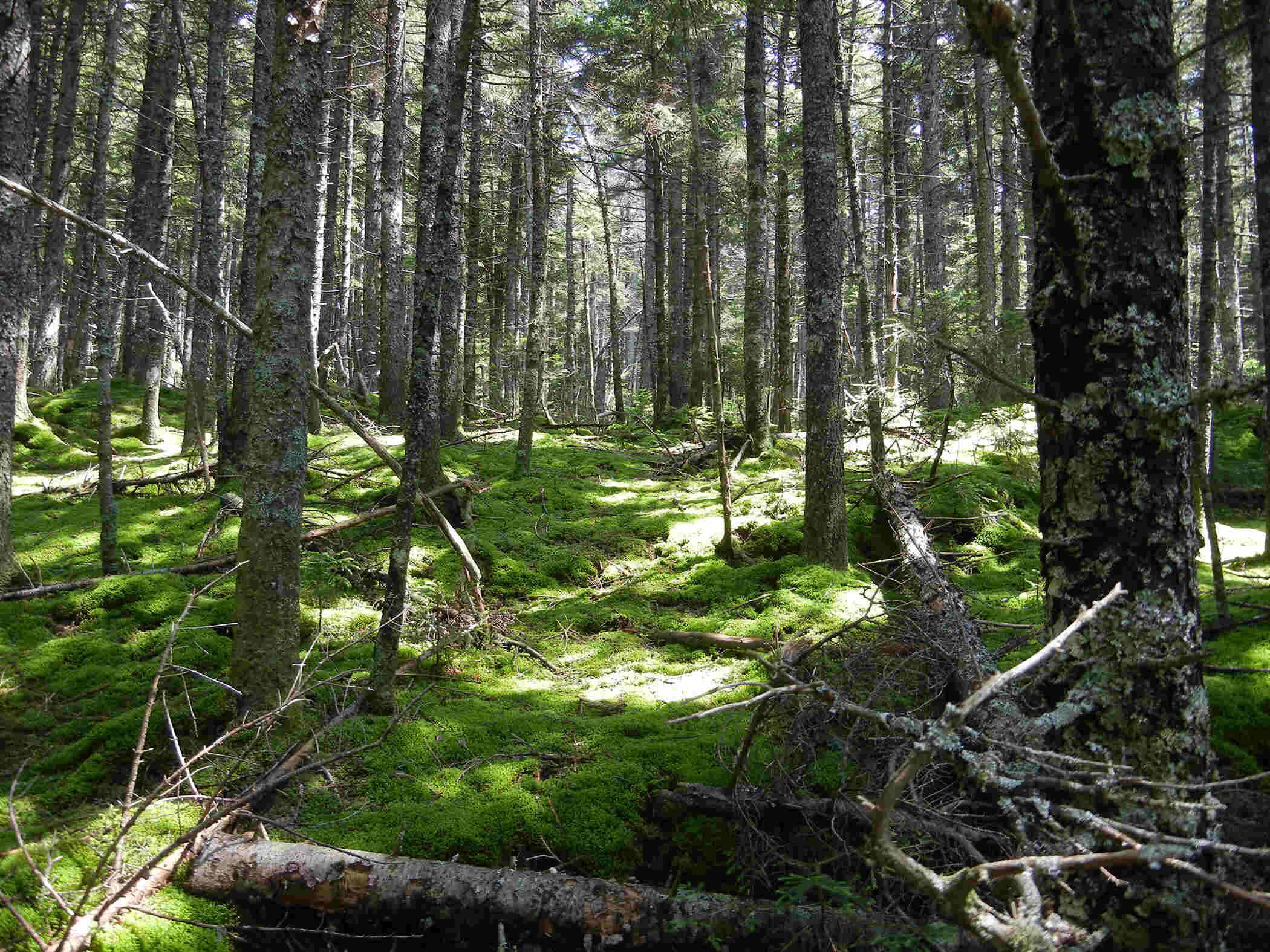
Have you ever wondered what makes Maine's Hubbard Brook so special? This beautiful spot is not just a pretty place; it’s a hub for hydrology research. Scientists flock here to study water cycles, forest ecosystems, and climate change. The Hubbard Brook area offers a unique chance to see how water moves through forests, streams, and lakes. This research helps us understand how our actions impact the environment. Whether you're a nature lover or a science enthusiast, learning about Hubbard Brook can be both fun and educational. Ready to dive into the secrets of this amazing place? Let's get started!
Secrets of Maine's Hubbard Brook Hydrology
Maine's Hubbard Brook is a hidden gem for nature enthusiasts and hydrology buffs. This pristine area offers a unique glimpse into the natural water systems that sustain the region's lush landscapes. Let's dive into some of the secrets that make Hubbard Brook a fascinating destination.
The Source of Hubbard Brook
Understanding where Hubbard Brook begins is crucial to appreciating its hydrology. The source of this brook lies in the White Mountains, where snowmelt and rainfall feed into its headwaters.
- White Mountains: The White Mountains are the birthplace of Hubbard Brook. Snowmelt and rainfall from these peaks flow into the brook, providing a steady supply of fresh water.
Unique Ecosystems Along Hubbard Brook
Hubbard Brook supports a variety of ecosystems, each with its own unique characteristics. These ecosystems play a vital role in maintaining the brook's health and biodiversity.
Riparian Zones: These areas along the brook's banks are rich in plant and animal life. They act as natural filters, trapping sediments and pollutants before they enter the water.
Wetlands: Wetlands near Hubbard Brook are crucial for water purification and flood control. They provide habitat for many species and help maintain the brook's water quality.
The Role of Forests in Hubbard Brook's Hydrology
Forests surrounding Hubbard Brook are more than just scenic backdrops. They play a significant role in the brook's hydrology by influencing water flow and quality.
Deciduous Forests: These forests shed their leaves annually, contributing organic matter to the soil. This organic matter helps retain moisture and supports a diverse range of plant and animal life.
Coniferous Forests: Evergreen trees in these forests provide year-round cover, reducing soil erosion and maintaining stable water temperatures in the brook.
Human Impact on Hubbard Brook
Human activities have both positive and negative impacts on Hubbard Brook. Understanding these impacts is essential for preserving this natural wonder.
Conservation Efforts: Local conservation groups work tirelessly to protect Hubbard Brook. Their efforts include habitat restoration, pollution control, and public education.
Recreational Activities: While activities like hiking and fishing are popular, they must be managed carefully to prevent damage to the brook's delicate ecosystems.
Research and Monitoring at Hubbard Brook
Ongoing research and monitoring efforts are key to understanding and preserving Hubbard Brook's hydrology. Scientists study various aspects of the brook to gain insights into its health and function.
Long-Term Ecological Research (LTER): This program involves extensive data collection and analysis to monitor changes in Hubbard Brook's ecosystems over time.
Water Quality Monitoring: Regular testing of the brook's water helps identify potential pollutants and assess the effectiveness of conservation measures.
The Future of Hubbard Brook
The future of Hubbard Brook depends on continued efforts to protect and study this vital waterway. By understanding its secrets, we can ensure that it remains a thriving natural resource for generations to come.
Community Involvement: Local communities play a crucial role in preserving Hubbard Brook. Volunteer programs and educational initiatives help raise awareness and foster a sense of stewardship.
Sustainable Practices: Adopting sustainable land use and water management practices can help mitigate human impact and support the brook's long-term health.
Embracing Hubbard Brook's Wonders
Hubbard Brook in Maine offers a unique glimpse into nature's intricate water systems. Its hydrology reveals how water shapes the landscape, supports diverse ecosystems, and affects our daily lives. Visiting this area, you can witness firsthand the delicate balance maintained by these natural processes.
Exploring Hubbard Brook, you'll gain a deeper appreciation for the environment. The knowledge gained here can inspire more sustainable practices in our communities. Whether you're a nature enthusiast, a student, or just curious, Hubbard Brook provides valuable insights.
Take the time to visit, learn, and reflect on the importance of preserving such natural treasures. Hubbard Brook isn't just a place; it's a reminder of the vital role water plays in our world. Embrace its wonders and let them inspire you to protect and cherish our planet.
