

Secrets Of Maine’s Coastal Research Network
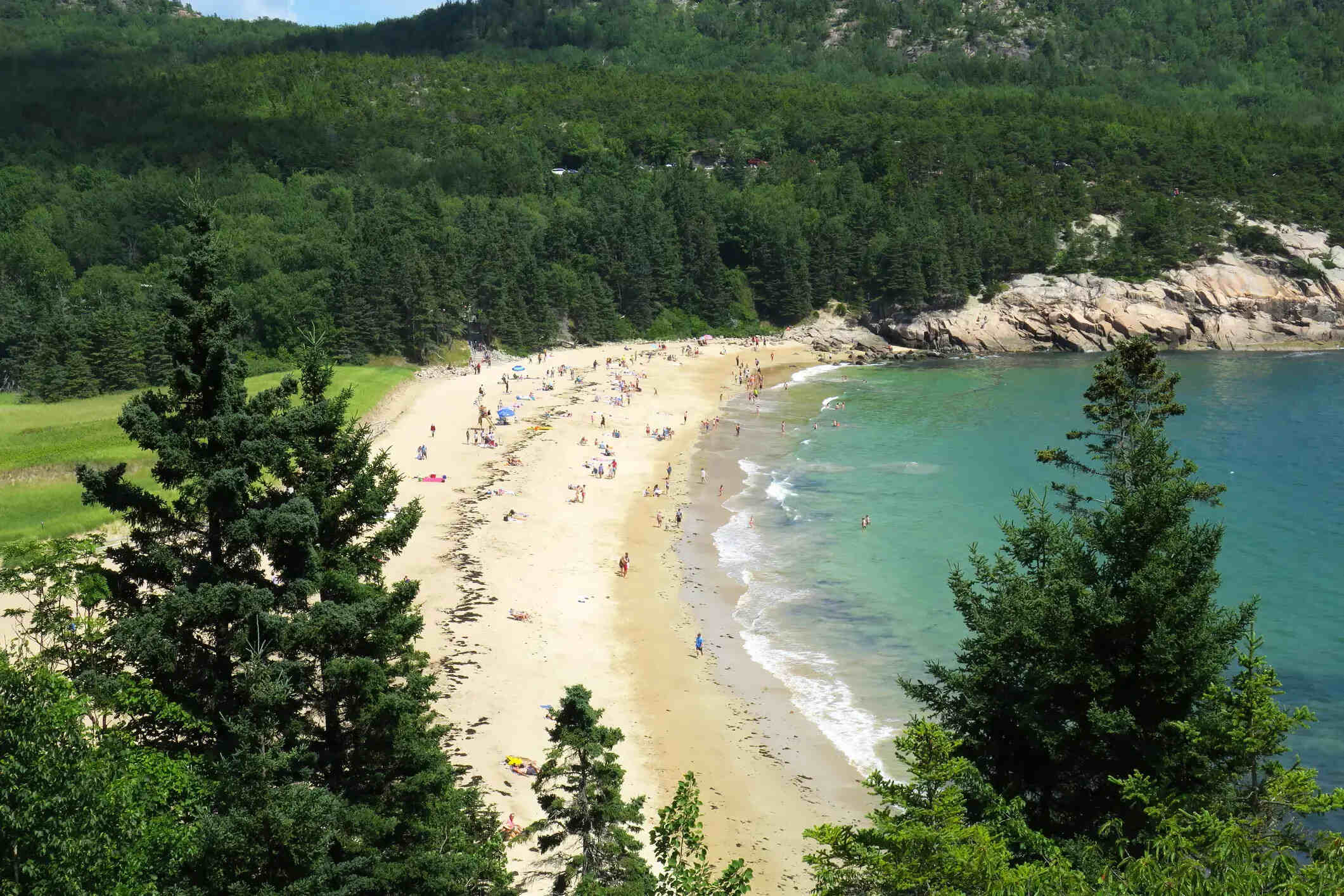
Have you ever wondered what makes Maine's coastline so unique? The Maine Coastal Research Network holds the answers. This network brings together scientists, researchers, and local communities to study and protect the state's stunning coastal areas. From rocky shores to sandy beaches, Maine's coast offers a rich tapestry of marine life and ecosystems. The network's work helps ensure these natural treasures remain vibrant for future generations. Whether you're a curious traveler or a budding marine biologist, learning about this network will give you a deeper appreciation for Maine's coastal wonders. Dive in to learn more about their fascinating efforts.
Discovering Maine's Coastal Research Network
Maine's coastline is a treasure trove of natural beauty and scientific discovery. The Coastal Research Network is dedicated to studying and preserving this unique environment. Let's dive into some of the key places that make this network so special.
Key Research Locations
1. Mount Desert Island Biological Laboratory
Mount Desert Island Biological Laboratory is a hub for marine research. Scientists here study marine life to understand human health better. The lab's work on regenerative medicine is groundbreaking.
2. Gulf of Maine Research Institute
Located in Portland, the Gulf of Maine Research Institute focuses on oceanography and marine biology. Their work helps manage fisheries and protect marine ecosystems. The institute also offers educational programs for students.
3. Bigelow Laboratory for Ocean Sciences
Bigelow Laboratory in East Boothbay is a leader in oceanographic research. Scientists study everything from microscopic plankton to global climate change. Their research helps predict and mitigate environmental impacts.
4. Darling Marine Center
The Darling Marine Center, part of the University of Maine, is located in Walpole. This center conducts research on marine biology, aquaculture, and oceanography. It also serves as a training ground for future marine scientists.
5. Schoodic Institute
Schoodic Institute, located in Acadia National Park, focuses on ecosystem research and education. Scientists study forest and marine ecosystems to understand environmental changes. The institute also offers programs for students and the public.
6. Wells National Estuarine Research Reserve
Wells Reserve is dedicated to studying estuarine ecosystems. Located in southern Maine, it offers research opportunities and educational programs. Scientists here work on habitat restoration and climate change adaptation.
7. Bowdoin College Coastal Studies Center
Bowdoin College's Coastal Studies Center in Harpswell provides a base for marine research and education. The center's work includes studying marine biology, ecology, and environmental science. Students and faculty collaborate on various research projects.
8. University of New England Marine Science Center
The Marine Science Center at the University of New England in Biddeford focuses on marine biology and oceanography. Research here includes studying marine mammals, fish, and coastal ecosystems. The center also offers hands-on learning experiences for students.
9. Maine Maritime Academy
Maine Maritime Academy in Castine offers programs in marine engineering, marine biology, and oceanography. Students gain practical experience through research projects and internships. The academy's work contributes to the understanding of marine environments.
10. Penobscot East Resource Center
Located in Stonington, Penobscot East Resource Center focuses on sustainable fisheries and marine conservation. The center works with local communities to manage fisheries and protect marine resources. Their research supports sustainable fishing practices.
11. Rachel Carson National Wildlife Refuge
Rachel Carson National Wildlife Refuge, named after the famous environmentalist, is located along Maine's southern coast. The refuge protects salt marshes and estuaries, providing habitat for wildlife. Research here focuses on habitat conservation and environmental education.
12. Maine Coastal Islands National Wildlife Refuge
This refuge protects a network of islands and coastal habitats. Located along the coast, it provides critical nesting sites for seabirds. Research focuses on bird conservation and habitat restoration.
13. Casco Bay Estuary Partnership
The Casco Bay Estuary Partnership works to protect and restore Casco Bay. Located in Portland, the partnership involves scientists, policymakers, and community members. Research focuses on water quality, habitat restoration, and climate change adaptation.
14. Friends of Casco Bay
Friends of Casco Bay is a nonprofit organization dedicated to protecting Casco Bay. Their work includes monitoring water quality, advocating for environmental policies, and educating the public. Research focuses on pollution prevention and habitat conservation.
15. Maine Sea Grant
Maine Sea Grant, part of a national network, supports marine research, education, and outreach. Located at the University of Maine, the program funds research on marine and coastal issues. Their work helps manage and protect Maine's coastal resources.
Maine's Coastal Research Network: A Treasure for All
Maine's Coastal Research Network offers a unique blend of scientific discovery and natural beauty. This network not only advances marine science but also promotes sustainable practices. Visitors can explore pristine beaches, rocky shores, and vibrant marine life while learning about ongoing research efforts. The network's commitment to education and community involvement ensures that everyone, from students to seasoned researchers, can contribute to and benefit from these initiatives. Whether you're a nature enthusiast, a scientist, or just looking for a peaceful retreat, Maine's coastal areas have something special to offer. Embrace the opportunity to connect with nature and support the vital work being done to preserve these precious ecosystems. Your visit to Maine's Coastal Research Network will leave you inspired and more connected to the natural world.
