

Secrets Of Maine’s Coastal Research Institutes
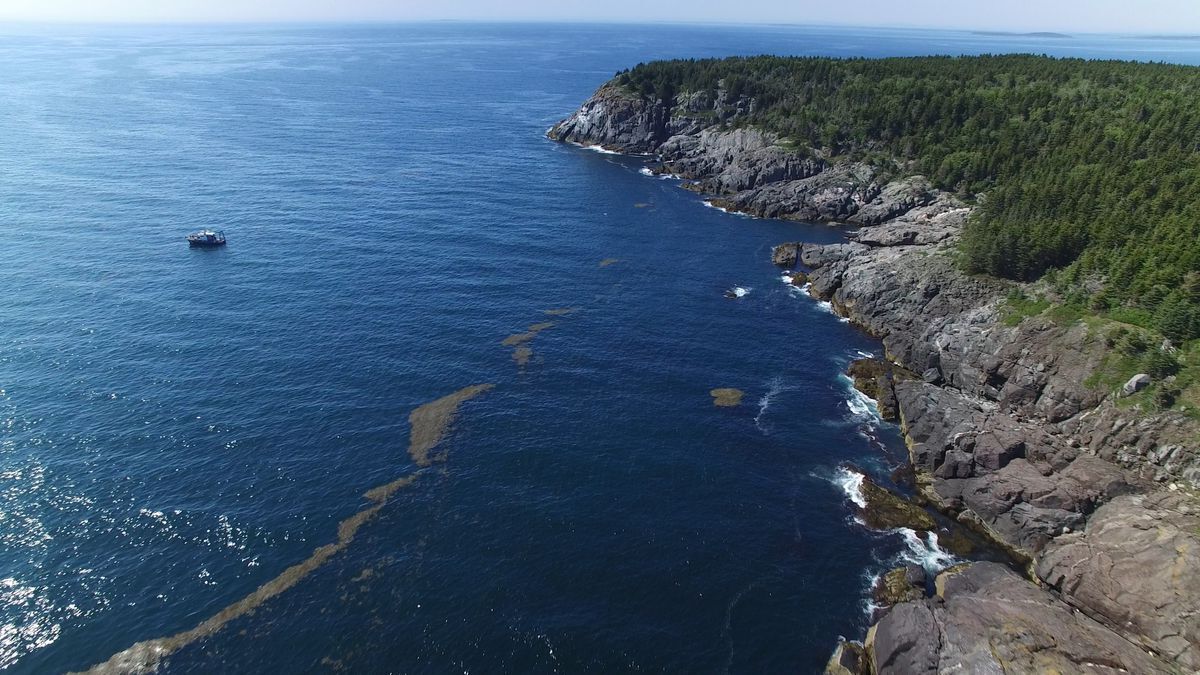
Have you ever wondered what makes Maine's coastline so special? The answer lies in the coastal research institutes scattered along its shores. These institutes are dedicated to studying the unique marine ecosystems, wildlife, and environmental changes that shape this beautiful region. From monitoring the health of lobster populations to tracking migratory patterns of seabirds, these research centers play a crucial role in preserving Maine's natural beauty. They also offer educational programs and opportunities for visitors to learn about marine science. Whether you're a curious traveler or a budding scientist, Maine's coastal research institutes provide a fascinating glimpse into the mysteries of the ocean.
Maine's Coastal Research Institutes: A Hidden Gem
Maine's coastline is more than just stunning views and fresh seafood. It's home to some of the most fascinating research institutes in the country. These places are dedicated to studying marine life, ecosystems, and the impact of human activity on the ocean. Let's dive into some of these incredible institutes.
1. Bigelow Laboratory for Ocean Sciences
Bigelow Laboratory for Ocean Sciences is a powerhouse of marine research. Located in East Boothbay, this institute focuses on understanding the ocean's microscopic life and its impact on global ecosystems.
- Research Focus: Marine microbiology, ocean health, climate change.
- Unique Feature: State-of-the-art facilities for studying phytoplankton and other tiny ocean organisms.
2. Gulf of Maine Research Institute
The Gulf of Maine Research Institute in Portland is a leader in marine science and education. They work on a variety of projects aimed at understanding and preserving the Gulf of Maine's unique ecosystem.
- Research Focus: Fisheries, climate change, marine resource management.
- Unique Feature: Interactive exhibits and educational programs for students and the public.
3. Darling Marine Center
The Darling Marine Center, part of the University of Maine, is located in Walpole. This center offers a hands-on approach to marine research, with opportunities for students and scientists to work directly in the field.
- Research Focus: Marine biology, aquaculture, coastal ecosystems.
- Unique Feature: Access to diverse marine habitats for field studies.
4. Mount Desert Island Biological Laboratory
Mount Desert Island Biological Laboratory in Bar Harbor is renowned for its research on regenerative biology and aging. This institute also studies the impact of environmental changes on marine life.
- Research Focus: Regenerative biology, environmental health, marine biology.
- Unique Feature: Cutting-edge research on how marine organisms can regenerate tissues and organs.
5. Wells National Estuarine Research Reserve
The Wells National Estuarine Research Reserve is dedicated to studying and protecting estuarine ecosystems. Located in Wells, this reserve offers a unique blend of research, education, and conservation.
- Research Focus: Estuarine ecology, coastal management, habitat restoration.
- Unique Feature: Extensive trails and educational programs for visitors.
6. University of New England Marine Science Center
The University of New England Marine Science Center in Biddeford is a hub for marine research and education. This center provides students with hands-on learning experiences in marine science.
- Research Focus: Marine biology, oceanography, marine conservation.
- Unique Feature: State-of-the-art labs and access to diverse marine environments for research.
7. Schoodic Institute at Acadia National Park
Schoodic Institute, located within Acadia National Park, focuses on ecosystem science and education. This institute collaborates with scientists, educators, and the public to study and protect natural resources.
- Research Focus: Ecosystem science, climate change, conservation.
- Unique Feature: Stunning natural setting within a national park, offering unique research opportunities.
8. Bowdoin College Coastal Studies Center
Bowdoin College Coastal Studies Center in Harpswell provides a unique environment for studying coastal and marine ecosystems. This center supports research and education in marine science.
- Research Focus: Coastal ecology, marine biology, environmental science.
- Unique Feature: Access to diverse coastal habitats and state-of-the-art research facilities.
9. Hurricane Island Center for Science and Leadership
Hurricane Island Center for Science and Leadership offers immersive programs in marine science and sustainability. Located on Hurricane Island, this center provides hands-on learning experiences in a stunning natural setting.
- Research Focus: Marine science, sustainability, leadership.
- Unique Feature: Unique island setting that fosters a deep connection to the natural world.
10. Penobscot East Resource Center
Penobscot East Resource Center in Stonington works to sustain the fisheries and communities of Eastern Maine. This center focuses on collaborative research and community engagement.
- Research Focus: Fisheries management, marine conservation, community sustainability.
- Unique Feature: Strong emphasis on community involvement and sustainable practices.
Embracing Maine's Coastal Wonders
Maine's coastal research institutes offer a unique glimpse into the region's natural beauty and scientific endeavors. These centers not only advance marine science but also provide educational opportunities for visitors. From studying marine life to understanding coastal ecosystems, these institutes play a crucial role in preserving Maine's coastal heritage.
Visiting these research centers can be both educational and inspiring. You'll gain a deeper appreciation for the ocean's mysteries and the efforts to protect it. Whether you're a science enthusiast or just curious about the natural world, Maine's coastal research institutes have something to offer.
Plan your visit to these remarkable places and experience firsthand the dedication and passion driving marine research. Maine's coastline is more than just a scenic destination; it's a hub of scientific discovery waiting to be explored.
