Secrets Of Maine’s Coastal Research Groups
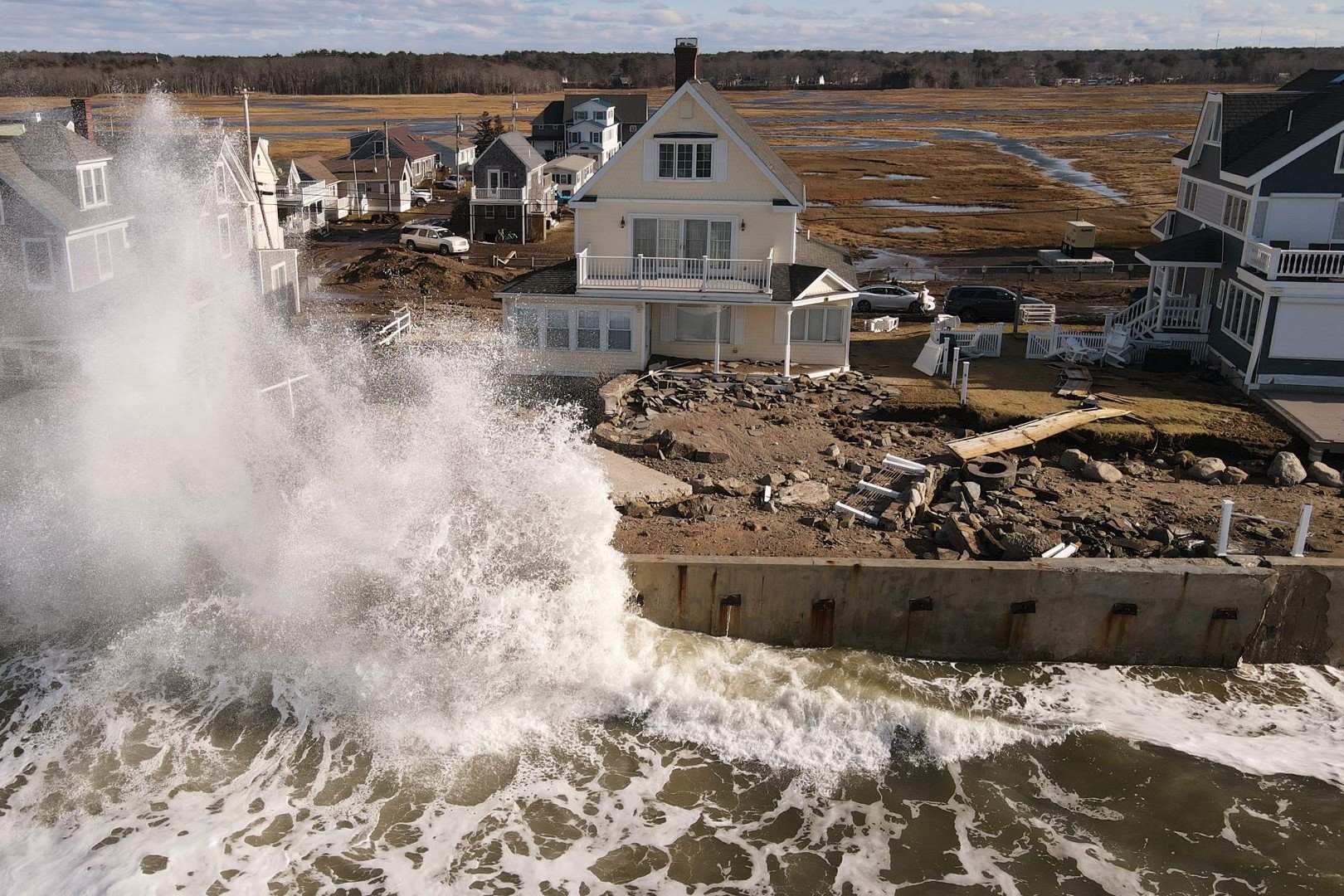
Have you ever wondered what makes Maine's coastline so special? The answer lies in the work of Maine's coastal research groups. These dedicated teams study everything from marine life to water quality, helping to preserve the natural beauty and health of the coast. They monitor changes in the environment, track the health of fish populations, and even work on projects to combat climate change. Their efforts ensure that Maine's coastline remains a vibrant and thriving ecosystem. Whether you're a local or a visitor, understanding their work can deepen your appreciation for this stunning region. Let's dive into the world of coastal research and see what makes it so vital.
Secrets of Maine's Coastal Research Groups
Maine's coastline is a treasure trove of marine life, unique ecosystems, and fascinating research opportunities. Coastal research groups in this state work tirelessly to understand, protect, and preserve these natural wonders. Let's dive into some of the most intriguing coastal research groups in Maine.
1. Bigelow Laboratory for Ocean Sciences
Bigelow Laboratory for Ocean Sciences is a hub for marine research and education. Located in East Boothbay, this facility focuses on understanding the ocean's microscopic life and its impact on global ecosystems.
- Research Focus: Marine microbes, ocean health, climate change
- Programs: Internships, public tours, educational workshops
- Notable Projects: Gulf of Maine Research, Arctic Microbial Ecology
2. Gulf of Maine Research Institute (GMRI)
GMRI in Portland is dedicated to the sustainable management of the Gulf of Maine's marine resources. They combine scientific research with community engagement to address pressing environmental issues.
- Research Focus: Fisheries, climate resilience, ocean data
- Programs: LabVenture, Sea State Series, Marine Resource Education Program
- Notable Projects: Climate Center, Ecosystem Modeling, Sustainable Seafood Initiative
3. Downeast Institute for Applied Marine Research and Education
Located in Beals, the Downeast Institute (DEI) is a leading center for applied marine research. DEI focuses on the cultivation and restoration of marine species, particularly shellfish.
- Research Focus: Shellfish aquaculture, marine habitat restoration
- Programs: Shellfish hatchery, educational outreach, community workshops
- Notable Projects: Clam Flat Restoration, Lobster Research, Seaweed Cultivation
4. University of Maine's Darling Marine Center
The Darling Marine Center in Walpole is part of the University of Maine and serves as a hub for marine research and education. This center provides a unique setting for studying coastal and marine ecosystems.
- Research Focus: Marine biology, oceanography, coastal ecology
- Programs: Graduate and undergraduate research, public seminars, summer internships
- Notable Projects: Oyster Aquaculture, Coastal Ocean Observing, Marine Mammal Studies
5. Schoodic Institute at Acadia National Park
Schoodic Institute, located within Acadia National Park, focuses on ecosystem science and education. They work closely with the National Park Service to study and protect the park's natural resources.
- Research Focus: Ecosystem monitoring, climate change, citizen science
- Programs: Research internships, public programs, educational partnerships
- Notable Projects: Schoodic Education and Research Center, Climate Change Adaptation, Biodiversity Studies
6. Maine Coastal Program
The Maine Coastal Program, part of the Maine Department of Marine Resources, works to balance the use and protection of coastal resources. They collaborate with local communities and organizations to promote sustainable coastal development.
- Research Focus: Coastal management, habitat protection, marine policy
- Programs: Coastal grants, technical assistance, public outreach
- Notable Projects: Coastal Access Initiative, Shoreline Stabilization, Marine Spatial Planning
7. Wells National Estuarine Research Reserve
Wells Reserve is a research, education, and stewardship facility located in Wells. It focuses on estuarine and coastal ecosystems, providing valuable insights into these critical habitats.
- Research Focus: Estuarine ecology, water quality, habitat restoration
- Programs: Research fellowships, public education, volunteer opportunities
- Notable Projects: Salt Marsh Restoration, Water Quality Monitoring, Invasive Species Management
Maine's Coastal Research Groups: A Vital Resource
Maine's coastal research groups play a crucial role in preserving the state's unique marine environment. These organizations work tirelessly to study marine life, monitor water quality, and address environmental challenges. Their efforts help maintain the health of Maine's coastal ecosystems, ensuring that future generations can enjoy the natural beauty and resources of the area.
Supporting these groups, whether through donations, volunteering, or simply spreading awareness, can make a significant impact. By backing their work, you contribute to the ongoing protection and understanding of Maine's coastal regions. Next time you visit, take a moment to appreciate the dedication and hard work of these researchers. Their commitment not only benefits the environment but also enriches the lives of residents and visitors alike. Maine's coastal research groups truly are a vital resource for the state and beyond.