

Secrets Of Maine’s Ancient Fishery Weir
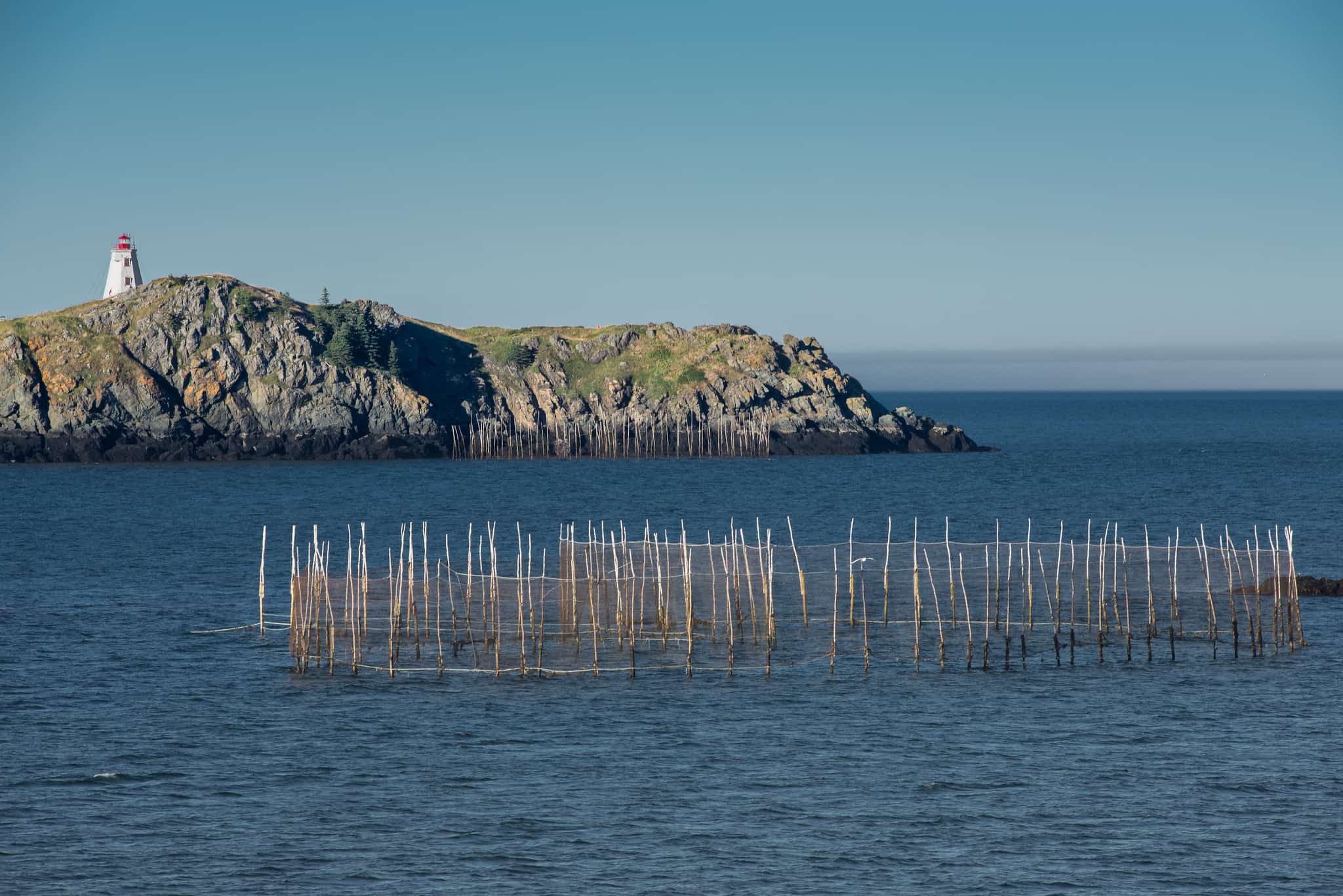
Have you ever wondered about the secrets hidden beneath Maine's coastal waters? One of the most intriguing is the ancient fishery weir. These structures, used by Native Americans for thousands of years, are still visible today. They offer a glimpse into the past, showcasing how early inhabitants skillfully harvested fish. Imagine walking along the shore and stumbling upon these stone formations, each telling a story of survival and ingenuity. Whether you're a history buff or just curious about local traditions, exploring these ancient weirs can be a fascinating experience. Ready to dive into Maine's rich maritime history? Let's get started!
Secrets of Maine's Ancient Fishery Weirs
Maine's coastline is dotted with ancient fishery weirs, structures that have been used for centuries to trap fish. These weirs are a testament to the ingenuity of early settlers and Native Americans. Let's dive into some of the most fascinating weirs along Maine's coast.
1. The Blue Hill Bay Weir
Blue Hill Bay is home to one of the oldest fishery weirs in Maine. This weir has been used for generations to catch herring, a staple in the local diet.
- Historical Significance: The weir dates back to the early 1800s.
- Construction: Made from wooden stakes and nets.
- Current Use: Still in use today by local fishermen.
2. The Penobscot River Weir
The Penobscot River Weir is another ancient structure that has stood the test of time. Located near Bangor, this weir was crucial for the Penobscot Nation.
- Cultural Importance: Used by the Penobscot Nation for centuries.
- Design: Built with stone and wooden barriers.
- Species Caught: Primarily salmon and shad.
3. The Damariscotta River Weir
Damariscotta River is famous for its oyster beds, but it also has a historic fishery weir that has been in use for over a century.
- Unique Feature: Known for trapping oysters as well as fish.
- Materials: Constructed with wooden stakes and woven nets.
- Modern Use: Still operational, mainly for educational purposes.
4. The Machias Bay Weir
Machias Bay is home to a weir that has been a vital part of the local fishing community for decades.
- Community Role: Supports local fishermen and their families.
- Structure: Made from a combination of wood and metal.
- Fish Caught: Herring, mackerel, and occasionally lobster.
5. The Kennebec River Weir
The Kennebec River Weir is another ancient structure that has played a significant role in Maine's fishing history.
- Historical Background: Used since the 1700s.
- Construction: Built with stone and wooden stakes.
- Species Targeted: Salmon, shad, and alewives.
6. The Casco Bay Weir
Casco Bay, near Portland, is home to a weir that has been used for both commercial and recreational fishing.
- Commercial Use: Supports local fish markets.
- Design: Made from wooden stakes and nets.
- Fish Species: Primarily herring and mackerel.
7. The Passamaquoddy Bay Weir
Passamaquoddy Bay, located near the Canadian border, has a weir that has been used by the Passamaquoddy Tribe for centuries.
- Cultural Significance: Integral to the Passamaquoddy Tribe's way of life.
- Materials: Constructed with stone and wood.
- Fish Caught: Salmon, shad, and smelt.
8. The Merrymeeting Bay Weir
Merrymeeting Bay is a unique confluence of six rivers, making it an ideal location for a fishery weir.
- Unique Location: Confluence of six rivers.
- Construction: Made from wooden stakes and nets.
- Species Targeted: Shad, alewives, and striped bass.
9. The Frenchman Bay Weir
Frenchman Bay, near Bar Harbor, is home to a weir that has been used for both fishing and research purposes.
- Research Use: Studied by marine biologists.
- Design: Made from wood and metal.
- Fish Species: Herring, mackerel, and occasionally squid.
10. The Cobscook Bay Weir
Cobscook Bay, known for its strong tides, has a weir that has been a crucial part of the local fishing industry.
- Tidal Influence: Strong tides make it an ideal fishing spot.
- Materials: Constructed with wooden stakes and nets.
- Fish Caught: Herring, mackerel, and smelt.
Maine's Ancient Fishery Weirs: A Timeless Tradition
Maine's ancient fishery weirs offer a glimpse into a world where tradition meets nature. These structures, built with care and knowledge passed down through generations, showcase the ingenuity of early settlers. They didn't just catch fish; they created a sustainable way to live in harmony with the environment. Visiting these weirs today, you can feel the connection to the past and appreciate the hard work and skill involved. It's not just about the fish; it's about understanding a way of life that respected nature's rhythms. Exploring these historic sites, you gain a deeper appreciation for Maine's rich heritage. So next time you're in Maine, take a moment to visit a fishery weir. You'll walk away with more than just memories; you'll carry a piece of history with you.
