Secrets Of Maine’s Acadia Forest Carbon Studies
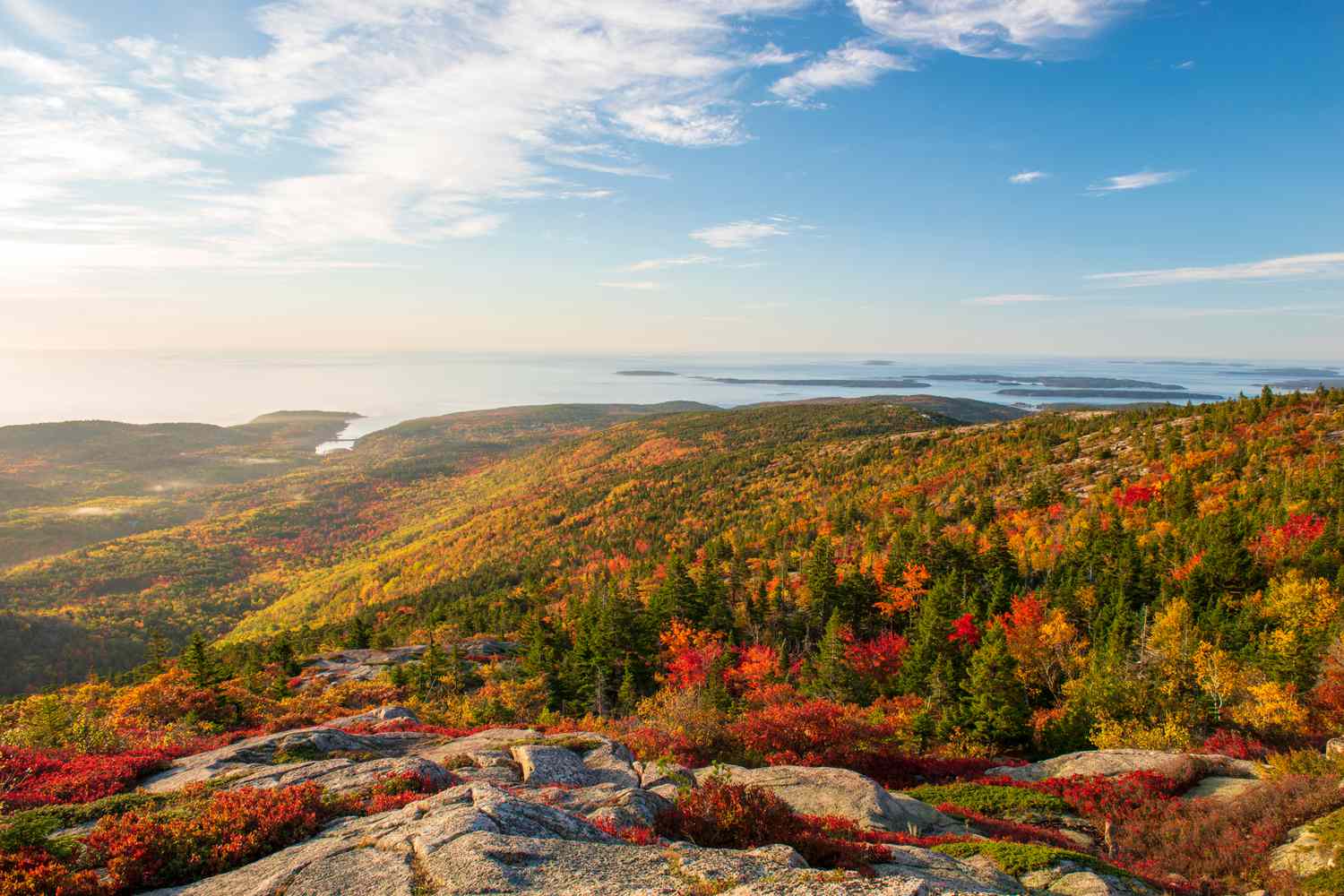
Have you ever wondered how forests help fight climate change? Acadia National Park in Maine holds some answers. Scientists study the carbon stored in its trees, soil, and plants. This research helps us understand how forests can absorb carbon dioxide from the air, reducing greenhouse gases. By learning more about Acadia's carbon storage, we can find better ways to protect our planet. Whether you're a nature lover or just curious about climate change, the secrets of Acadia's forest carbon studies offer fascinating insights into how nature works to keep our world balanced.
The Mystique of Acadia Forest
Acadia National Park, located on Maine's Mount Desert Island, is a treasure trove of natural beauty. But beyond its stunning landscapes, Acadia is also a hub for groundbreaking carbon studies. Researchers flock here to understand how forests can help combat climate change. Let's dive into some key spots within Acadia where these studies take place.
Schoodic Peninsula
The Schoodic Peninsula offers a unique setting for carbon research. Its diverse ecosystems provide a rich tapestry for scientists to study.
- Schoodic Institute: This research center is the heart of scientific exploration on the peninsula. Scientists here focus on how forest ecosystems capture and store carbon.
- Schoodic Woods Campground: A great spot for observing forest dynamics. Researchers often study the impact of human activity on carbon storage here.
- Schoodic Point: Known for its rugged coastline, this area is also a key site for studying coastal forest carbon dynamics.
Cadillac Mountain
Cadillac Mountain is not just famous for its sunrise views. It’s also a hotspot for carbon studies due to its unique alpine environment.
- Blue Hill Overlook: This spot offers panoramic views and is a prime location for studying how elevation affects carbon storage.
- North Ridge Trail: Researchers use this trail to study the impact of hiking and tourism on forest carbon levels.
- Cadillac Summit: The summit provides a unique environment for studying alpine vegetation and its role in carbon sequestration.
Jordan Pond
Jordan Pond is a serene location that plays a crucial role in carbon studies. Its surrounding forests and wetlands are perfect for research.
- Jordan Pond Path: This trail offers a close look at wetland ecosystems, which are vital for carbon storage.
- The Bubbles: These twin mountains provide a unique setting for studying how different elevations and soil types affect carbon levels.
- Jordan Pond House: While famous for its popovers, this area is also a key site for studying the impact of tourism on carbon storage.
Isle au Haut
Isle au Haut is a remote part of Acadia that offers pristine conditions for carbon research. Its isolation makes it an ideal natural laboratory.
- Duck Harbor Campground: This secluded spot is perfect for studying undisturbed forest ecosystems and their carbon storage capabilities.
- Western Head: Known for its rugged beauty, this area is a key site for studying coastal forest carbon dynamics.
- Long Pond: This freshwater pond provides a unique setting for studying aquatic ecosystems and their role in carbon sequestration.
Great Meadow
Great Meadow is a lush, low-lying area in Acadia that offers a different perspective on carbon studies. Its wetlands are particularly important for research.
- Jesup Path: This boardwalk trail takes you through wetlands, offering a close look at how these ecosystems store carbon.
- Hemlock Path: Researchers study the impact of hemlock trees on carbon storage along this trail.
- Wild Gardens of Acadia: This area showcases native plants and their role in carbon sequestration.
The Impact of Acadia's Carbon Studies
Acadia's carbon studies reveal how forests can combat climate change. These studies show how trees absorb carbon dioxide, helping reduce greenhouse gases. Understanding this process helps scientists develop better conservation strategies.
Visitors to Acadia can see this research in action. Trails and guided tours offer insights into the forest's role in carbon sequestration. This makes the park not just a place of beauty but also a hub for important environmental research.
Supporting Acadia's efforts means supporting a healthier planet. By learning about and promoting these studies, everyone can contribute to the fight against climate change. Next time you visit, remember the vital work happening behind the scenes.
Acadia's forests are more than just trees; they're a key part of our planet's future. Let's appreciate and protect them for generations to come.