

Maine’s Hundred Mile Wilderness Secrets
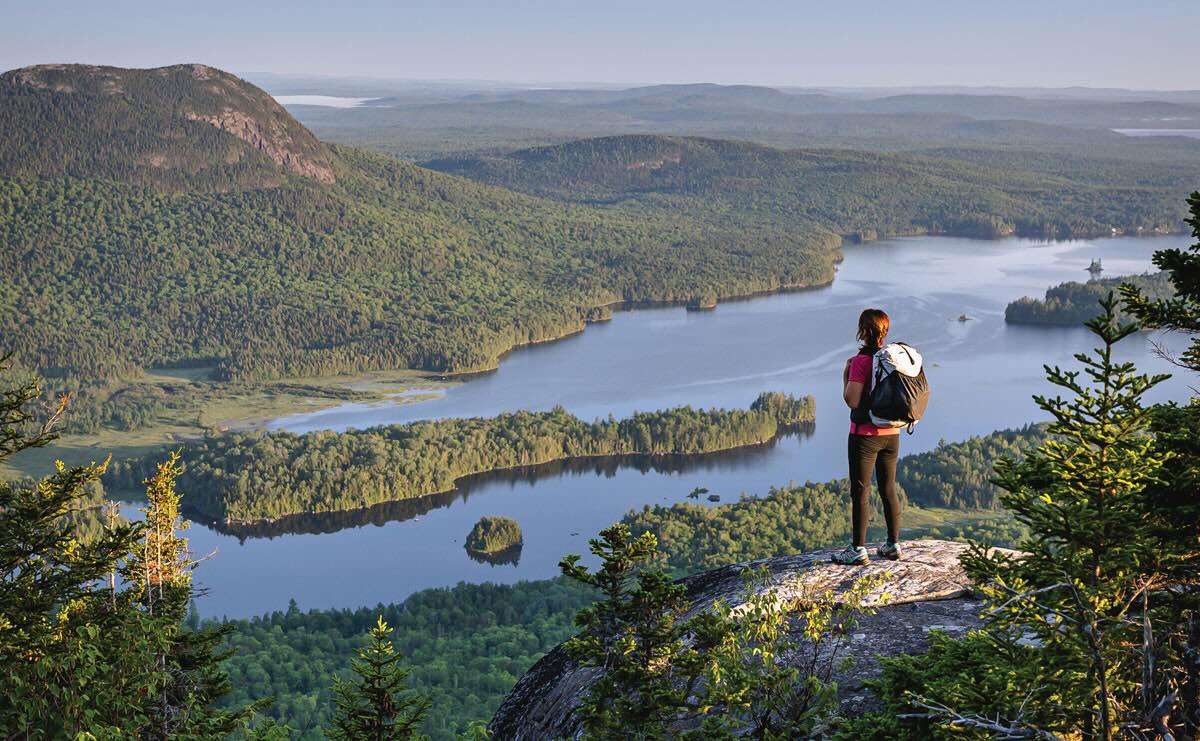
Have you ever wondered what makes Maine's Hundred Mile Wilderness so special? This remote stretch of the Appalachian Trail offers a unique blend of rugged beauty, challenging terrain, and serene solitude. Hikers often find themselves surrounded by dense forests, pristine lakes, and stunning mountain vistas. Wildlife sightings are common, with moose, deer, and various bird species making appearances. The lack of roads and towns means you can truly disconnect from the hustle and bustle of everyday life. Whether you're an experienced backpacker or new to long-distance hiking, this wilderness promises an unforgettable adventure. Ready to lace up your boots and hit the trail?
Maine's Hundred Mile Wilderness Secrets
Maine's Hundred Mile Wilderness is a stretch of the Appalachian Trail known for its rugged beauty and remote landscapes. This area offers a unique blend of natural wonders, historical sites, and hidden gems. Let's dive into some of the best-kept secrets of this wilderness.
Hidden Waterfalls
The Hundred Mile Wilderness is home to several stunning waterfalls that are often overlooked by hikers. These cascades provide a refreshing break and a perfect photo opportunity.
Gulf Hagas: Known as the "Grand Canyon of the East," Gulf Hagas features a series of waterfalls and gorges. The hike through this area is challenging but rewarding, with breathtaking views at every turn.
Little Wilson Falls: This waterfall drops over 40 feet into a deep pool, making it a great spot for a refreshing swim. The trail to Little Wilson Falls is relatively short, making it accessible for most hikers.
Screw Auger Falls: Located in Grafton Notch State Park, this waterfall is a hidden gem. The water cascades through a narrow gorge, creating a picturesque scene that's perfect for photography.
Scenic Overlooks
For those who love panoramic views, the Hundred Mile Wilderness offers several scenic overlooks that provide stunning vistas of the surrounding landscape.
Barren Ledges: This overlook offers a sweeping view of the surrounding mountains and valleys. It's a great spot to take a break and soak in the beauty of the wilderness.
Chairback Mountain: The summit of Chairback Mountain provides a 360-degree view of the wilderness. On a clear day, you can see for miles in every direction.
White Cap Mountain: This peak is one of the highest in the Hundred Mile Wilderness, offering spectacular views of the surrounding area. The hike to the summit is challenging but well worth the effort.
Historical Sites
The Hundred Mile Wilderness is not just about natural beauty; it also has a rich history waiting to be explored.
Katahdin Iron Works: This historic site was once a bustling ironworks operation in the 19th century. Today, visitors can explore the remnants of the ironworks and learn about its history.
Hermitage: This old-growth forest is home to some of the oldest trees in Maine. The Hermitage is a National Natural Landmark and offers a glimpse into the forest's past.
Monson: This small town is the last stop for many hikers before entering the Hundred Mile Wilderness. Monson has a rich history and offers several historical sites and museums to explore.
Unique Wildlife
The wilderness is teeming with wildlife, some of which are unique to this area. Keep an eye out for these creatures during your hike.
Moose: Maine is known for its moose population, and the Hundred Mile Wilderness is no exception. These majestic animals can often be seen grazing near ponds and streams.
Loons: These iconic birds are known for their haunting calls. Loons can be spotted on many of the lakes and ponds in the wilderness.
Black Bears: While sightings are rare, black bears do inhabit the Hundred Mile Wilderness. Always practice safe food storage and be aware of your surroundings.
Hidden Lakes and Ponds
Scattered throughout the wilderness are numerous lakes and ponds, each offering its own unique charm and opportunities for adventure.
Nahmakanta Lake: This large, pristine lake is perfect for kayaking, fishing, or simply relaxing by the shore. The surrounding area offers several great camping spots.
Crawford Pond: A smaller, more secluded pond, Crawford Pond is ideal for those looking to escape the crowds. The clear waters are perfect for a refreshing swim.
Antlers Campsite: Located on the shores of Lower Jo-Mary Lake, this campsite offers stunning views and a peaceful setting. It's a great spot to set up camp and enjoy the tranquility of the wilderness.
Unique Flora
The Hundred Mile Wilderness is home to a diverse range of plant life, some of which are unique to this area.
Pitcher Plants: These carnivorous plants can be found in the boggy areas of the wilderness. They are fascinating to observe and photograph.
Lady Slippers: These beautiful orchids are a rare find and a treat for any hiker lucky enough to spot them. They typically bloom in late spring.
Old-Growth Forests: The wilderness is home to several areas of old-growth forest, where you can see trees that are hundreds of years old. These forests offer a glimpse into what the landscape looked like before human intervention.
Embracing the Wilderness
Maine's Hundred Mile Wilderness offers a unique adventure for those seeking solitude and natural beauty. The trail's rugged terrain, dense forests, and pristine lakes provide a perfect escape from daily life. Hikers can experience diverse wildlife, stunning vistas, and the challenge of navigating one of the most remote sections of the Appalachian Trail.
Preparation is key. Ensure you have the right gear, enough food, and a solid plan. Respect the environment by following Leave No Trace principles. This journey isn't just about physical endurance; it's a mental and spiritual retreat.
Whether you're an experienced hiker or new to long-distance trekking, the Hundred Mile Wilderness promises an unforgettable experience. Embrace the challenge, soak in the beauty, and let the wilderness rejuvenate your spirit. This adventure will leave you with lasting memories and a deeper appreciation for nature's wonders.
