

Maine’s Acadia Otter Point Tide Pools Hold Surprising Secrets
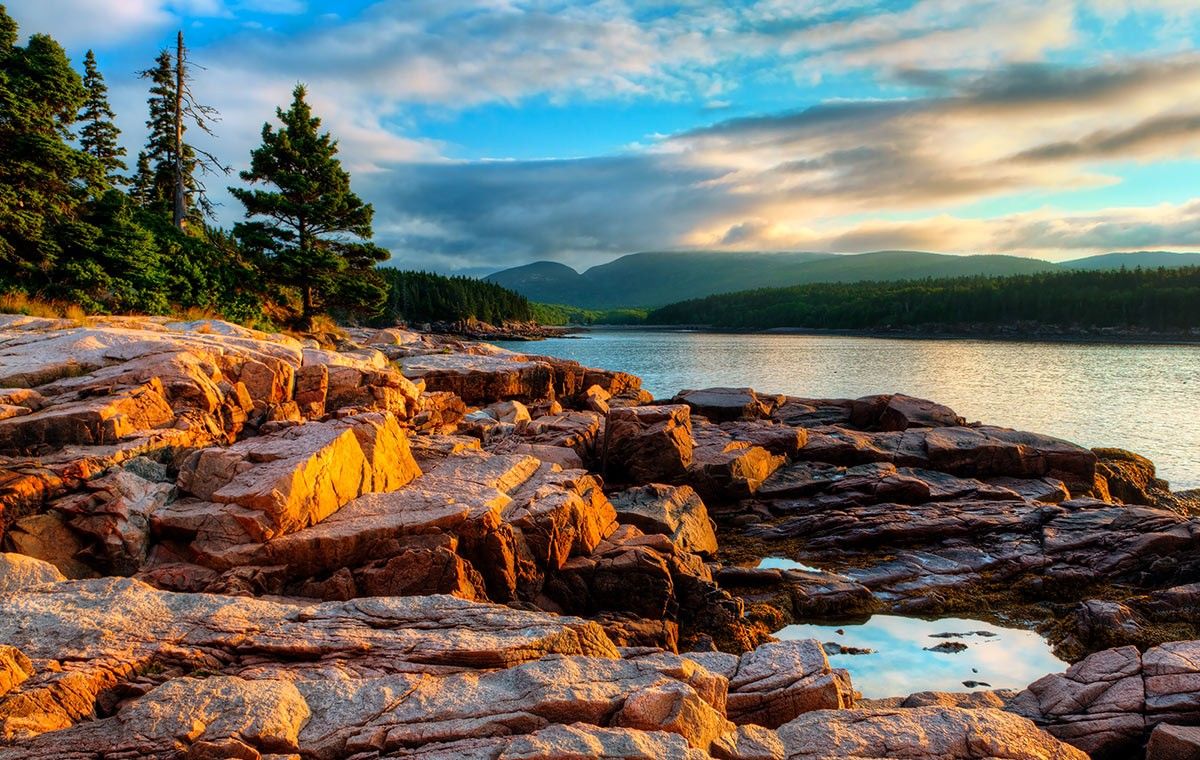
Have you ever wondered what makes Maine's Acadia Otter Point Tide Pools so special? These natural wonders offer a unique glimpse into marine life. At low tide, the pools reveal a hidden world teeming with starfish, crabs, and colorful sea anemones. Perfect for families, nature lovers, and curious minds, this spot provides an up-close look at creatures you might not see otherwise. The rocky coastline and clear waters make it an ideal location for both exploration and photography. Whether you're a seasoned tide pool enthusiast or a first-timer, Otter Point promises a memorable experience. Ready to learn more?
Discovering the Hidden Wonders of Acadia's Otter Point Tide Pools
Acadia National Park in Maine is a treasure trove of natural beauty, but the Otter Point tide pools are often overlooked. These tide pools are teeming with life and offer a unique glimpse into the marine ecosystem. Here are some of the most fascinating spots you should explore.
1. The Rocky Shoreline
The rocky shoreline at Otter Point is a great place to start your adventure. The jagged rocks create small pools where sea creatures thrive.
- Sea Stars: These colorful creatures can be found clinging to the rocks.
- Barnacles: Look closely, and you'll see these tiny crustaceans attached to the rocks.
- Mussels: Often found in clusters, mussels are a common sight.
2. The Shallow Pools
Shallow pools are perfect for observing smaller marine life. These pools are usually warmer and less turbulent, making them ideal for delicate creatures.
- Hermit Crabs: Watch these tiny crabs scuttle around, often carrying their homes on their backs.
- Small Fish: Various species of small fish can be seen darting around.
- Snails: These slow-moving creatures are often found grazing on algae.
3. The Deeper Pools
Deeper pools offer a different set of marine life. These pools are cooler and can sustain larger creatures.
- Sea Anemones: These flower-like animals can be found attached to rocks, waving their tentacles.
- Crabs: Larger crabs can often be seen hiding under rocks.
- Sea Urchins: These spiky creatures are a fascinating find.
4. The Algae-Covered Rocks
Algae-covered rocks are a hotspot for various forms of life. The algae provide food and shelter for many marine creatures.
- Periwinkles: These small snails are often found grazing on algae.
- Limpets: These cone-shaped mollusks cling tightly to the rocks.
- Sea Slugs: These colorful creatures can sometimes be spotted among the algae.
5. The Sandy Bottoms
Sandy bottoms are less common but can be found in some of the larger pools. These areas are home to different types of marine life.
- Sand Dollars: These flat, burrowing creatures are a rare but exciting find.
- Flatfish: These fish are masters of camouflage, blending in with the sandy bottom.
- Worms: Various types of marine worms can be seen burrowing in the sand.
6. The Kelp Forests
Kelp forests are underwater areas dominated by large kelp plants. These forests provide a unique habitat for marine life.
- Sea Otters: Occasionally, you might spot a sea otter playing among the kelp.
- Fish: Various species of fish use the kelp for shelter.
- Invertebrates: Many invertebrates, like sea stars and urchins, can be found in these areas.
7. The Tidal Pools at Low Tide
Low tide reveals a different world in the tidal pools. This is the best time to explore, as more marine life becomes visible.
- Octopuses: These elusive creatures sometimes venture into the pools.
- Shrimp: Look for these small, transparent creatures darting around.
- Sea Cucumbers: These odd-looking animals can be found in some of the deeper pools.
8. The Craggy Outcrops
Craggy outcrops are another fascinating area to explore. These rocky formations create unique habitats for marine life.
- Chitons: These oval-shaped mollusks cling to the rocks.
- Sea Sponges: These porous creatures can be found attached to the rocks.
- Anemones: Various species of anemones can be seen waving their tentacles in the water.
9. The Hidden Caves
Hidden caves are a bit more challenging to find but offer a unique experience. These caves are often home to creatures that prefer darker, more sheltered environments.
- Brittle Stars: These starfish relatives can be found hiding in the crevices.
- Sea Squirts: These filter-feeding animals are often found attached to the cave walls.
- Crabs: Various species of crabs can be seen scuttling around the cave floors.
10. The Intertidal Zones
Intertidal zones are areas that are underwater at high tide and exposed at low tide. These zones are rich in marine life.
- Clams: These bivalves can be found buried in the sand.
- Whelks: These predatory snails are often seen hunting for food.
- Seaweeds: Various types of seaweeds can be found growing in these zones.
Discovering Acadia's Hidden Gems
Acadia's Otter Point tide pools offer a unique glimpse into the diverse marine life of Maine. Exploring these pools reveals fascinating creatures like starfish, sea urchins, and crabs. The ever-changing tides create a dynamic environment, making each visit a new adventure. Remember to tread lightly to preserve this delicate ecosystem. Whether you're a seasoned naturalist or a curious traveler, Otter Point's tide pools provide an unforgettable experience. Plan your visit during low tide for the best views and bring a guidebook to identify the various species. These hidden gems of Acadia are a testament to the beauty and complexity of nature. So, next time you're in Maine, don't miss the chance to explore Otter Point and its incredible tide pools. It's a perfect spot for families, photographers, and anyone looking to connect with the natural world.
