

Hidden Biomass Energy Research At Maine’s Universities
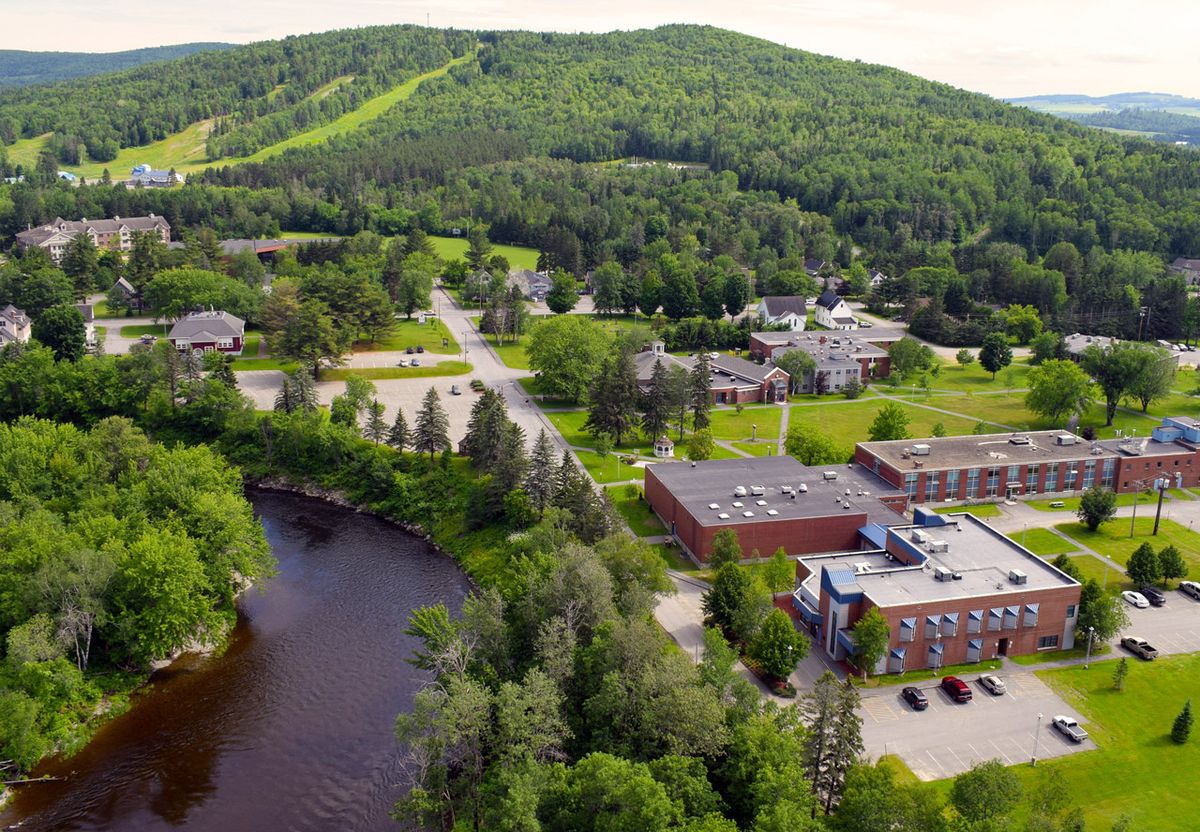
Have you ever wondered about the latest biomass energy research happening in Maine's universities? Maine is known for its forests, and researchers are tapping into this natural resource to find sustainable energy solutions. At the University of Maine, scientists are exploring how wood and other organic materials can be converted into biomass energy. This type of energy could help reduce our reliance on fossil fuels and lower greenhouse gas emissions. Meanwhile, students and professors are working together on innovative projects that could change how we think about renewable energy. Curious to learn more about these exciting developments? Keep reading to find out!
The Rise of Biomass Energy Research in Maine
Maine's universities are at the forefront of biomass energy research, a field gaining momentum due to its potential to provide sustainable and renewable energy. These institutions are not only contributing to scientific advancements but also fostering a greener future. Let's explore some key places where this groundbreaking research is happening.
University of Maine: A Leader in Biomass Innovation
The University of Maine stands out as a pioneer in biomass energy research. Their commitment to sustainability and innovation is evident through various projects and initiatives.
Advanced Structures and Composites Center: This center focuses on developing new materials and technologies using biomass. Researchers here are working on creating bio-based composites that can replace traditional materials in construction and manufacturing.
Forest Bioproducts Research Institute: Dedicated to converting forest biomass into valuable products, this institute explores ways to produce biofuels, biochemicals, and other sustainable materials from wood and other forest resources.
School of Forest Resources: This school emphasizes sustainable forest management and the utilization of forest biomass for energy. Their research includes studying the best practices for harvesting and processing biomass to maximize energy output.
Husson University: Integrating Biomass into Education
Husson University is another key player in biomass energy research. Their approach integrates education with hands-on research, preparing students for careers in renewable energy.
College of Science and Humanities: This college offers programs that include coursework and research opportunities in biomass energy. Students can engage in projects that explore the potential of biomass as a renewable energy source.
Environmental Science Program: Focused on sustainability, this program encourages students to investigate the environmental impacts of biomass energy. Research topics include lifecycle analysis of biomass fuels and the development of sustainable biomass harvesting techniques.
Colby College: Pioneering Sustainable Practices
Colby College is known for its commitment to sustainability, and its biomass energy research is a testament to this dedication. The college's initiatives aim to reduce carbon footprints and promote renewable energy.
Environmental Studies Program: This program includes research on biomass energy as part of its curriculum. Students and faculty work together on projects that assess the feasibility and environmental benefits of using biomass for energy.
Sustainability Office: Colby's Sustainability Office supports research and initiatives that promote renewable energy, including biomass. They collaborate with faculty and students to implement biomass energy solutions on campus and beyond.
Bowdoin College: A Hub for Renewable Energy Research
Bowdoin College is another institution making significant strides in biomass energy research. Their focus on renewable energy aligns with their broader goals of environmental stewardship and sustainability.
Environmental Studies Department: This department conducts research on various aspects of biomass energy, from the technical challenges of converting biomass to energy to the social and economic implications of adopting biomass technologies.
Sustainability Office: Similar to Colby, Bowdoin's Sustainability Office plays a crucial role in promoting biomass energy research. They support projects that aim to integrate biomass energy solutions into campus operations and the local community.
Bates College: Advancing Biomass Energy Solutions
Bates College is committed to advancing biomass energy solutions through research and practical applications. Their efforts contribute to the broader goal of achieving a sustainable energy future.
Environmental Studies Program: Bates' program includes research on biomass energy, focusing on the potential of local biomass resources to meet energy needs. Students and faculty collaborate on projects that explore innovative ways to utilize biomass for energy.
Sustainability Office: The Sustainability Office at Bates supports biomass energy research and initiatives. They work with the college community to implement biomass energy solutions and promote awareness about the benefits of renewable energy.
Maine's universities are making significant contributions to the field of biomass energy research. Their efforts not only advance scientific knowledge but also pave the way for a more sustainable and renewable energy future.
Maine's Role in Biomass Energy
Maine's universities are making significant strides in biomass energy research. Their work is not only advancing renewable energy but also supporting local economies. By focusing on sustainable practices, these institutions are helping to reduce reliance on fossil fuels. This research is crucial for a greener future, offering practical solutions to energy challenges.
The collaboration between universities, local businesses, and government agencies is fostering innovation. This teamwork is essential for developing efficient biomass technologies. As these projects progress, they promise to create new job opportunities and promote environmental stewardship.
Maine's commitment to biomass energy highlights the state's leadership in renewable resources. The ongoing research and development efforts are paving the way for a more sustainable and energy-independent future. Keep an eye on Maine's universities as they continue to push the boundaries of biomass energy.
