Secrets Of Louisiana’s Whitney Sugar Plantation Ruins
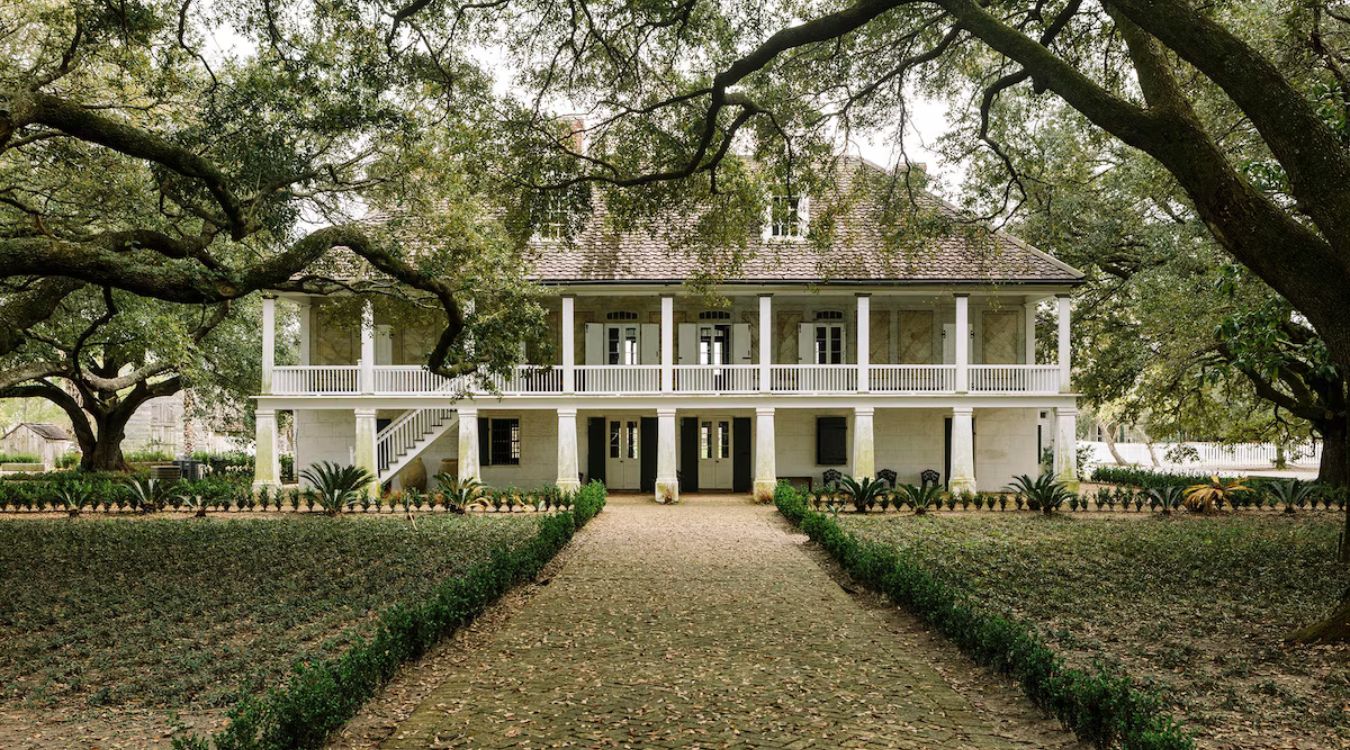
Have you ever wondered about the hidden stories behind Louisiana's Whitney Sugar Plantation Ruins? This historic site offers a unique glimpse into the past, revealing tales of resilience and hardship. Located along the Mississippi River, the plantation once thrived in the 19th century, producing sugar and shaping the local economy. Today, the ruins stand as a haunting reminder of a bygone era, inviting visitors to step back in time. Exploring these remnants can be both educational and emotional, shedding light on the lives of those who lived and worked there. Ready to uncover the secrets of this fascinating place? Let's dive in!
Secrets of Louisiana's Whitney Sugar Plantation Ruins
Louisiana's Whitney Sugar Plantation holds a rich history. The ruins tell stories of a bygone era, offering a glimpse into the past. Let's explore some of the most intriguing spots within this historic site.
The Big House
The Big House stands as a testament to the grandeur of the plantation era. Its architecture and design reflect the wealth and status of the plantation owners.
- Main Hall: The main hall showcases intricate woodwork and high ceilings, giving visitors a sense of the opulence that once filled this space.
- Dining Room: The dining room, with its long table and elegant chairs, hints at the lavish dinners that were once hosted here.
- Bedrooms: The bedrooms, though now in ruins, still hold remnants of luxurious furnishings and decor.
Slave Cabins
The slave cabins offer a stark contrast to the Big House, highlighting the harsh realities of life for the enslaved people who lived and worked on the plantation.
- Living Quarters: These small, cramped spaces were home to multiple families, reflecting the difficult living conditions endured by the enslaved.
- Communal Areas: Areas where enslaved people gathered for meals and socializing, providing a glimpse into their daily lives and struggles.
- Artifacts: Tools, pottery, and other artifacts found in and around the cabins tell stories of resilience and survival.
Sugar Mill Ruins
The sugar mill was the heart of the plantation's operations. Its ruins reveal the industrial side of plantation life.
- Boiling House: This is where sugar cane juice was boiled down into sugar, a hot and dangerous job for the workers.
- Grinding Area: The grinding area, with its massive gears and machinery, shows the scale of production that took place here.
- Storage Facilities: These facilities stored the finished sugar, ready for shipment and sale.
The Cemetery
The cemetery is a somber reminder of the lives lost on the plantation. It holds the graves of both the plantation owners and the enslaved people.
- Owner's Graves: The ornate tombstones of the plantation owners stand in stark contrast to the simple markers of the enslaved.
- Unmarked Graves: Many graves are unmarked, a poignant reminder of the countless lives that went unrecorded.
- Memorials: Recent memorials have been added to honor the enslaved people who lived and died on the plantation.
The Overseer's House
The overseer's house, though less grand than the Big House, played a crucial role in the daily operations of the plantation.
- Living Quarters: The overseer's living quarters were modest but comfortable, reflecting his position of authority.
- Office: The office, where records and accounts were kept, provides insight into the business side of the plantation.
- Storage Rooms: These rooms stored supplies and tools needed for the plantation's operations.
The Gardens
The gardens, though now overgrown, once provided food and medicinal plants for the plantation's inhabitants.
- Vegetable Plots: These plots grew the vegetables that fed the plantation's residents.
- Herb Gardens: Herbs grown here were used for cooking and medicine, showcasing the knowledge of the enslaved people.
- Ornamental Gardens: These gardens, with their decorative plants and flowers, added beauty to the plantation grounds.
Reflecting on Whitney Sugar Plantation Ruins
Whitney Sugar Plantation Ruins offer a unique glimpse into Louisiana's past. Walking through the remnants of the plantation, you can almost hear the echoes of history. The ruins tell stories of the people who lived and worked there, giving a deeper understanding of the region's heritage. Exploring the site, you see the contrast between the beauty of the landscape and the harsh realities of plantation life. This place isn't just about old buildings; it's about remembering and learning from the past. Whether you're a history buff or just curious, visiting Whitney Sugar Plantation Ruins is a powerful experience. It reminds us of the importance of preserving history and honoring those who came before us. If you find yourself in Louisiana, make sure to add this site to your list. It's a visit you won't forget.