

Secrets Of American Revolution’s Southern Battle Sites
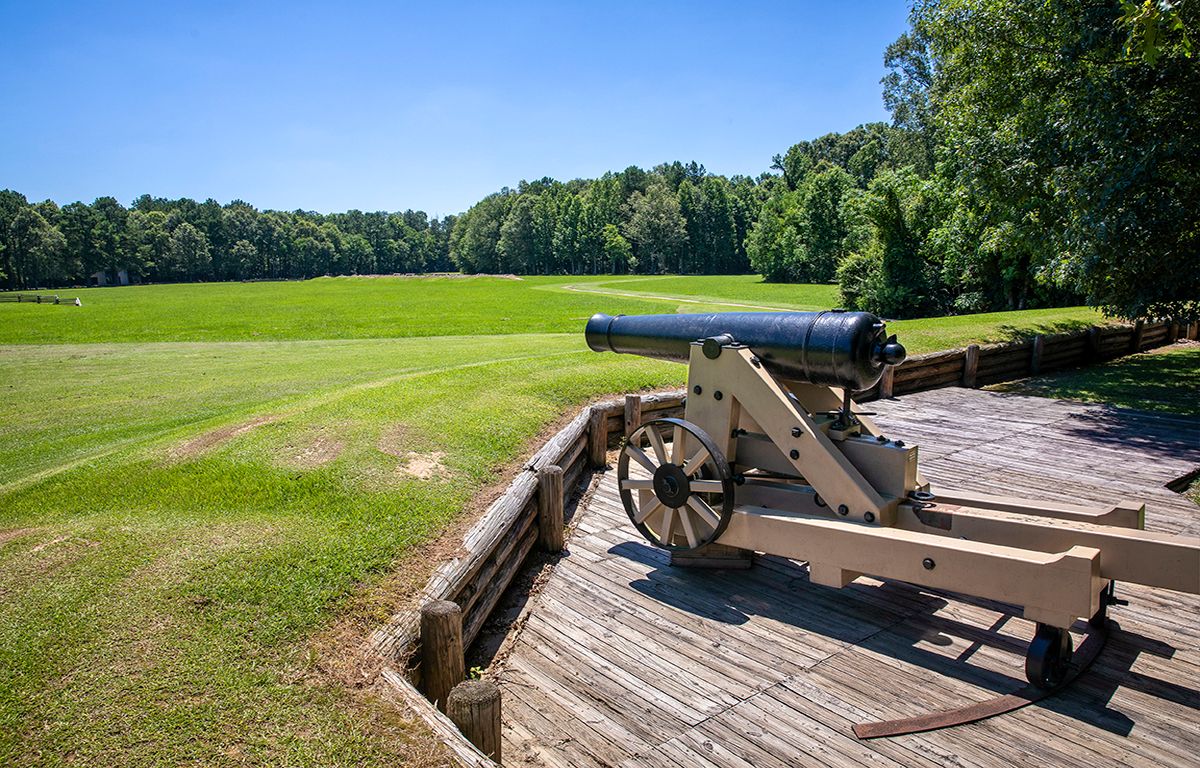
Ever wondered where some of the most pivotal battles of the American Revolution took place? The Southern states hold many secrets from this crucial period in history. From the swamps of South Carolina to the fields of Georgia, these battle sites offer a glimpse into the past. Imagine walking the same grounds where brave soldiers fought for independence. Each location tells a unique story of strategy, bravery, and sacrifice. Whether you're a history buff or just curious, visiting these sites can be a thrilling adventure. Ready to step back in time and explore the Southern battlefields of the American Revolution? Let's dive in!
Secrets of American Revolution's Southern Battle Sites
The Southern Campaign of the American Revolution played a crucial role in the fight for independence. These battle sites hold stories of bravery, strategy, and pivotal moments that shaped the nation's history. Let's journey through some of the most significant Southern battle sites of the American Revolution.
Charleston, South Carolina
Charleston was a key port city and a strategic target for both British and American forces. The Siege of Charleston in 1780 marked a significant British victory, but the city's resilience and eventual recapture were vital to the American cause.
Fort Moultrie: This fort on Sullivan's Island saw a major battle in 1776 where American forces repelled a British naval attack. The victory boosted morale and delayed British plans in the South.
Charleston Harbor: The harbor was the focal point of the 1780 siege. British forces captured the city after a lengthy siege, marking one of the worst American defeats of the war.
Savannah, Georgia
Savannah was another crucial port city. The British captured it in 1778, and it remained under their control until the end of the war, despite several attempts by American and French forces to retake it.
Siege of Savannah: In 1779, American and French forces launched a joint assault to recapture Savannah. Despite their efforts, the siege failed, resulting in heavy casualties.
Old Fort Jackson: This fortification played a role in the defense of Savannah. It stands today as a reminder of the city's strategic importance during the war.
Camden, South Carolina
The Battle of Camden in 1780 was a significant British victory, but it also highlighted the resilience and determination of American forces in the South.
Historic Camden Revolutionary War Site: This site preserves the battlefield where General Horatio Gates faced off against British General Cornwallis. The American defeat was severe, but it led to changes in leadership and strategy.
Battle of Hobkirk's Hill: In 1781, American forces under General Nathanael Greene engaged the British near Camden. Although technically a British victory, it weakened their hold on the region.
Kings Mountain, South Carolina
The Battle of Kings Mountain in 1780 was a turning point in the Southern Campaign. American Patriot militia defeated Loyalist forces, boosting morale and disrupting British plans.
- Kings Mountain National Military Park: This park commemorates the battle and offers a glimpse into the tactics and bravery of the Patriot militia. The victory at Kings Mountain was a significant blow to British efforts in the South.
Cowpens, South Carolina
The Battle of Cowpens in 1781 was a decisive American victory that showcased brilliant tactics and boosted Patriot morale.
- Cowpens National Battlefield: This site preserves the battlefield where General Daniel Morgan's forces used clever tactics to defeat the British. The victory at Cowpens was a turning point in the Southern Campaign.
Guilford Courthouse, North Carolina
The Battle of Guilford Courthouse in 1781 was a Pyrrhic victory for the British. Although they won the battle, the heavy losses weakened their forces significantly.
- Guilford Courthouse National Military Park: This park commemorates the battle and offers insights into the strategies and sacrifices of both sides. The battle's outcome set the stage for the British surrender at Yorktown later that year.
Yorktown, Virginia
The Siege of Yorktown in 1781 was the final major battle of the American Revolution. The combined American and French forces trapped the British, leading to their surrender and the end of the war.
- Yorktown Battlefield: This site marks the location of the decisive siege. The victory at Yorktown secured American independence and remains a symbol of the successful struggle for freedom.
Discovering History Firsthand
Visiting American Revolution's Southern battle sites offers a unique glimpse into the past. These locations, like Cowpens and Guilford Courthouse, tell stories of bravery and strategy. Walking these grounds, you can almost hear the echoes of muskets and the shouts of soldiers. Each site provides a different perspective on the war, from the strategic victories to the harsh realities faced by both sides.
Exploring these historic places isn't just about learning facts. It's about feeling the weight of history and understanding the sacrifices made. Whether you're a history buff or just curious, these battle sites offer a powerful connection to America's fight for independence. So, pack your bags, grab a map, and step back in time. The stories waiting to be discovered are both educational and inspiring.
