

Secrets Of Alligator Nesting In Louisiana’s Lacassine National Wildlife Refuge
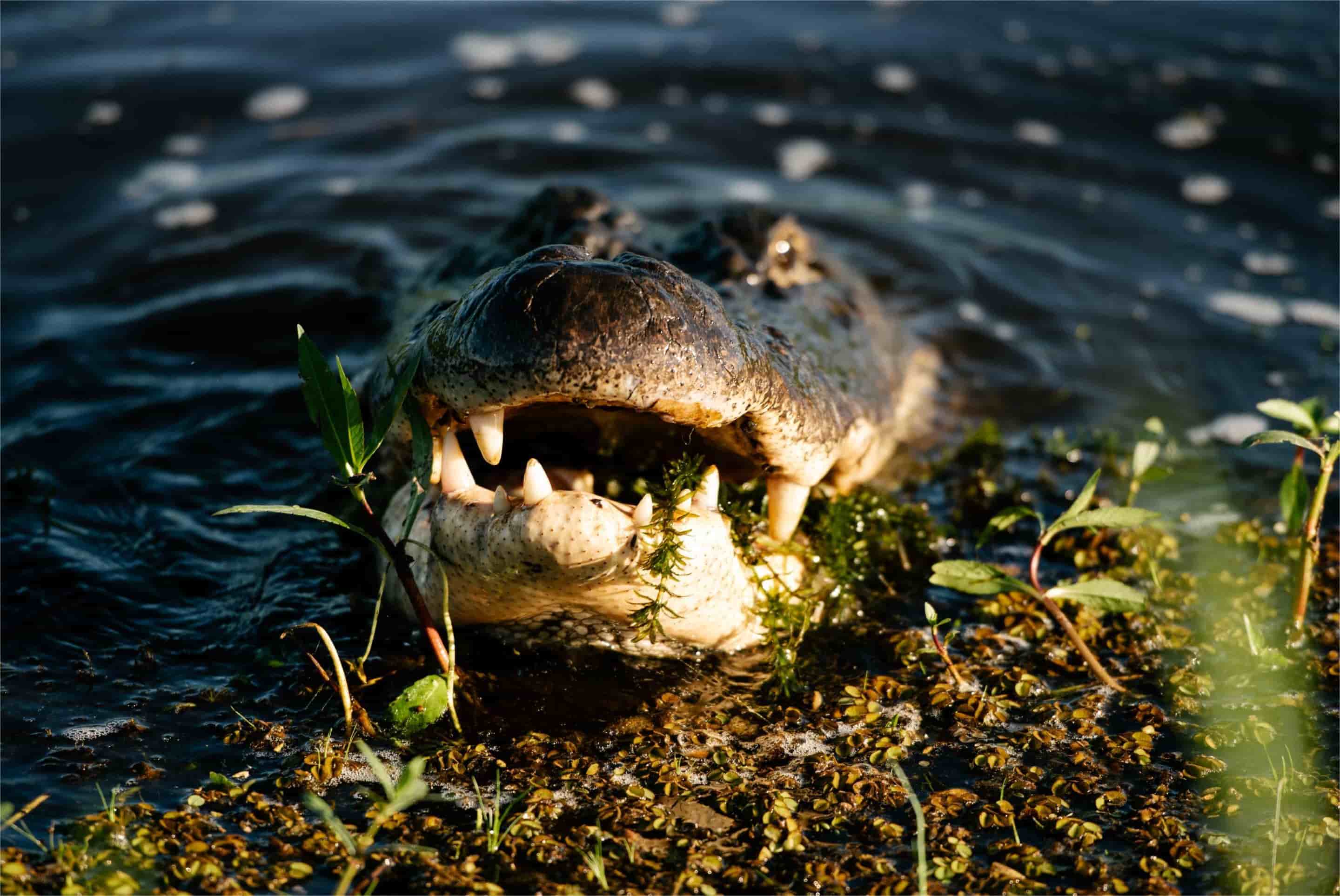
Have you ever wondered where alligators lay their eggs? Louisiana's Lacassine National Wildlife Refuge is a prime spot for these fascinating creatures. This refuge offers a safe haven for alligators to nest and raise their young. During nesting season, female alligators build large mounds of vegetation to protect their eggs. These nests are carefully constructed and guarded fiercely. The refuge provides an ideal environment with its abundant water sources and lush vegetation. Visiting Lacassine gives you a unique chance to observe alligator nesting habits up close. It's an incredible experience for nature lovers and wildlife enthusiasts alike.
Alligator Nesting in Lacassine National Wildlife Refuge
Lacassine National Wildlife Refuge in Louisiana is a haven for wildlife enthusiasts. This refuge is particularly famous for its alligator population. Let's dive into the secrets of alligator nesting in this unique habitat.
What Makes Lacassine Ideal for Alligator Nesting?
Lacassine offers a perfect blend of water, vegetation, and climate, making it an ideal nesting ground for alligators. The refuge's marshes and swamps provide the necessary conditions for alligators to thrive.
Abundant Water Sources
- The refuge is crisscrossed by numerous water bodies, including marshes, swamps, and bayous. These water sources are essential for alligator nesting as they provide a safe environment for laying eggs.
Dense Vegetation
- Thick vegetation in the refuge offers excellent cover for alligator nests. Plants like cattails, reeds, and water lilies create a natural barrier, protecting nests from predators.
Warm Climate
- Louisiana's warm climate is perfect for alligator nesting. The heat helps incubate the eggs, ensuring a higher survival rate for hatchlings.
Alligator Nesting Season
Alligator nesting season in Lacassine typically begins in late spring and continues through summer. During this time, female alligators build nests and lay their eggs.
Nest Building
- Female alligators use their powerful tails and jaws to gather vegetation and mud, creating a mound-like nest. These nests can be up to three feet high and six feet wide.
Egg Laying
- Once the nest is built, the female lays between 20 to 50 eggs. She then covers the eggs with more vegetation to keep them warm and hidden from predators.
Incubation Period
- The eggs incubate for about 65 days. During this period, the temperature inside the nest determines the sex of the hatchlings. Warmer temperatures produce more males, while cooler temperatures result in more females.
Hatchling Survival Strategies
Hatchlings face numerous challenges from the moment they break out of their eggs. Survival strategies are crucial for their growth and development.
Parental Protection
- Female alligators are fiercely protective of their nests and hatchlings. They guard the nest from predators like raccoons, birds, and other alligators.
Camouflage
- Hatchlings have a natural camouflage that helps them blend into their surroundings. Their dark, striped bodies make it difficult for predators to spot them.
Staying Close to Water
- Young alligators stay close to water bodies, where they can quickly escape from threats. Water also provides a rich source of food, essential for their growth.
Threats to Alligator Nests
Despite the protective measures taken by female alligators, nests face several threats that can impact the survival of the eggs and hatchlings.
Predators
- Raccoons, birds, and other alligators are the primary predators of alligator nests. They can easily destroy a nest and eat the eggs if the female is not vigilant.
Flooding
- Heavy rains and flooding can submerge nests, drowning the eggs. This is a significant threat during the nesting season, especially in low-lying areas of the refuge.
Human Disturbance
- Human activities like boating, fishing, and hiking can disturb nesting sites. It's crucial for visitors to respect the wildlife and maintain a safe distance from nests.
Conservation Efforts
Conservation efforts play a vital role in protecting alligator nests and ensuring the survival of this incredible species.
Habitat Protection
- The refuge management works tirelessly to protect and preserve the natural habitat. This includes controlling water levels, managing vegetation, and monitoring alligator populations.
Public Awareness
- Educating the public about the importance of alligator conservation is essential. Visitors are encouraged to follow guidelines and respect the wildlife to minimize human impact.
Research and Monitoring
- Ongoing research and monitoring help scientists understand alligator behavior and nesting patterns. This information is crucial for developing effective conservation strategies.
Lacassine National Wildlife Refuge is a remarkable place where alligators thrive. By understanding their nesting habits and the challenges they face, we can better appreciate and protect these fascinating creatures.
Discovering the Hidden World of Alligator Nesting
Alligator nesting in Louisiana's Lacassine National Wildlife Refuge offers a unique glimpse into the life of these fascinating reptiles. Observing their nesting habits reveals much about their behavior and the delicate balance of the ecosystem. The refuge provides a safe haven for alligators to thrive, ensuring their continued presence in the wild.
Visiting Lacassine not only allows you to witness these incredible creatures but also supports conservation efforts. The refuge's commitment to protecting wildlife and their habitats makes it a vital part of Louisiana's natural heritage.
Next time you're in Louisiana, consider a trip to Lacassine National Wildlife Refuge. You'll gain a deeper appreciation for alligators and the importance of preserving their environment. It's an experience that connects you with nature and highlights the wonders of wildlife conservation.
