

Hidden Treasures Of Louisiana’s Poverty Point World Heritage Site
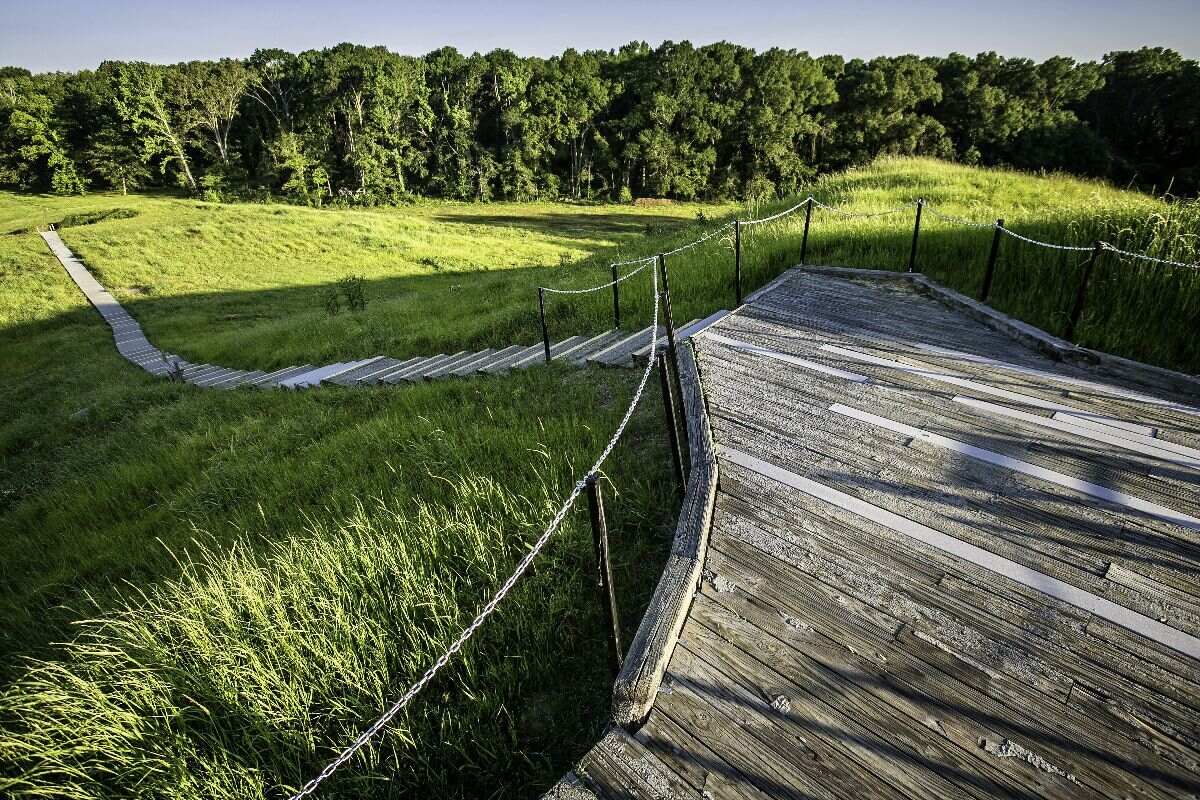
Have you ever wondered about the ancient secrets hidden in Louisiana? Poverty Point World Heritage Site is a place where history comes alive. This archaeological marvel dates back over 3,000 years and offers a glimpse into the lives of early Native American cultures. Imagine walking through massive earthworks, mounds, and ridges that were built without modern tools. The site is not just about old artifacts; it's a testament to human ingenuity and community spirit. Whether you're a history buff or just curious, Poverty Point promises an unforgettable experience. Ready to step back in time and explore this ancient wonder?
Discovering the Mysteries of Poverty Point
Poverty Point, located in northeastern Louisiana, is a UNESCO World Heritage Site that holds secrets of an ancient civilization. This archaeological marvel, dating back over 3,000 years, offers a glimpse into the lives of the indigenous people who once thrived here. Let's uncover some hidden treasures of this fascinating site.
The Enigmatic Earthworks
The earthworks at Poverty Point are a testament to the ingenuity and labor of its ancient inhabitants. These massive structures, built without modern tools, continue to baffle archaeologists and visitors alike.
Mound A: The largest mound at Poverty Point, Mound A, stands 72 feet tall and covers an area of about 7 acres. Its construction required moving an estimated 238,500 cubic yards of soil, all by hand.
Bird Mound: Shaped like a bird in flight, this mound is a unique feature of the site. Its wingspan stretches over 640 feet, showcasing the artistic vision of its builders.
Concentric Ridges: Six semi-elliptical ridges surround the central plaza, creating a series of terraces. These ridges, believed to be residential areas, provide insight into the community's social structure.
Artifacts of a Bygone Era
The artifacts unearthed at Poverty Point reveal the daily lives, trade practices, and artistic expressions of its ancient inhabitants. Each discovery adds a piece to the puzzle of this prehistoric culture.
Poverty Point Objects (PPOs): These small, baked clay balls were used for cooking. By heating them in a fire and placing them in cooking pits, the inhabitants could bake food evenly.
Stone Tools: Despite the lack of local stone resources, the people of Poverty Point crafted intricate tools from imported materials. This indicates a vast trade network stretching across North America.
Beads and Pendants: Made from materials like soapstone, jasper, and copper, these decorative items highlight the craftsmanship and aesthetic sensibilities of the ancient people.
The Role of Trade and Commerce
Poverty Point was a bustling hub of trade and commerce, connecting distant regions through an extensive network. The exchange of goods and ideas played a crucial role in the site's development.
Imported Materials: Artifacts made from materials like copper from the Great Lakes, soapstone from the Appalachian Mountains, and chert from the Ouachita Mountains suggest long-distance trade relationships.
Plummets: These teardrop-shaped stones, believed to be fishing weights or ceremonial objects, were crafted from exotic materials. Their presence at Poverty Point underscores the site's significance in regional trade.
The Cultural Significance
Beyond its physical structures and artifacts, Poverty Point holds immense cultural significance. It stands as a testament to the ingenuity, resilience, and creativity of its ancient inhabitants.
Ceremonial Plaza: The central plaza, surrounded by the concentric ridges, likely served as a gathering place for ceremonies, trade, and social activities. Its design reflects the community's social and spiritual life.
Astronomical Alignments: Some researchers believe that the layout of Poverty Point's mounds and ridges aligns with celestial events, such as solstices and equinoxes. This suggests a sophisticated understanding of astronomy.
Cultural Continuity: The traditions and practices of Poverty Point's inhabitants influenced subsequent cultures in the region. Their legacy lives on in the stories, art, and customs of modern Native American tribes.
Exploring the Natural Beauty
Poverty Point is not just an archaeological site; it is also a place of natural beauty. The surrounding landscape offers a serene backdrop for visitors to reflect on the site's historical significance.
Bayou Macon: This waterway, which flows near Poverty Point, provided a vital resource for the ancient inhabitants. Today, it offers a peaceful setting for canoeing and birdwatching.
Wildlife: The area around Poverty Point is home to diverse wildlife, including deer, foxes, and numerous bird species. Nature enthusiasts will find plenty to admire while exploring the site.
Scenic Trails: Several trails wind through the site, allowing visitors to experience its beauty up close. These paths offer a chance to connect with the landscape that sustained an ancient civilization.
Poverty Point is a treasure trove of history, culture, and natural beauty. Each visit reveals new layers of this ancient wonder, inviting us to ponder the mysteries of the past.
Discovering the Rich History of Poverty Point
Poverty Point offers a unique glimpse into ancient history. This World Heritage Site in Louisiana reveals the ingenuity of its early inhabitants. The mounds and artifacts tell stories of a complex society that thrived thousands of years ago. Walking through the site, you can almost feel the presence of those who once lived there.
Visiting Poverty Point isn't just about seeing old structures. It's about connecting with a past that shaped the region. The site's significance goes beyond its age; it highlights human creativity and resilience. Whether you're a history buff or just curious, Poverty Point provides a fascinating experience.
Plan a trip to this remarkable site. You'll leave with a deeper appreciation for the people who built it and the legacy they left behind. Poverty Point is a treasure worth exploring.
