

Curious Insights Into Louisiana’s Poverty Point Mounds
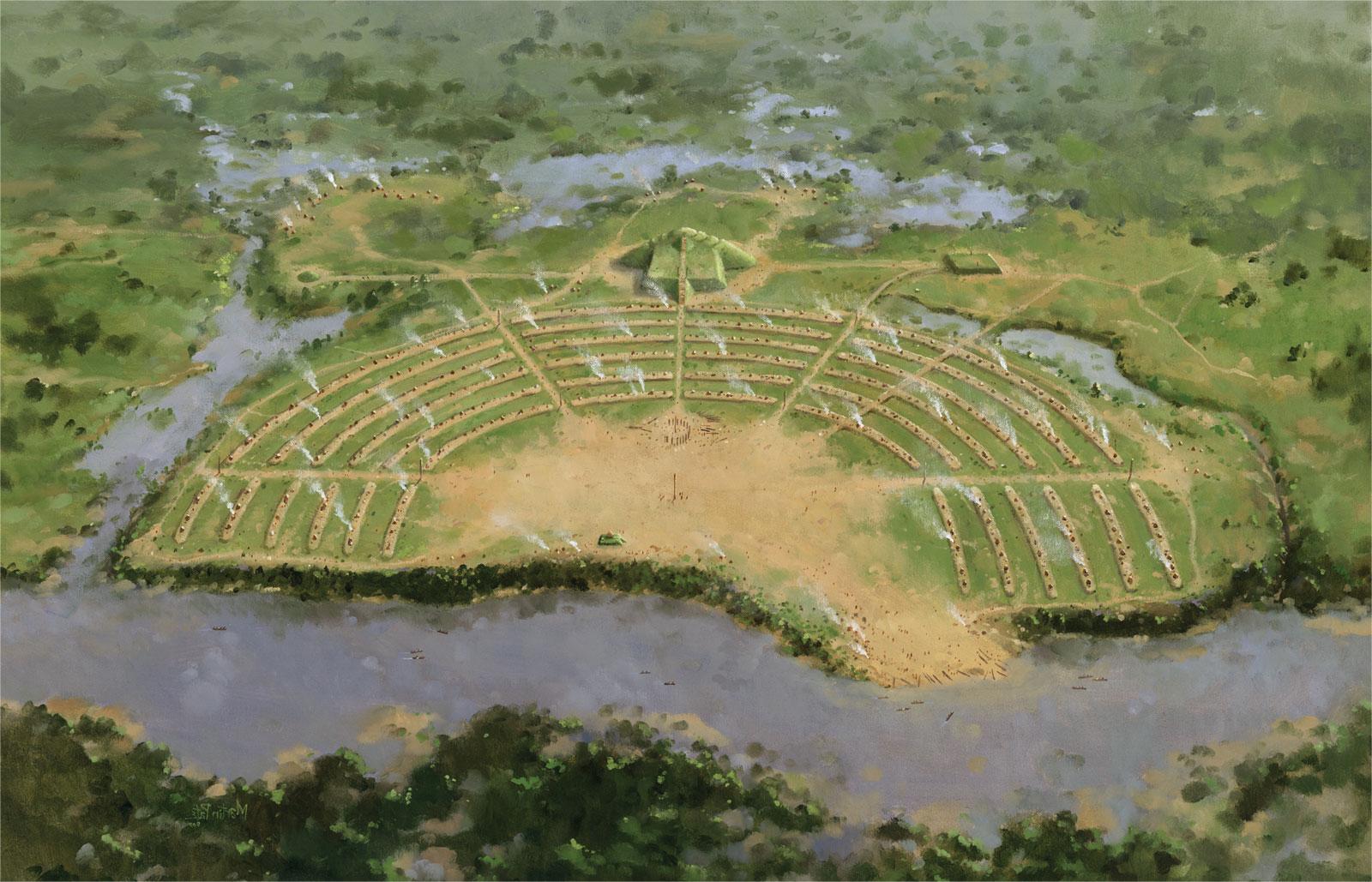
Have you ever wondered about the ancient wonders hidden in the United States? Louisiana's Poverty Point Mounds offer a glimpse into a civilization that thrived over 3,000 years ago. These earthworks, built by Native Americans, are a marvel of engineering and culture. Imagine standing where ancient people once gathered, traded, and lived their daily lives. The mounds are not just piles of dirt; they represent a complex society with advanced knowledge of construction and astronomy. Visiting this UNESCO World Heritage Site can transport you back in time, providing a unique educational experience. Ready to explore this ancient marvel?
Discovering the Ancient Marvels of Poverty Point
Poverty Point in Louisiana is a historical gem. This ancient site, dating back over 3,000 years, offers a glimpse into the lives of early Native American cultures. The mounds and artifacts found here tell a story of a sophisticated society with complex trade networks and impressive engineering skills. Let's explore some of the key features of this fascinating site.
The Enigmatic Mounds
The mounds at Poverty Point are the most striking features of the site. These earthen structures were built by hand, using baskets to carry the soil. Each mound has its own unique shape and purpose, reflecting the ingenuity of the people who built them.
Mound A: Also known as the Bird Mound, this is the largest mound at Poverty Point. Shaped like a bird in flight, it stands 70 feet tall and covers an area of about 500,000 square feet. The sheer size and precision of this mound are awe-inspiring.
Mound B: This smaller mound is thought to have been used for ceremonial purposes. Its flat top suggests it may have been a platform for important gatherings or rituals.
Mound C: Located near the center of the site, Mound C is believed to have been a residential area. Archaeologists have found evidence of structures and artifacts that suggest people lived and worked here.
Mound D: This mound is unique because of its circular shape. It may have served as a gathering place for the community, possibly for social or religious events.
Mound E: Also known as the Ball Court Mound, this structure is thought to have been used for games or sports. Its flat, open area would have been perfect for activities that brought the community together.
The Intricate Earthworks
Beyond the mounds, Poverty Point is also known for its intricate earthworks. These features include ridges, ditches, and other formations that reveal the advanced engineering skills of the site's inhabitants.
The Plaza: At the heart of Poverty Point lies a large, open plaza. This area was likely the center of community life, where people gathered for markets, ceremonies, and other events.
The Ridges: Surrounding the plaza are six concentric ridges. These ridges were built in a semi-circular pattern and may have served as living areas or agricultural terraces. The layout of the ridges suggests a well-organized community with a clear plan for land use.
The Causeway: Connecting the site to nearby waterways, the causeway is a testament to the ingenuity of Poverty Point's builders. This raised pathway would have facilitated trade and transportation, linking the community to a broader network of cultures.
Artifacts and Trade Networks
The artifacts found at Poverty Point provide valuable insights into the daily lives and trade practices of its inhabitants. These items reveal a complex society with far-reaching connections.
Stone Tools: Many of the tools found at Poverty Point were made from materials not native to the area. This suggests that the people engaged in long-distance trade, acquiring goods from as far away as the Great Lakes and the Appalachian Mountains.
Pottery: The pottery discovered at the site is both functional and decorative. Some pieces feature intricate designs, indicating a high level of craftsmanship and artistic expression.
Jewelry: Items such as beads and pendants made from exotic materials like copper and shell highlight the wealth and status of certain individuals within the community.
Figurines: Small clay figurines found at Poverty Point offer a glimpse into the spiritual and cultural beliefs of its people. These artifacts may have been used in rituals or as symbols of important deities.
The Legacy of Poverty Point
Poverty Point is more than just an archaeological site; it is a testament to the ingenuity and resilience of early Native American cultures. The mounds, earthworks, and artifacts found here provide a window into a sophisticated society that thrived long before European contact. By studying Poverty Point, we gain a deeper understanding of the rich history and cultural heritage of the region.
The Legacy of Poverty Point Mounds
Poverty Point Mounds stand as a testament to the ingenuity and resilience of ancient cultures. These earthworks, built thousands of years ago, reveal much about the people who lived there. They were skilled in construction, trade, and community organization. Visiting this site offers a glimpse into a world long past, yet still relevant today. The mounds remind us of the importance of preserving history and learning from it. They also highlight the rich cultural heritage of Louisiana, often overshadowed by more modern attractions. Exploring Poverty Point Mounds can be a rewarding experience, providing both education and inspiration. Whether you're a history buff or just curious, this site has something to offer. So next time you're in Louisiana, make sure to add Poverty Point Mounds to your itinerary. You'll walk away with a deeper appreciation for the ancient world and its lasting impact.
