

Secrets Of Kentucky’s Underground River Water Quality
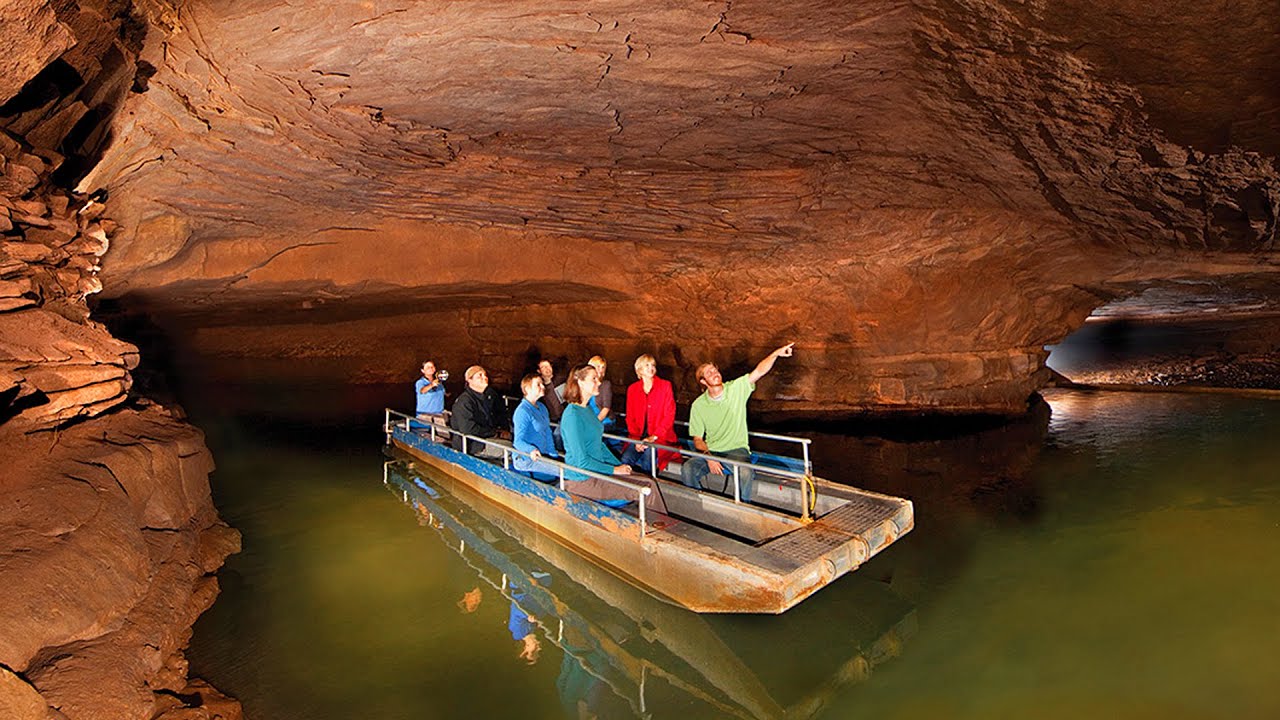
Have you ever wondered about the water quality of Kentucky's underground rivers? These hidden waterways are not just fascinating; they play a crucial role in the ecosystem. Kentucky is home to some of the most extensive cave systems in the world, including Mammoth Cave. The water flowing through these underground rivers is vital for both wildlife and human use. Understanding the quality of this water helps ensure it remains safe and clean. From natural filtration to human impact, many factors influence the purity of these subterranean streams. Let's dive into what makes Kentucky's underground river water so unique and important.
Kentucky's Hidden Waterways
Kentucky is known for its beautiful landscapes, but beneath its rolling hills lies a network of underground rivers. These hidden waterways are not just natural wonders; they also play a crucial role in the state's water quality. Let's dive into some of the most fascinating underground rivers in Kentucky and explore their unique features.
1. Mammoth Cave System
The Mammoth Cave System is the longest cave system in the world, stretching over 400 miles. This underground labyrinth is home to several rivers that contribute to the region's water quality.
- Green River: Flowing through the cave, the Green River helps filter pollutants and provides a habitat for unique aquatic species.
- Echo River: Known for its crystal-clear waters, Echo River supports a diverse ecosystem and offers a glimpse into the underground world.
2. Lost River Cave
Lost River Cave, located in Bowling Green, is a seven-mile-long cave system with an underground river that has fascinated explorers for centuries.
- Blue Hole: This stunning pool of water is fed by the underground river and is known for its vibrant blue color, which indicates high water quality.
- Boat Tours: Visitors can take boat tours through the cave, experiencing the underground river firsthand and learning about its importance to the local environment.
3. Sloans Valley Cave System
The Sloans Valley Cave System is another extensive underground network in Kentucky, featuring rivers that play a vital role in maintaining water quality.
- Sloans Valley Stream: This underground stream helps filter water as it flows through the cave, supporting a variety of plant and animal life.
- Cave Springs: Emerging from the cave, these springs provide clean, fresh water to the surrounding area, demonstrating the importance of underground rivers in water purification.
4. Hidden River Cave
Hidden River Cave, located in Horse Cave, is a remarkable underground river system that has been restored to its former glory after years of pollution.
- Restoration Efforts: Extensive cleanup efforts have improved water quality, making the underground river a model for environmental restoration.
- Educational Programs: The cave offers educational programs that teach visitors about the importance of water quality and the role of underground rivers in maintaining it.
5. Cumberland Caverns
Cumberland Caverns, though primarily known for its stunning rock formations, also features an underground river that contributes to the area's water quality.
- Underground Lake: This lake within the cave system is fed by the underground river and serves as a natural reservoir, helping to maintain water levels and quality.
- Water Filtration: The underground river acts as a natural filter, removing impurities and supporting a healthy ecosystem within the cave.
6. Carter Caves State Resort Park
Carter Caves State Resort Park is home to several caves with underground rivers that play a crucial role in the park's water quality.
- Bat Cave: This cave features an underground river that supports a diverse array of wildlife, including bats that rely on clean water for survival.
- Cascade Cave: Known for its beautiful waterfalls, Cascade Cave's underground river helps maintain the park's water quality by filtering pollutants and providing fresh water to the surrounding area.
7. Great Saltpetre Cave
Great Saltpetre Cave, located in Rockcastle County, has an underground river that has been essential to the area's water quality for centuries.
- Historical Significance: The cave's underground river was historically used for saltpeter mining, which played a crucial role in the production of gunpowder.
- Modern Importance: Today, the underground river continues to support local water quality by filtering pollutants and providing a habitat for unique species.
8. Colossal Cave
Colossal Cave, though less well-known, features an underground river that significantly impacts the local water quality.
- Natural Filtration: The underground river acts as a natural filtration system, removing impurities and supporting a healthy ecosystem within the cave.
- Research Opportunities: Scientists study the underground river to understand better how these hidden waterways contribute to water quality and ecosystem health.
Kentucky's underground rivers are more than just natural wonders; they are vital to the state's water quality and environmental health. Exploring these hidden waterways offers a unique glimpse into the intricate systems that sustain life above and below ground.
Kentucky's Hidden Gem
Kentucky's underground rivers offer more than just stunning views. These waterways are crucial for the region's ecosystem and provide clean drinking water. Maintaining their quality involves monitoring pollution, managing land use, and protecting natural habitats. Efforts from local communities and environmental organizations play a significant role in preserving these underground treasures.
Exploring these rivers can be a unique adventure, but it's essential to respect and protect them. Simple actions like reducing waste and supporting conservation initiatives can make a big difference. Kentucky's underground rivers are a hidden gem worth preserving for future generations.
Next time you're in Kentucky, consider visiting these natural wonders. You'll not only enjoy their beauty but also contribute to their conservation. Protecting these rivers ensures they remain a vital resource for both people and wildlife.
