

Secrets Of Kentucky’s Underground Cave Research Programs
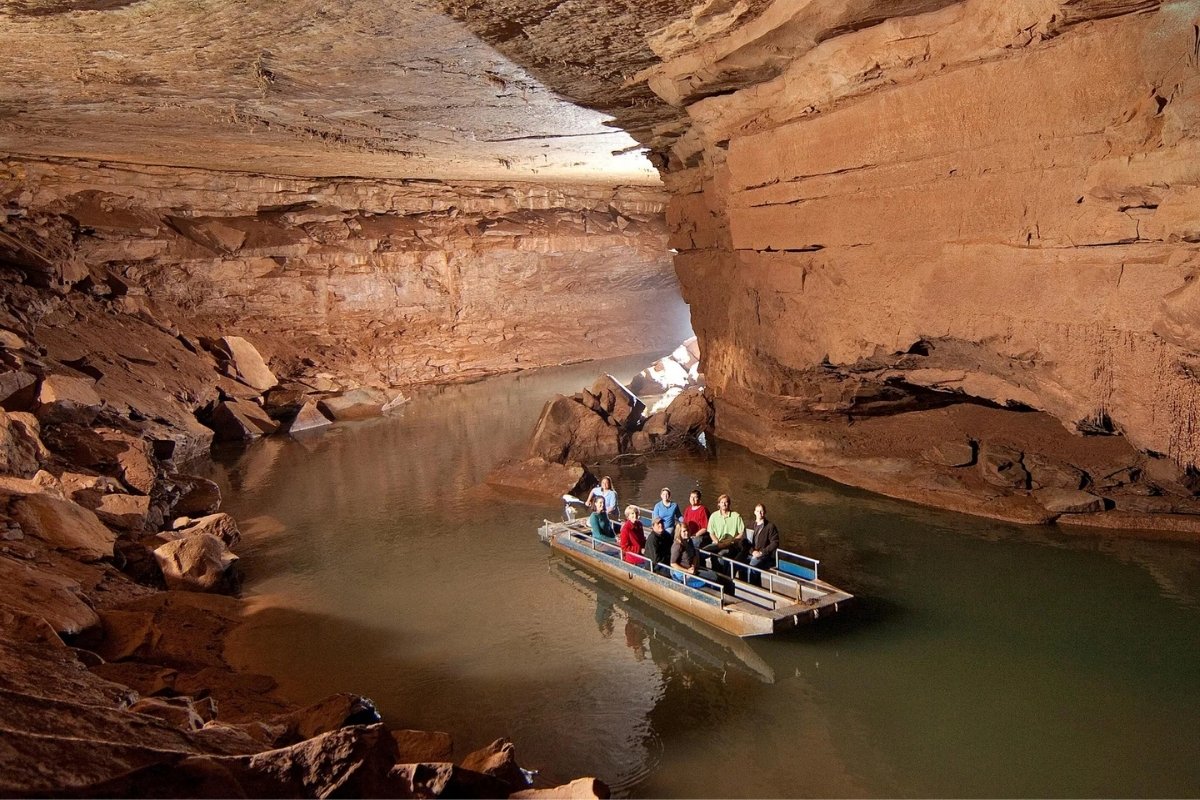
Have you ever wondered what lies beneath Kentucky's rolling hills? Kentucky's underground cave research programs offer a glimpse into a hidden world. These programs study the state's extensive cave systems, revealing secrets about geology, biology, and history. From Mammoth Cave, the world's longest cave system, to smaller, lesser-known caverns, each offers unique insights. Researchers and explorers work together to map these underground wonders, study rare species, and understand ancient formations. Whether you're a science enthusiast or just curious, learning about these programs can spark a sense of adventure. Ready to dive into the mysteries of Kentucky's underground caves?
Kentucky's Hidden Underground Wonders
Kentucky is famous for its rolling hills, horse farms, and bourbon. But beneath its surface lies a hidden world of caves waiting to be explored. These underground wonders are not just for tourists; they are also the focus of fascinating research programs. Let's dive into the secrets of Kentucky's underground cave research programs.
Mammoth Cave National Park
Mammoth Cave is the world's longest cave system, with over 400 miles of explored passageways. Researchers here study everything from geology to biology.
- Cave Mapping: Scientists use advanced technology to map the cave's extensive network, helping to uncover new passages and understand its formation.
- Biodiversity Studies: Biologists study the unique species that inhabit the cave, including rare blind fish and cave crickets.
- Climate Research: The cave's stable environment provides a perfect setting for studying climate change over millennia.
Carter Caves State Resort Park
Carter Caves offers a mix of adventure and research opportunities. This park is home to numerous caves, each with its own unique features.
- Speleology: Researchers study the formation and development of caves, focusing on the park's limestone structures.
- Archaeology: The caves have been used by humans for thousands of years. Archaeologists study artifacts to learn about early inhabitants.
- Hydrology: Scientists examine the underground rivers and streams, understanding how water shapes the caves and affects the ecosystem.
Hidden River Cave and American Cave Museum
Hidden River Cave is both a research site and an educational facility. The American Cave Museum offers insights into the science of speleology.
- Water Quality Monitoring: Researchers monitor the water quality of the underground river, studying pollution and its effects on the cave ecosystem.
- Bat Studies: The cave is home to several bat species. Biologists study their behavior, population dynamics, and role in the ecosystem.
- Educational Programs: The museum offers programs that teach visitors about cave science, conservation, and the importance of protecting these natural wonders.
Lost River Cave
Lost River Cave is known for its underground boat tours, but it also serves as a research hub.
- Karst Topography: Geologists study the karst landscape, characterized by sinkholes, underground rivers, and caves.
- Paleontology: Fossils found in the cave provide clues about the region's ancient past, including the types of animals that once roamed the area.
- Conservation Efforts: Researchers work on conservation projects to protect the cave and its unique ecosystem from human impact.
Sloans Valley Cave System
Sloans Valley is one of Kentucky's lesser-known cave systems, but it offers rich research opportunities.
- Geological Surveys: Geologists conduct surveys to understand the cave's formation and the types of rock found within.
- Speleothem Analysis: Scientists study the cave's speleothems (stalactites and stalagmites) to learn about past climate conditions.
- Microbial Life: Microbiologists explore the cave's microbial life, discovering new species and understanding their role in the ecosystem.
Conclusion
Kentucky's underground caves are more than just tourist attractions; they are vital research sites that help scientists understand our planet's history, climate, and biodiversity. Whether it's mapping new passages, studying ancient fossils, or monitoring water quality, the research conducted in these caves is invaluable.
Kentucky's Underground Wonders Await
Kentucky's underground cave research programs offer a unique glimpse into a hidden world. These programs not only advance scientific knowledge but also provide exciting opportunities for exploration. Visiting these caves, you'll witness stunning formations and learn about the delicate ecosystems thriving below the surface. Researchers work tirelessly to uncover new discoveries, making each visit a chance to see something extraordinary.
Whether you're a science enthusiast or just looking for an adventure, Kentucky's caves have something for everyone. The blend of natural beauty and scientific inquiry creates an unforgettable experience. So next time you're in Kentucky, don't miss the chance to explore these underground wonders. You'll leave with a deeper appreciation for the mysteries that lie beneath our feet. Kentucky's caves are waiting to be discovered, offering a journey into the unknown that you won't soon forget.
