Secrets Of Kentucky’s Mammoth Dome Chambers
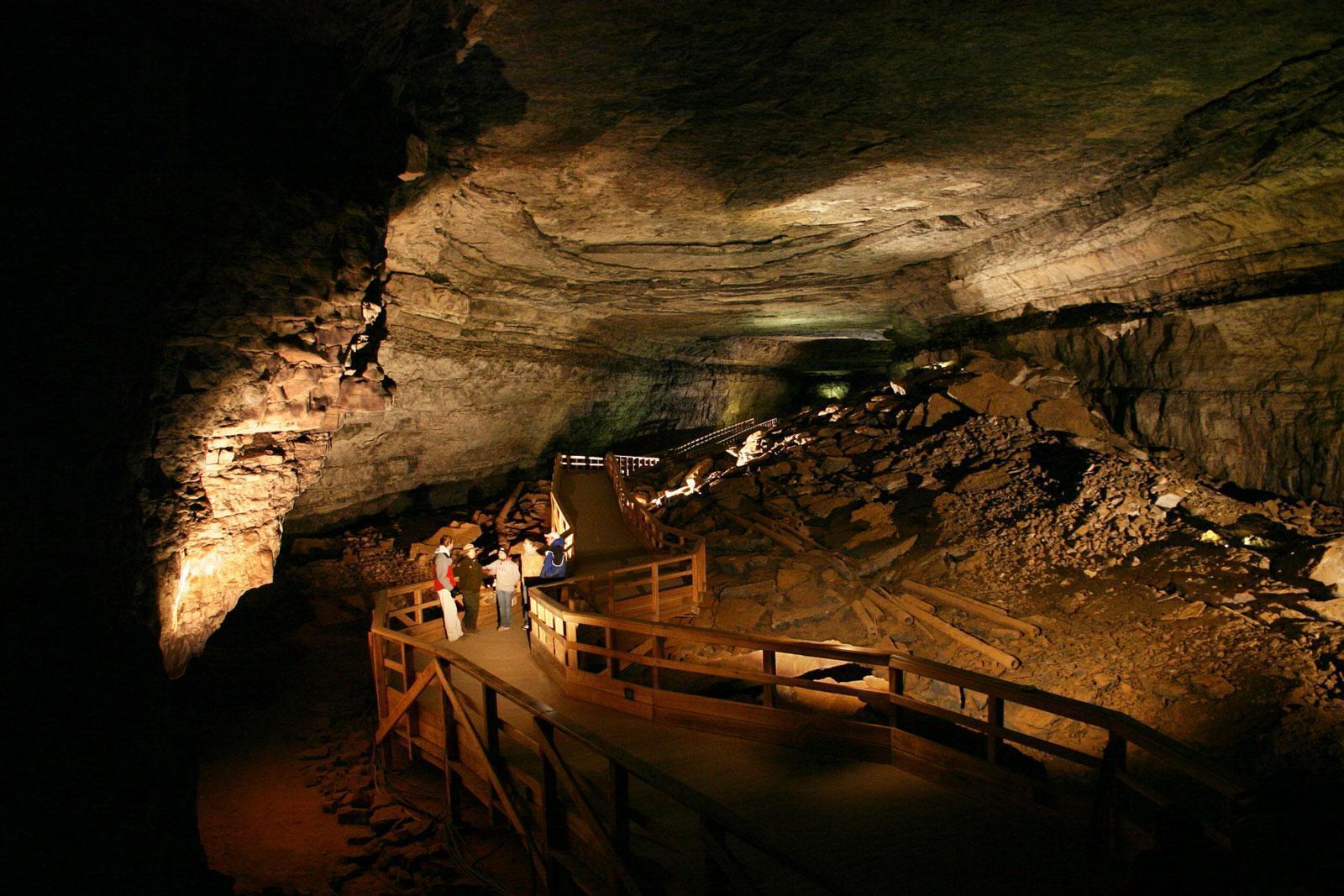
Have you ever wondered what lies beneath the rolling hills of Kentucky? Mammoth Cave holds the answer. This incredible cave system, the longest in the world, stretches over 400 miles. Within its depths, you'll find the Mammoth Dome Chambers, vast underground rooms that leave visitors in awe. These chambers are not just big; they are colossal, with ceilings soaring over 192 feet high. Imagine standing in a space so large it feels like an underground cathedral. Whether you're an adventure seeker or a history buff, Mammoth Cave offers a unique experience. Ready to learn more about this natural wonder? Let's dive into the secrets of Mammoth Dome Chambers.
Secrets of Kentucky's Mammoth Dome Chambers
Kentucky's Mammoth Cave National Park is a wonderland of underground marvels. The Mammoth Dome Chambers, in particular, hold some of the most breathtaking sights. Let's dive into the secrets these chambers hold.
The Grand Scale
The Mammoth Dome Chambers are known for their immense size. These chambers are some of the largest in the world, and their sheer scale is awe-inspiring.
Mammoth Dome: Standing at 192 feet tall, Mammoth Dome is one of the tallest underground chambers in the world. The height of this chamber is equivalent to a 19-story building.
Frozen Niagara: This chamber features stunning formations that resemble a frozen waterfall. The intricate patterns and shapes make it a favorite among visitors.
Cleveland Avenue: Stretching over a mile long, Cleveland Avenue is one of the longest passages in Mammoth Cave. The vastness of this chamber is truly remarkable.
Unique Formations
The Mammoth Dome Chambers are home to some of the most unique and beautiful formations found in any cave system.
Stalactites and Stalagmites: These formations are created by the slow dripping of mineral-rich water. Over thousands of years, they grow into stunning shapes that decorate the chambers.
Gypsum Flowers: These delicate formations look like flowers made of crystal. They are formed by the evaporation of water, leaving behind intricate patterns of gypsum.
Helictites: Unlike stalactites and stalagmites, helictites grow in all directions. Their twisted, spiraling shapes make them one of the most fascinating formations in the cave.
Hidden Passages
The Mammoth Dome Chambers are filled with hidden passages and secret tunnels. Exploring these hidden areas can lead to some amazing discoveries.
Fat Man's Misery: This narrow passage requires visitors to squeeze through tight spaces. Despite the challenge, it leads to some of the most beautiful parts of the cave.
Tall Man's Agony: This passage is the opposite of Fat Man's Misery. It requires visitors to duck and crawl through low ceilings, but the reward is worth it.
Crystal Lake: Hidden deep within the cave, Crystal Lake is a stunning underground lake. The clear, still water reflects the cave formations, creating a magical scene.
Historical Significance
The Mammoth Dome Chambers have a rich history that dates back thousands of years. They have been used by humans for various purposes throughout history.
Native American Artifacts: Archaeologists have found evidence of Native American presence in the cave, including tools and artwork. These artifacts provide a glimpse into the lives of the cave's earliest inhabitants.
Saltpeter Mining: During the War of 1812, the cave was used for mining saltpeter, a key ingredient in gunpowder. The remnants of this mining operation can still be seen today.
Tourism History: Mammoth Cave has been a popular tourist destination since the early 1800s. The history of tourism in the cave is filled with fascinating stories and legends.
Wildlife Wonders
The Mammoth Dome Chambers are not just home to stunning rock formations; they also host a variety of unique wildlife.
Cave Crickets: These small, wingless insects are adapted to life in the dark. They play a crucial role in the cave ecosystem.
Eyeless Fish: These fish have adapted to the complete darkness of the cave by losing their eyesight. They navigate using other senses, such as touch and smell.
Bats: Several species of bats call the Mammoth Dome Chambers home. They roost in the cave during the day and emerge at night to hunt for insects.
Geological Marvels
The geological features of the Mammoth Dome Chambers are a testament to the power of nature. The processes that created these chambers took millions of years.
Limestone Layers: The cave is primarily made of limestone, which was formed from ancient sea beds. The layers of limestone tell the story of the Earth's geological history.
Erosion and Deposition: The cave was formed by the slow erosion of limestone by water. Over time, the water deposited minerals that created the stunning formations seen today.
Cave Rivers: Underground rivers flow through the cave, carving out new passages and shaping the chambers. These rivers are a vital part of the cave's ongoing formation.
Discover the Magic of Mammoth Dome Chambers
Kentucky's Mammoth Dome Chambers offer an unforgettable experience. The vast caverns, stunning rock formations, and rich history make it a must-visit. Exploring these chambers, you'll find yourself immersed in natural beauty and geological wonders. Each turn reveals something new, from towering stalagmites to intricate cave systems.
Planning a trip here is easy. Guided tours provide insights and ensure safety. Whether you're an adventure seeker or a history buff, there's something for everyone. The chambers are a testament to nature's power and beauty.
Don't miss out on this unique destination. Pack your bags, grab your camera, and head to Kentucky. The Mammoth Dome Chambers await, ready to leave you in awe. Experience the magic and create memories that will last a lifetime. Kentucky's hidden gem is calling.