

Secrets Of Kentucky’s Mammoth Cave Research Facilities
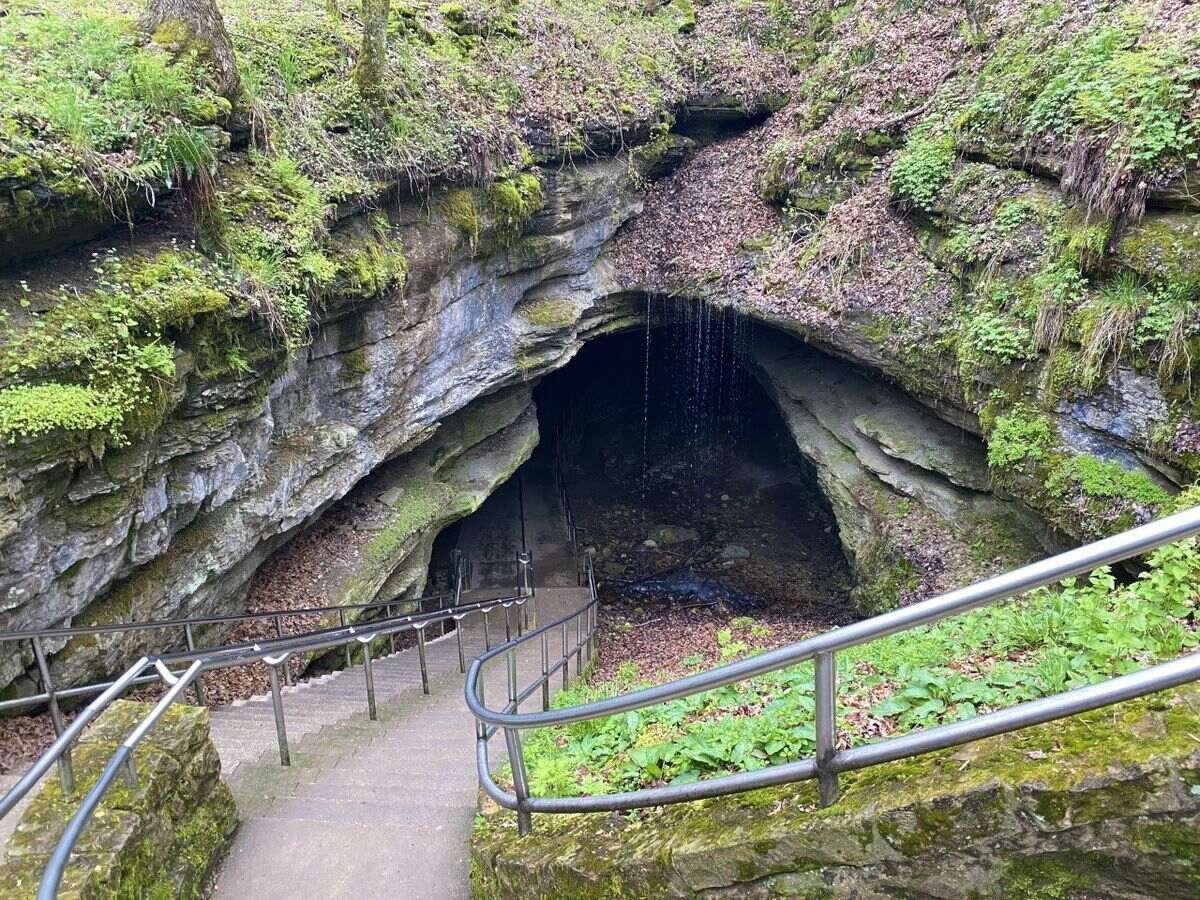
Have you ever wondered what lies beneath the surface of Kentucky's Mammoth Cave? This natural wonder isn't just famous for its stunning underground beauty. It's also home to some of the most advanced research facilities in the world. Scientists from various fields flock here to study unique geological formations, rare ecosystems, and even ancient human artifacts. These research facilities provide invaluable insights into our planet's history and help us understand the delicate balance of its ecosystems. Whether you're a science enthusiast or just curious about the hidden aspects of this famous cave, there's a lot to learn and appreciate.
Secrets of Kentucky's Mammoth Cave Research Facilities
Kentucky's Mammoth Cave is a world-renowned natural wonder, but did you know it also houses some fascinating research facilities? These hidden gems contribute to our understanding of geology, biology, and even climate science. Let's take a closer look at some of these intriguing places.
The Cave Research Foundation
The Cave Research Foundation (CRF) is a non-profit organization dedicated to the study and preservation of caves. Their work in Mammoth Cave is crucial for scientific research and conservation efforts.
Research Library: The CRF maintains an extensive library filled with books, maps, and research papers about caves worldwide. This resource is invaluable for researchers and students alike.
Field Station: Located near the cave entrance, the field station serves as a base for scientists conducting fieldwork. It provides essential amenities like labs, sleeping quarters, and meeting rooms.
The Mammoth Cave International Center for Science and Learning
This center is a partnership between the National Park Service and Western Kentucky University. It aims to promote scientific research and education related to Mammoth Cave.
Geology Lab: Equipped with state-of-the-art tools, this lab allows researchers to study the cave's unique geological formations. It helps scientists understand the cave's history and formation processes.
Biology Lab: This lab focuses on the cave's diverse ecosystem. Researchers study cave-dwelling species, some of which are found nowhere else on Earth.
The National Park Service's Research Facilities
The National Park Service (NPS) plays a significant role in managing and preserving Mammoth Cave. Their research facilities are essential for ongoing conservation efforts.
Climate Monitoring Station: This station collects data on temperature, humidity, and other climate variables. The information helps scientists understand how climate change affects the cave environment.
Hydrology Lab: Water is a crucial element in cave formation. This lab studies the cave's water systems, including underground rivers and lakes, to ensure their protection.
Western Kentucky University's Research Contributions
Western Kentucky University (WKU) collaborates with the National Park Service and other organizations to conduct research in Mammoth Cave. Their contributions are vital for advancing our knowledge of this natural wonder.
Speleology Program: WKU offers a specialized program in speleology, the study of caves. Students and faculty conduct research projects in Mammoth Cave, contributing to the broader scientific community.
Environmental Education Center: This center provides educational programs for students and the public. It aims to raise awareness about the importance of cave conservation and the scientific research conducted in Mammoth Cave.
The Role of Citizen Scientists
Citizen scientists play a crucial role in Mammoth Cave research. Volunteers from various backgrounds contribute their time and skills to assist with scientific studies.
Cave Mapping Projects: Volunteers help map unexplored sections of the cave. Their work is essential for understanding the cave's full extent and discovering new areas for research.
Biodiversity Surveys: Citizen scientists participate in surveys to document the cave's flora and fauna. Their efforts help track changes in the cave's ecosystem over time.
Collaborative Research Efforts
Collaboration is key to the success of research in Mammoth Cave. Various organizations and institutions work together to achieve common goals.
Joint Research Initiatives: Collaborative projects between the NPS, CRF, and universities lead to groundbreaking discoveries. These partnerships enhance our understanding of the cave and its significance.
International Collaborations: Scientists from around the world come to Mammoth Cave to conduct research. These international collaborations bring diverse perspectives and expertise to the study of this unique environment.
Discovering the Depths of Mammoth Cave
Mammoth Cave's research facilities offer a unique glimpse into the world's longest cave system. Scientists and explorers work together to uncover its secrets, from ancient fossils to unique ecosystems. These efforts not only advance our understanding of geology and biology but also help preserve this natural wonder for future generations.
Visiting Mammoth Cave provides an opportunity to see these discoveries firsthand. Guided tours take you through stunning underground landscapes while sharing insights from ongoing research. Whether you're a science enthusiast or just love adventure, Mammoth Cave has something to offer.
Plan your trip to Mammoth Cave and experience the blend of natural beauty and scientific discovery. It's a journey into the heart of one of Earth's most fascinating places, where every visit reveals something new. Don't miss out on exploring this incredible underground world.
