

Secrets Of Kentucky’s Mammoth Cave Microbiology
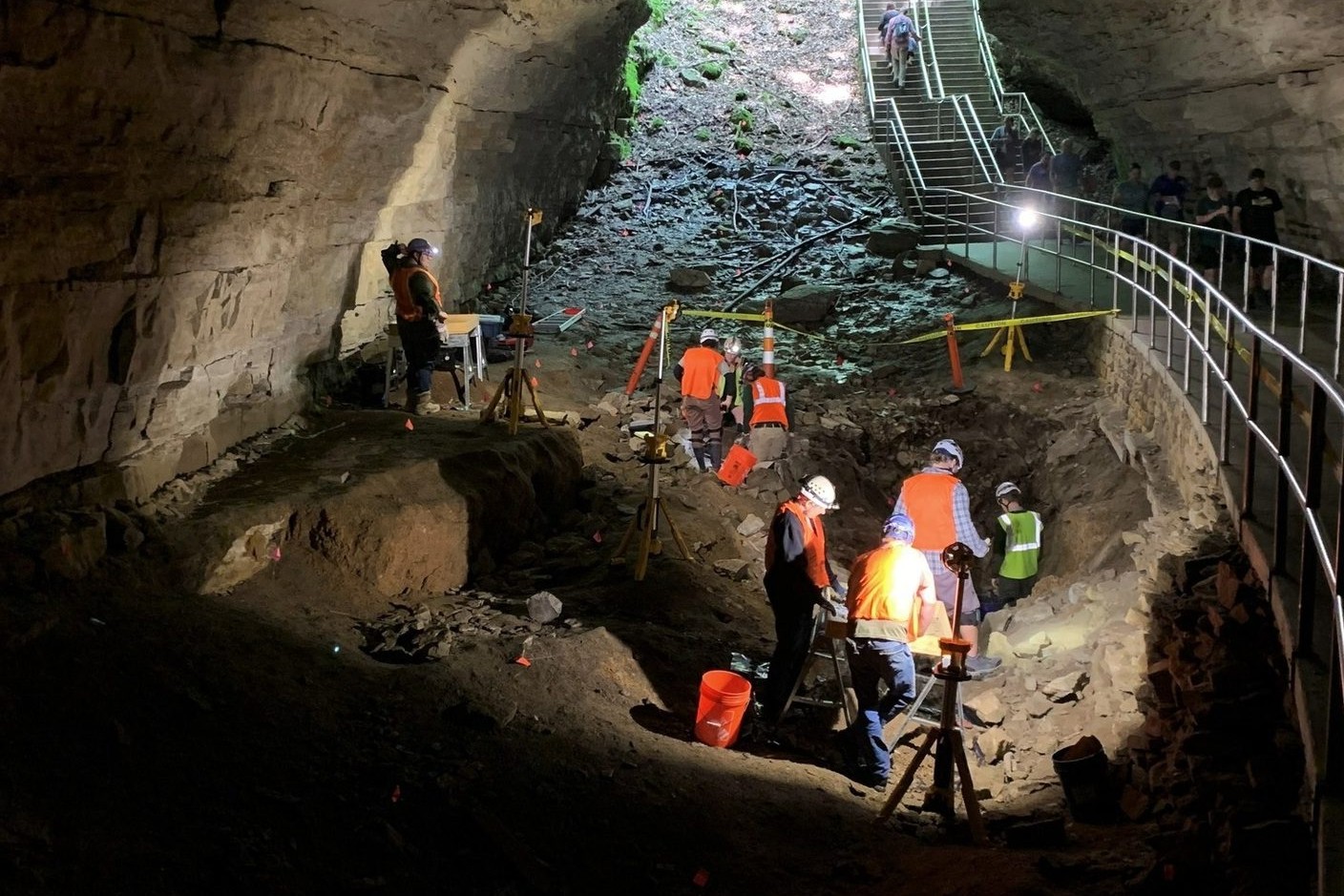
Have you ever wondered what lies beneath the surface of Kentucky's Mammoth Cave? This incredible cave system, known for its vast underground passages, holds more than just stunning rock formations. Hidden within its depths is a world teeming with unique microorganisms. These tiny life forms thrive in the dark, damp environment, offering scientists a glimpse into life in extreme conditions. Studying the microbiology of Mammoth Cave can reveal secrets about Earth's history and even potential life on other planets. Join us as we delve into the fascinating world of these microscopic inhabitants and uncover the mysteries they hold.
The Hidden World Beneath Kentucky
Kentucky's Mammoth Cave is a marvel of nature, but what lies beneath its surface is equally fascinating. The cave's unique environment has given rise to a variety of microorganisms that thrive in its dark, damp corridors. Let's dive into the secrets of Mammoth Cave's microbiology.
Microbial Diversity in Mammoth Cave
The cave's ecosystem is home to a wide range of microorganisms, each adapted to the unique conditions found underground. Here are some of the most intriguing microbial inhabitants:
Actinobacteria
These bacteria are known for their ability to produce antibiotics. In the cave, they play a crucial role in breaking down organic matter, contributing to the nutrient cycle.Fungi
Fungi in Mammoth Cave are essential decomposers. They break down dead plant and animal material, recycling nutrients back into the ecosystem.Proteobacteria
This diverse group includes bacteria that can fix nitrogen, making it available for other organisms. They are vital for maintaining the cave's nutrient balance.
Adaptations to the Cave Environment
Microorganisms in Mammoth Cave have developed unique adaptations to survive in the harsh conditions. These adaptations include:
Biofilm Formation
Many bacteria form biofilms, which are protective layers that help them adhere to surfaces and resist environmental stress.Spore Formation
Some bacteria and fungi produce spores, allowing them to survive periods of extreme conditions and germinate when conditions improve.Chemolithotrophy
Certain bacteria can derive energy from inorganic compounds, a useful adaptation in an environment with limited organic material.
The Role of Microorganisms in Cave Formation
Microorganisms are not just passive inhabitants; they actively contribute to the cave's formation and maintenance. Their activities include:
Carbonate Precipitation
Some bacteria can precipitate calcium carbonate, contributing to the formation of stalactites and stalagmites.Sulfur Cycling
Sulfur-oxidizing bacteria play a role in the cave's sulfur cycle, influencing the cave's chemistry and mineral composition.Organic Matter Decomposition
Microorganisms break down organic matter, preventing the accumulation of debris and maintaining the cave's cleanliness.
Research and Discoveries
Ongoing research in Mammoth Cave continues to uncover new microbial species and their roles in the ecosystem. Some recent discoveries include:
Novel Antibiotic-Producing Bacteria
Scientists have identified new strains of bacteria that produce antibiotics, offering potential for medical applications.Extremophiles
Researchers have found extremophiles, organisms that thrive in extreme conditions, providing insights into the limits of life on Earth.Microbial Interactions
Studies have revealed complex interactions between different microbial species, highlighting the importance of microbial communities in maintaining ecosystem stability.
The Future of Microbial Research in Mammoth Cave
The study of Mammoth Cave's microbiology is far from complete. Future research aims to:
Explore Uncharted Areas
Scientists plan to explore deeper and less accessible parts of the cave to discover new microbial species.Understand Microbial Ecology
Researchers aim to better understand the ecological roles of microorganisms and their interactions with the cave environment.Biotechnological Applications
The unique properties of cave microorganisms hold potential for biotechnological applications, from new antibiotics to bioremediation techniques.
The Hidden Wonders of Mammoth Cave
Mammoth Cave isn't just a geological marvel; it's a treasure trove of microbial life. These tiny organisms thrive in the cave's unique environment, offering insights into extreme habitats and biological processes. Scientists study these microbes to understand evolution, biotechnology, and even medicine. Exploring the cave's microbiology reveals how life adapts to harsh conditions, potentially guiding future discoveries in antibiotics and bioremediation. Visitors to Mammoth Cave can appreciate not only its vast chambers and intricate formations but also the unseen world that contributes to its mystery. This hidden ecosystem underscores the importance of preserving natural wonders. Next time you visit, remember that beneath your feet lies a bustling, microscopic world waiting to be explored.
