

Secrets Of Kentucky’s Cave Research
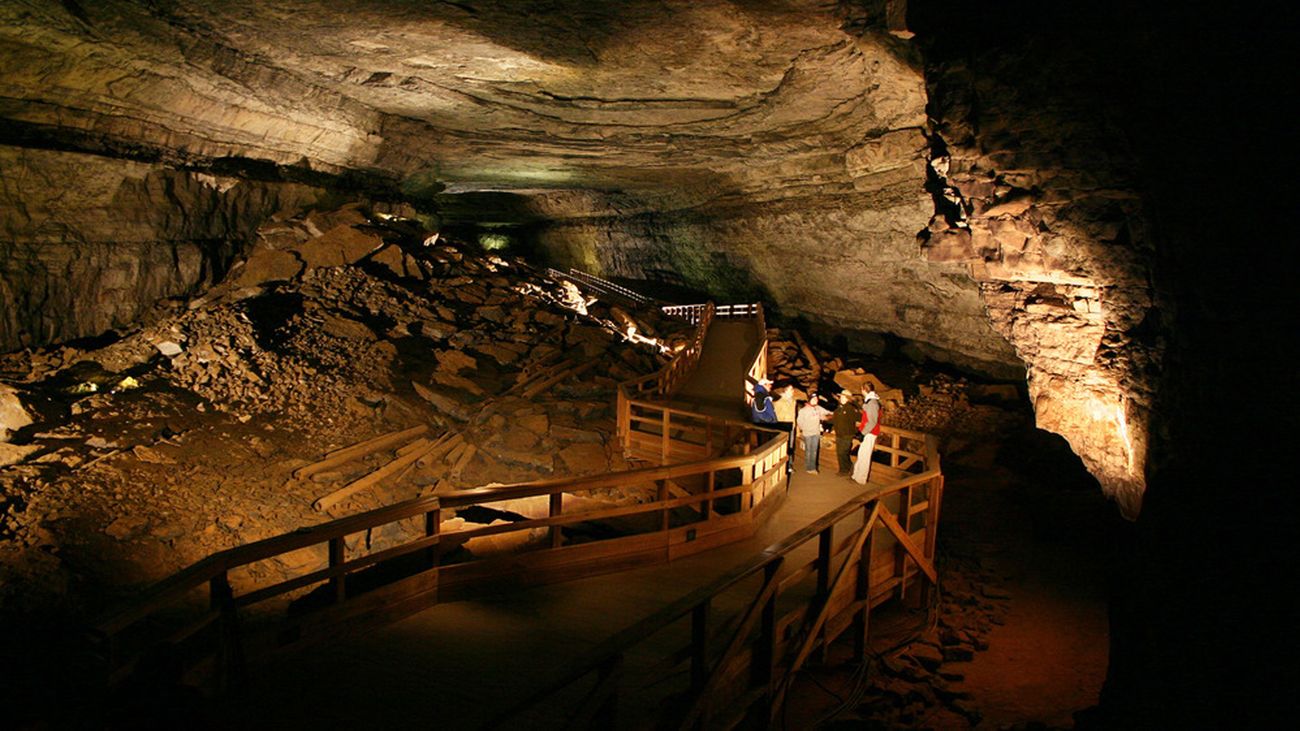
Have you ever wondered what lies beneath Kentucky's rolling hills? Kentucky's caves hold secrets waiting to be explored. From the famous Mammoth Cave, the world's longest cave system, to lesser-known but equally fascinating caverns, there's a hidden world underground. These caves offer more than just stunning rock formations; they provide a glimpse into ancient history and unique ecosystems. Whether you're an adventurer seeking thrills or a curious mind eager to learn, Kentucky's caves have something for everyone. Ready to uncover the mysteries of Kentucky's caves? Let's dive into the underground wonders that make this state a spelunker's paradise.
Secrets of Kentucky's Cave Research
Kentucky is home to some of the most fascinating caves in the world. These underground wonders are not just beautiful but also hold secrets that scientists and researchers are eager to uncover. Let's dive into the hidden world beneath Kentucky's surface and explore some of the most intriguing cave research sites.
Mammoth Cave National Park
Mammoth Cave National Park is a must-visit for anyone interested in cave research. This park is home to the longest cave system in the world, with over 400 miles of explored passageways. Researchers here study everything from geology to unique cave ecosystems.
- Frozen Niagara: This section of Mammoth Cave features stunning formations that resemble a frozen waterfall. Scientists study the mineral deposits to understand the cave's history.
- Echo River: An underground river that provides a habitat for rare aquatic species. Researchers focus on the biodiversity and water quality of this hidden river.
- Grand Avenue: A massive passageway where geologists study the cave's formation and the forces that shaped it over millions of years.
Carter Caves State Resort Park
Carter Caves State Resort Park offers a unique blend of adventure and research opportunities. The park features numerous caves, each with its own set of mysteries waiting to be solved.
- X-Cave: Known for its X-shaped passageways, this cave is a hotspot for studying cave formations and mineral deposits.
- Cascade Cave: Home to an underground waterfall, researchers here focus on hydrology and the cave's water systems.
- Saltpetre Cave: Historically used for mining saltpeter, this cave offers insights into early human activity and its impact on cave environments.
Hidden River Cave and American Cave Museum
Hidden River Cave is not just a research site but also an educational hub. The American Cave Museum provides context and background for the ongoing research in the cave.
- Main Passage: This large passageway is ideal for studying cave airflow and its effects on the cave environment.
- River Passage: Researchers focus on the underground river's role in shaping the cave and its ecosystem.
- Bat Room: A section dedicated to studying the cave's bat population and their role in the cave's ecosystem.
Lost River Cave
Lost River Cave offers a unique combination of above-ground beauty and underground mystery. Researchers here are particularly interested in the cave's hydrology and its impact on the surrounding environment.
- Blue Hole: A deep, blue pool where researchers study water quality and its impact on cave life.
- Cave Boat Tour: This tour provides access to parts of the cave that are otherwise difficult to reach, allowing for unique research opportunities.
- Underground River: Scientists study the flow and quality of the water, as well as its role in shaping the cave.
Kentucky Down Under Adventure Zoo
While primarily a zoo, Kentucky Down Under also features a fascinating cave system that offers unique research opportunities.
- Onyx Cave: Known for its beautiful onyx formations, researchers study the mineral composition and formation processes.
- Crystal Cave: This cave is rich in crystal formations, providing a unique opportunity to study crystal growth and mineralogy.
- Bat Cave: A section dedicated to studying the cave's bat population and their impact on the cave ecosystem.
Sloans Valley Cave System
Sloans Valley Cave System is one of Kentucky's lesser-known but equally fascinating cave systems. Researchers here focus on the cave's complex network of passageways and its unique geological features.
- Main Corridor: A large passageway where geologists study the cave's formation and the forces that shaped it.
- Waterfall Room: Home to an underground waterfall, researchers focus on hydrology and the cave's water systems.
- Crystal Passage: Known for its stunning crystal formations, this passageway offers insights into mineral growth and cave formation processes.
Great Saltpetre Cave
Great Saltpetre Cave is rich in history and geological features. Researchers here study the cave's historical use and its unique geological formations.
- Main Chamber: A large room where researchers study the cave's history and its use in saltpeter mining.
- Echo Chamber: Known for its unique acoustics, scientists study the cave's structure and its impact on sound.
- Crystal Room: A section rich in crystal formations, providing insights into mineral growth and cave formation processes.
Kentucky's Caves: A Hidden Gem
Kentucky's caves offer a unique adventure for explorers and nature lovers. These underground wonders are filled with stunning formations, rich history, and fascinating ecosystems. Visiting these caves provides a chance to learn about geology, history, and the delicate balance of nature. Whether you're an experienced spelunker or a curious traveler, Kentucky's caves promise an unforgettable experience.
Don't miss out on Mammoth Cave, the world's longest cave system, or the beautiful formations in Carter Caves. Each cave has its own story and secrets waiting to be discovered. Plan your trip, bring a sense of adventure, and prepare to be amazed by the hidden beauty beneath Kentucky's surface. Exploring these caves is not just a trip; it's a journey into the heart of the Earth.
