Secrets Of Kentucky’s Big Bone Lick Fossil Beds
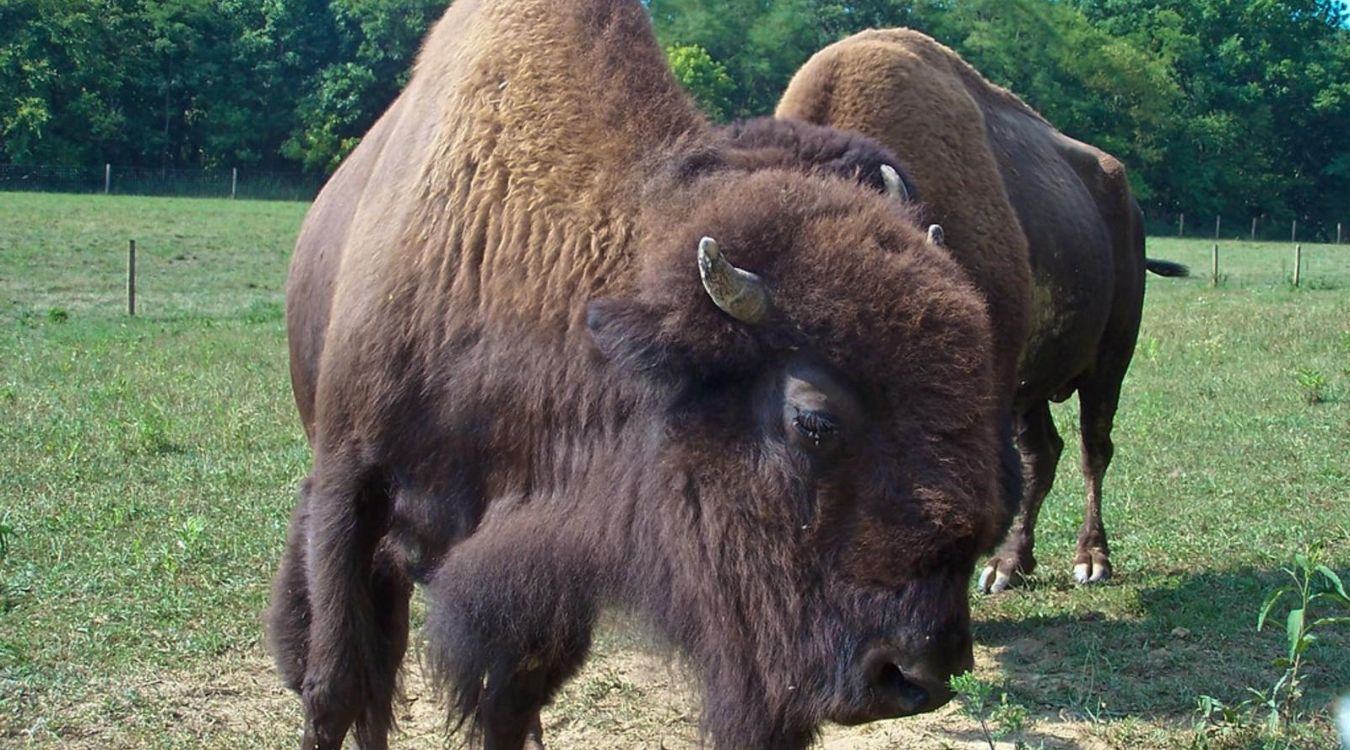
Have you ever wondered about the ancient history hidden beneath our feet? Big Bone Lick State Park in Kentucky offers a fascinating glimpse into the past. Known as the "Birthplace of American Vertebrate Paleontology," this site is rich with fossils from the Ice Age. Mammoths, mastodons, and other prehistoric creatures once roamed this area. Today, visitors can explore the fossil beds, hike scenic trails, and even see a bison herd. Whether you're a history buff or just love nature, Big Bone Lick has something for everyone. Ready to dig into the past? Let's uncover the secrets of this unique park.
Secrets of Kentucky's Big Bone Lick Fossil Beds
Kentucky's Big Bone Lick State Park is a treasure trove of prehistoric wonders. Known as the "Birthplace of American Vertebrate Paleontology," this site offers a fascinating glimpse into the ancient past. Let's uncover some of the secrets hidden within these fossil beds.
1. Mammoth Fossils
Big Bone Lick is famous for its mammoth fossils. These massive creatures once roamed the area, leaving behind impressive remains.
- Mammoth Skeletons: Complete skeletons have been unearthed, showcasing the sheer size of these ancient giants.
- Tusks: Enormous tusks, some over 10 feet long, provide insight into the mammoths' lives and behaviors.
2. Mastodon Remains
Mastodons, relatives of modern elephants, also called this area home. Their fossils add another layer to the park's rich history.
- Teeth: Mastodon teeth, with their distinctive ridges, help scientists understand their diet and lifestyle.
- Bones: Large bones scattered throughout the site reveal the mastodons' impressive stature.
3. Ancient Bison
Before modern bison roamed the plains, their ancient ancestors grazed in Kentucky. Fossils of these creatures tell a story of adaptation and survival.
- Skulls: Bison skulls found at Big Bone Lick show the evolution of these animals over thousands of years.
- Horns: The size and shape of bison horns provide clues about their behavior and social structures.
4. Giant Ground Sloths
Among the most intriguing finds are the remains of giant ground sloths. These slow-moving herbivores were unlike anything alive today.
- Claws: Massive claws suggest these sloths were well-equipped for digging and foraging.
- Pelvis Bones: The unique structure of their pelvis bones helps paleontologists understand their movement and posture.
5. Paleo-Indian Artifacts
Human history at Big Bone Lick is just as fascinating as the prehistoric creatures. Paleo-Indian artifacts reveal the lives of the area's earliest inhabitants.
- Stone Tools: Tools made from flint and other materials show the ingenuity of these ancient people.
- Projectile Points: Arrowheads and spear points indicate hunting practices and survival strategies.
6. Salt Springs
The salt springs at Big Bone Lick played a crucial role in attracting both animals and humans to the area.
- Salt Licks: Animals were drawn to the natural salt deposits, leading to the rich fossil beds we see today.
- Human Use: Early settlers and Native Americans used the salt springs for preserving food and other purposes.
7. Fossil Excavation Sites
Several excavation sites within the park offer a hands-on experience for visitors and researchers alike.
- Dig Sites: Active dig sites allow visitors to see paleontologists at work, uncovering new fossils.
- Educational Programs: Programs and tours provide a deeper understanding of the excavation process and the significance of the finds.
8. Visitor Center Exhibits
The park's visitor center houses a wealth of information and exhibits about the fossil beds and their history.
- Fossil Displays: Detailed displays of fossils found in the park offer a close-up look at these ancient creatures.
- Interactive Exhibits: Hands-on exhibits engage visitors of all ages, making learning about paleontology fun and accessible.
9. Hiking Trails
Exploring the park's hiking trails provides a chance to see the landscape that shaped the lives of its ancient inhabitants.
- Trail Markers: Informative markers along the trails highlight significant fossil finds and geological features.
- Scenic Views: Beautiful vistas and natural beauty make the hike enjoyable and educational.
10. Educational Programs
Big Bone Lick offers a variety of educational programs for schools, families, and curious minds.
- Workshops: Workshops on fossil identification and paleontology techniques provide hands-on learning opportunities.
- Lectures: Expert-led lectures delve into the history and science behind the fossil beds, offering deeper insights.
Kentucky's Big Bone Lick State Park is a window into a world long past. From mammoth fossils to ancient bison, each discovery adds to our understanding of prehistoric life. Whether you're a budding paleontologist or just curious about the past, this park has something for everyone.
Why Big Bone Lick is Worth a Visit
Big Bone Lick State Park offers a unique glimpse into prehistoric life. The fossil beds here are a treasure trove of ancient bones, giving visitors a chance to see remnants of creatures that roamed the earth thousands of years ago. The park's museum and interpretive trails provide educational experiences for all ages. Whether you're a history buff, a nature lover, or just looking for a fun family outing, this park has something for everyone. The natural beauty of the area, combined with its rich history, makes it a must-see destination in Kentucky. Don't miss the chance to explore this fascinating site and learn more about the ancient world. A visit to Big Bone Lick is not just a trip; it's a journey back in time.