

Secrets Of Prairie Fire Management In Kansas’s Flint Hills
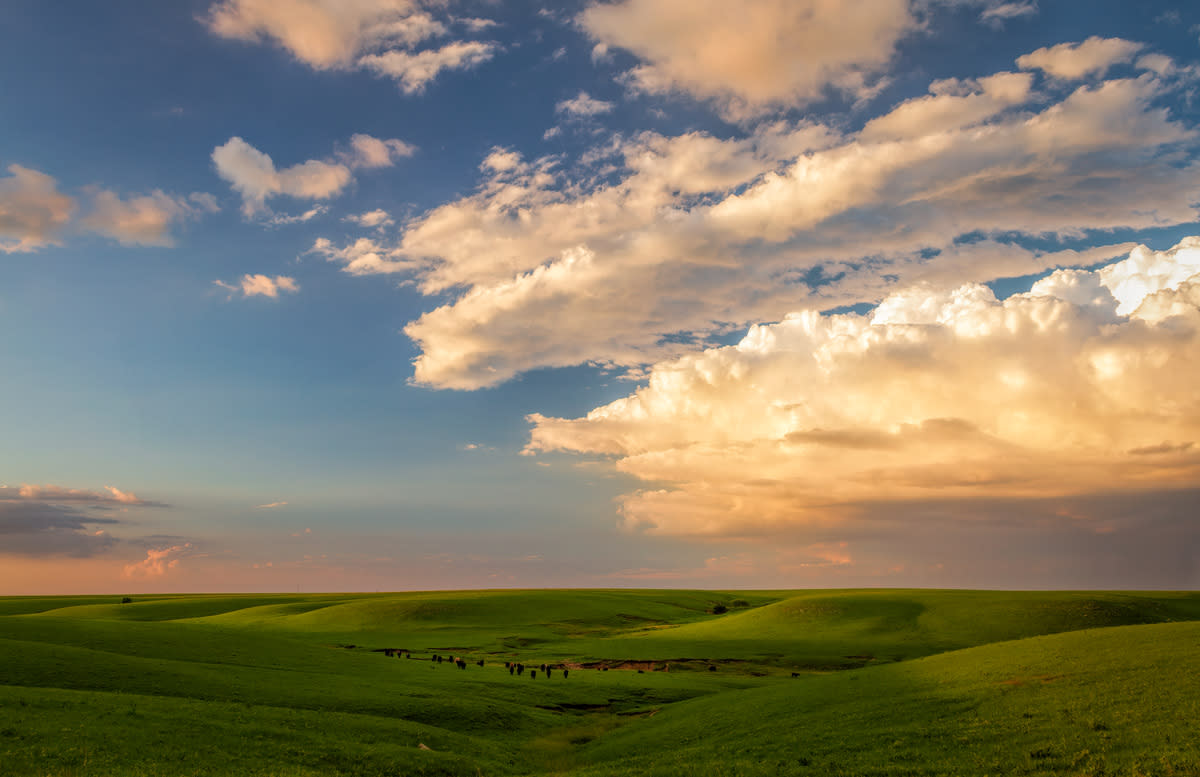
Have you ever wondered why the Flint Hills in Kansas look so lush and green? The secret lies in prairie fire management. Controlled burns, or prescribed fires, play a crucial role in maintaining this unique ecosystem. These fires help control invasive species, recycle nutrients back into the soil, and promote the growth of native grasses. Without them, the landscape would change drastically, losing much of its natural beauty and biodiversity. In this blog post, we'll explore how these fires are managed, their benefits, and why they are essential for the Flint Hills. Get ready to learn about the fascinating world of prairie fire management!
Understanding Prairie Fires
Prairie fires play a vital role in maintaining the health of the Flint Hills ecosystem. These controlled burns help manage invasive species, promote native plant growth, and maintain the unique landscape. Let's explore some key places where prairie fire management is practiced in Kansas's Flint Hills.
Tallgrass Prairie National Preserve
- Tallgrass Prairie National Preserve: This preserve showcases the beauty and importance of tallgrass prairies. Controlled burns here help maintain the diverse plant and animal life. Visitors can witness the rejuvenation of the land post-burn, seeing firsthand how fire fosters new growth.
Konza Prairie Biological Station
- Konza Prairie Biological Station: A research station dedicated to studying the tallgrass prairie ecosystem. Controlled burns are a critical part of their research, helping scientists understand fire's role in prairie health. The station offers guided tours where you can learn about fire management techniques and their benefits.
Tuttle Creek State Park
- Tuttle Creek State Park: Known for its recreational activities, this park also practices prairie fire management. Controlled burns here help maintain the park's natural beauty and support wildlife habitats. Visitors can enjoy hiking trails that wind through recently burned areas, observing the rapid regrowth of native plants.
Flint Hills Discovery Center
- Flint Hills Discovery Center: This interactive museum provides educational exhibits on the Flint Hills' natural and cultural history. It highlights the importance of prairie fires in maintaining the ecosystem. The center offers programs and events that delve into fire management practices, making it a great place to learn more about this essential process.
Chase State Fishing Lake and Wildlife Area
- Chase State Fishing Lake and Wildlife Area: This area combines outdoor recreation with conservation efforts. Controlled burns help manage the landscape, ensuring a healthy environment for both wildlife and visitors. Fishing, hiking, and wildlife watching are popular activities here, with the added benefit of seeing the positive effects of fire management.
Tallgrass Prairie Preserve
- Tallgrass Prairie Preserve: Managed by The Nature Conservancy, this preserve focuses on restoring and maintaining tallgrass prairie ecosystems. Controlled burns are a key tool in their conservation efforts. Visitors can explore the preserve's trails and witness the vibrant regrowth following a burn, gaining a deeper appreciation for the role of fire in prairie management.
Council Grove Lake
- Council Grove Lake: This lake area is not only a popular spot for fishing and boating but also practices prairie fire management. Controlled burns help maintain the surrounding grasslands, supporting a diverse range of plant and animal species. The lake's scenic beauty is enhanced by the healthy, thriving prairie ecosystem.
Maxwell Wildlife Refuge
- Maxwell Wildlife Refuge: Home to bison and elk, this refuge uses controlled burns to manage the prairie habitat. These burns help maintain the grasslands that support the wildlife. Visitors can take guided tours to see the bison and elk up close, learning about the importance of fire in maintaining their habitat.
Rock Springs 4-H Center
- Rock Springs 4-H Center: This educational center offers programs on prairie ecology and fire management. Controlled burns are part of their land management strategy, helping to maintain the health of the prairie. The center provides hands-on learning experiences for youth and adults, making it a valuable resource for understanding prairie fire management.
Marion Reservoir
- Marion Reservoir: This reservoir area combines water recreation with prairie conservation. Controlled burns help manage the surrounding grasslands, promoting a healthy ecosystem. Visitors can enjoy boating, fishing, and hiking while observing the benefits of fire management on the landscape.
Embracing the Prairie Fire Tradition
Prairie fire management in Kansas's Flint Hills is a vital practice. It maintains the health of the ecosystem, supports local agriculture, and preserves the region's unique beauty. Controlled burns help manage invasive species, promote native plant growth, and reduce wildfire risks. This tradition, passed down through generations, showcases the deep connection between the land and its stewards.
Understanding the importance of these fires can foster appreciation for the delicate balance required to sustain the Flint Hills. By supporting local efforts and educating others, we can ensure this practice continues to benefit the environment and community. Next time you see the flames, remember the purpose behind them. They are not just fires; they are a testament to the resilience and wisdom of those who call the Flint Hills home.
