

Secrets Of Kansas’s Ogallala Aquifer Well Fields
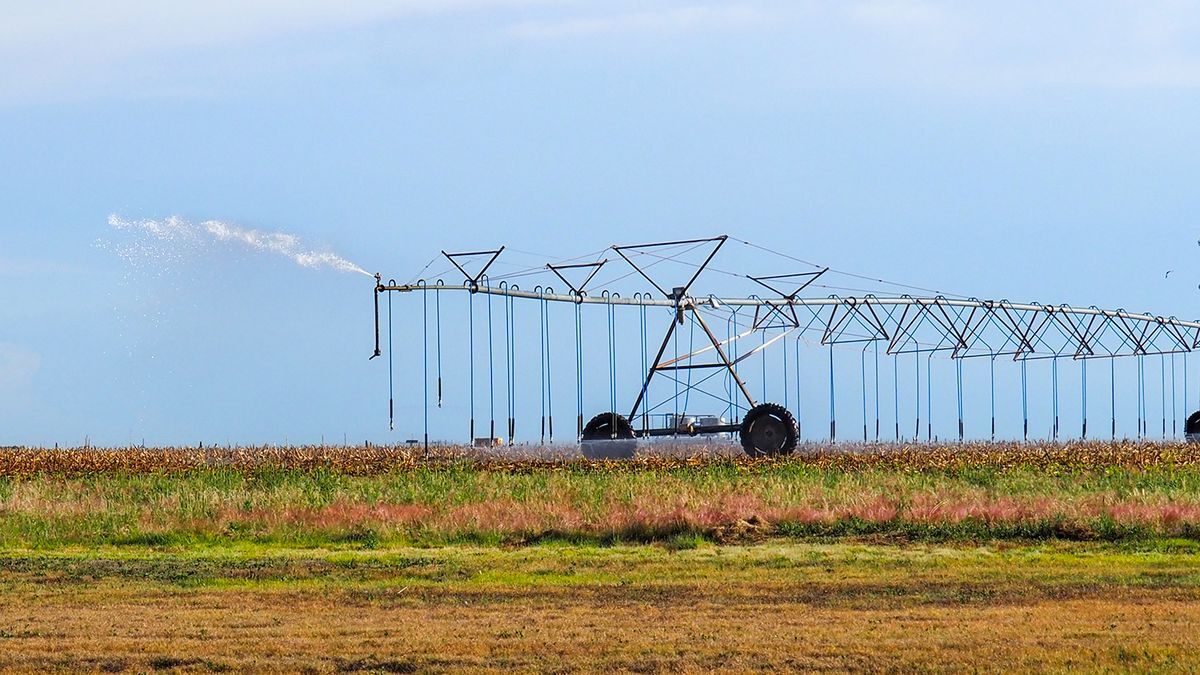
Have you ever wondered where Kansas gets its water? The answer lies beneath the ground in the Ogallala Aquifer Well Fields. This vast underground reservoir stretches across eight states, but Kansas relies heavily on it for agriculture, drinking water, and industry. Imagine a giant sponge soaked with water, hidden beneath the plains. Farmers tap into this resource to irrigate crops, ensuring food production even during dry spells. Towns and cities draw from it to supply homes and businesses. Understanding the importance of the Ogallala Aquifer helps us appreciate the delicate balance between usage and conservation. Let's dive into how this hidden treasure supports life in Kansas.
Secrets of Kansas's Ogallala Aquifer Well Fields
The Ogallala Aquifer is a massive underground water reservoir stretching across eight states, including Kansas. This aquifer is crucial for agriculture, providing water to one of the most productive farming regions in the world. Let's uncover some secrets of Kansas's Ogallala Aquifer well fields.
The Lifeline of Western Kansas
Western Kansas relies heavily on the Ogallala Aquifer for irrigation, drinking water, and industry. Here are some key well fields that play a vital role in sustaining life in this region.
Garden City Well Field
- Located in Finney County, this well field supports extensive farming operations.
- Provides water for crops like corn, wheat, and soybeans.
- Essential for the local economy and food production.
Haskell County Well Field
- Supplies water to both agricultural and municipal users.
- Known for its efficient water management practices.
- Helps maintain the balance between water usage and conservation.
Scott City Well Field
- Serves as a primary water source for Scott County.
- Supports diverse agricultural activities, including livestock farming.
- Vital for the community's daily water needs.
Innovative Water Management Practices
To ensure the sustainability of the Ogallala Aquifer, innovative water management practices are implemented in various well fields. These practices help conserve water and extend the aquifer's lifespan.
Dodge City Well Field
- Utilizes advanced irrigation techniques to reduce water waste.
- Implements crop rotation and soil moisture monitoring.
- Promotes sustainable farming practices.
Syracuse Well Field
- Focuses on water-efficient technologies like drip irrigation.
- Encourages farmers to adopt water-saving methods.
- Aims to reduce the overall water footprint of agriculture.
Lakin Well Field
- Employs precision agriculture to optimize water usage.
- Uses data-driven approaches to manage irrigation schedules.
- Strives to achieve maximum crop yield with minimal water.
Challenges and Solutions
Despite the efforts to conserve water, the Ogallala Aquifer faces challenges such as declining water levels and increased demand. Here are some well fields addressing these issues.
Ulysses Well Field
- Implements groundwater recharge projects to replenish the aquifer.
- Encourages community involvement in water conservation.
- Works on long-term solutions to ensure water availability.
Liberal Well Field
- Focuses on reducing water consumption through public awareness campaigns.
- Partners with local organizations to promote water-saving initiatives.
- Monitors water levels regularly to manage usage effectively.
Colby Well Field
- Invests in research and development for sustainable water practices.
- Collaborates with universities and experts to find innovative solutions.
- Aims to balance water use with aquifer recharge rates.
Future Prospects
The future of Kansas's Ogallala Aquifer well fields depends on continued innovation and cooperation. By adopting sustainable practices and addressing challenges, these well fields can ensure a reliable water supply for generations to come.
Goodland Well Field
- Plans to expand water-saving technologies.
- Focuses on community education about water conservation.
- Aims to create a sustainable water management model.
Hugoton Well Field
- Develops strategies to cope with climate change impacts.
- Encourages the use of alternative water sources.
- Strives to maintain the aquifer's health for future use.
The Importance of the Ogallala Aquifer
The Ogallala Aquifer is a lifeline for Kansas, providing water to farms, towns, and industries. Without it, the state's agriculture would struggle, and many communities would face water shortages. This underground reservoir supports the economy and sustains the environment.
Conserving this vital resource is crucial. Overuse and climate change threaten its levels, making sustainable practices more important than ever. Farmers can adopt efficient irrigation techniques, and everyone can be mindful of water use.
Understanding the aquifer's role helps us appreciate its value. Protecting it ensures future generations will benefit from its resources. The Ogallala Aquifer is more than just a water source; it's a key part of Kansas's identity and prosperity. By working together, we can safeguard this precious resource for years to come.
