

Hidden Connections In Kansas’s Prairie Research Network
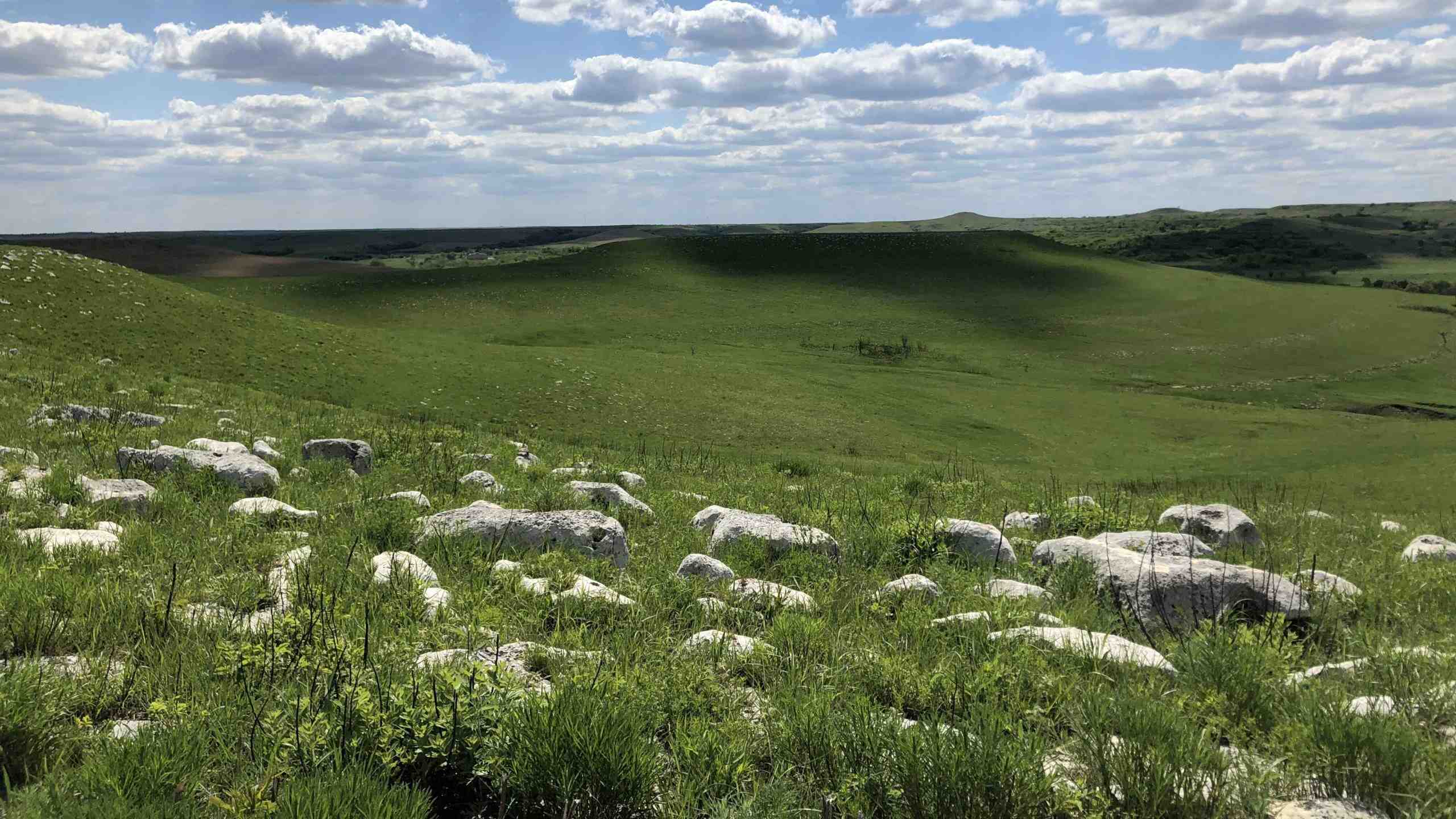
Have you ever wondered about the hidden connections in Kansas's prairie research network? This vast landscape holds secrets waiting to be uncovered. Scientists and researchers are working tirelessly to understand the intricate web of life that thrives in these grasslands. From the tiniest insects to the majestic bison, every creature plays a crucial role in maintaining the balance of this unique ecosystem. By studying these connections, we can learn more about biodiversity, conservation, and the impact of human activities on natural habitats. Join us as we delve into the fascinating world of Kansas's prairies and the groundbreaking research taking place there.
Discovering Kansas's Prairie Research Network
Kansas, often known for its vast plains and agricultural prowess, hides a network of research sites that delve deep into prairie ecosystems. These sites are not just about studying grasslands; they reveal hidden connections between flora, fauna, and the environment. Let's explore some of these fascinating places.
Konza Prairie Biological Station
The Konza Prairie Biological Station is a gem in Kansas's research network. This site offers a glimpse into the tallgrass prairie ecosystem, one of the most endangered ecosystems in the world.
- Konza Prairie Biological Station: Located near Manhattan, Kansas, this 8,600-acre site is dedicated to long-term ecological research. Scientists study everything from plant diversity to bison grazing patterns here.
Tallgrass Prairie National Preserve
The Tallgrass Prairie National Preserve showcases the beauty and complexity of the tallgrass prairie. This site is a living laboratory for researchers and a stunning destination for visitors.
- Tallgrass Prairie National Preserve: Situated in the Flint Hills, this preserve spans over 10,000 acres. Researchers investigate prairie restoration, fire ecology, and the impact of invasive species.
Kansas State University Agricultural Research Center
Kansas State University's Agricultural Research Center plays a crucial role in understanding prairie ecosystems and their agricultural implications. This center combines research with practical applications.
- Kansas State University Agricultural Research Center: Located in Hays, Kansas, this center focuses on sustainable agriculture, soil health, and crop resilience. Researchers here work on projects that benefit both prairie ecosystems and farming communities.
Smoky Valley Ranch
Smoky Valley Ranch offers a unique blend of research and conservation efforts. This site is a haven for wildlife and a hotspot for scientific studies.
- Smoky Valley Ranch: Managed by The Nature Conservancy, this ranch covers 17,000 acres in western Kansas. It serves as a research site for studying grassland birds, prairie dogs, and the effects of grazing on plant communities.
Cheyenne Bottoms Wildlife Area
Cheyenne Bottoms Wildlife Area is a critical site for wetland research within the prairie ecosystem. This area supports a diverse range of species and offers valuable insights into wetland management.
- Cheyenne Bottoms Wildlife Area: Located in central Kansas, this 41,000-acre wetland is a key stopover for migratory birds. Researchers study waterfowl populations, wetland restoration, and the impacts of climate change on these vital habitats.
Fort Hays State University Sternberg Museum of Natural History
Fort Hays State University's Sternberg Museum of Natural History is not just a museum; it's a research hub. This institution contributes to our understanding of prairie ecosystems through its extensive collections and field studies.
- Fort Hays State University Sternberg Museum of Natural History: Based in Hays, Kansas, the museum conducts research on paleontology, geology, and modern ecosystems. Fieldwork often focuses on the interactions between ancient and current prairie environments.
Cimarron National Grassland
Cimarron National Grassland represents the southwestern prairies of Kansas. This site is essential for studying the unique characteristics of shortgrass prairies and their inhabitants.
- Cimarron National Grassland: Covering over 108,000 acres, this grassland is home to diverse wildlife and plant species. Researchers explore topics like drought resilience, soil conservation, and the effects of grazing on shortgrass ecosystems.
Baker Wetlands
Baker Wetlands is a restored wetland area that provides critical habitat for wildlife and serves as a research site for wetland ecology.
- Baker Wetlands: Located near Lawrence, Kansas, this 927-acre area is managed by the University of Kansas. Studies here focus on wetland restoration, amphibian populations, and the role of wetlands in flood control.
Kansas Biological Survey
The Kansas Biological Survey conducts research across the state, focusing on the conservation and management of natural resources. Their work spans multiple prairie research sites.
- Kansas Biological Survey: Based at the University of Kansas, this organization leads research on biodiversity, water quality, and land management. Their projects often involve collaborations with other research sites and institutions.
Flint Hills Discovery Center
The Flint Hills Discovery Center is an educational and research facility that highlights the importance of the Flint Hills region. This center connects the public with ongoing research efforts.
- Flint Hills Discovery Center: Located in Manhattan, Kansas, this center offers interactive exhibits and supports research on prairie ecology, fire management, and the cultural history of the Flint Hills.
Dyck Arboretum of the Plains
Dyck Arboretum of the Plains focuses on the conservation and study of native prairie plants. This arboretum is a living library of prairie flora.
- Dyck Arboretum of the Plains: Situated in Hesston, Kansas, this 13-acre arboretum showcases native plants and supports research on plant conservation, pollinator habitats, and sustainable landscaping practices.
The Prairie's Hidden Ties
Kansas's Prairie Research Network reveals surprising connections in the vast grasslands. This network isn't just about plants and animals; it shows how everything in the prairie is linked. From soil health to wildlife patterns, each part plays a role in maintaining balance. Researchers use this information to help conserve the prairie and understand its importance better.
By studying these hidden connections, we learn how to protect this unique ecosystem. The findings can guide conservation efforts, ensuring the prairie remains healthy for future generations. This research highlights the importance of every element in the prairie, showing that even the smallest details matter.
Kansas's prairies hold secrets that are crucial for conservation. The Prairie Research Network helps uncover these secrets, providing valuable insights into the intricate web of life in the grasslands. This knowledge is key to preserving the prairie and its hidden connections.
