

Hidden Cattle Trail Markers Of Kansas’s Chisholm Trail
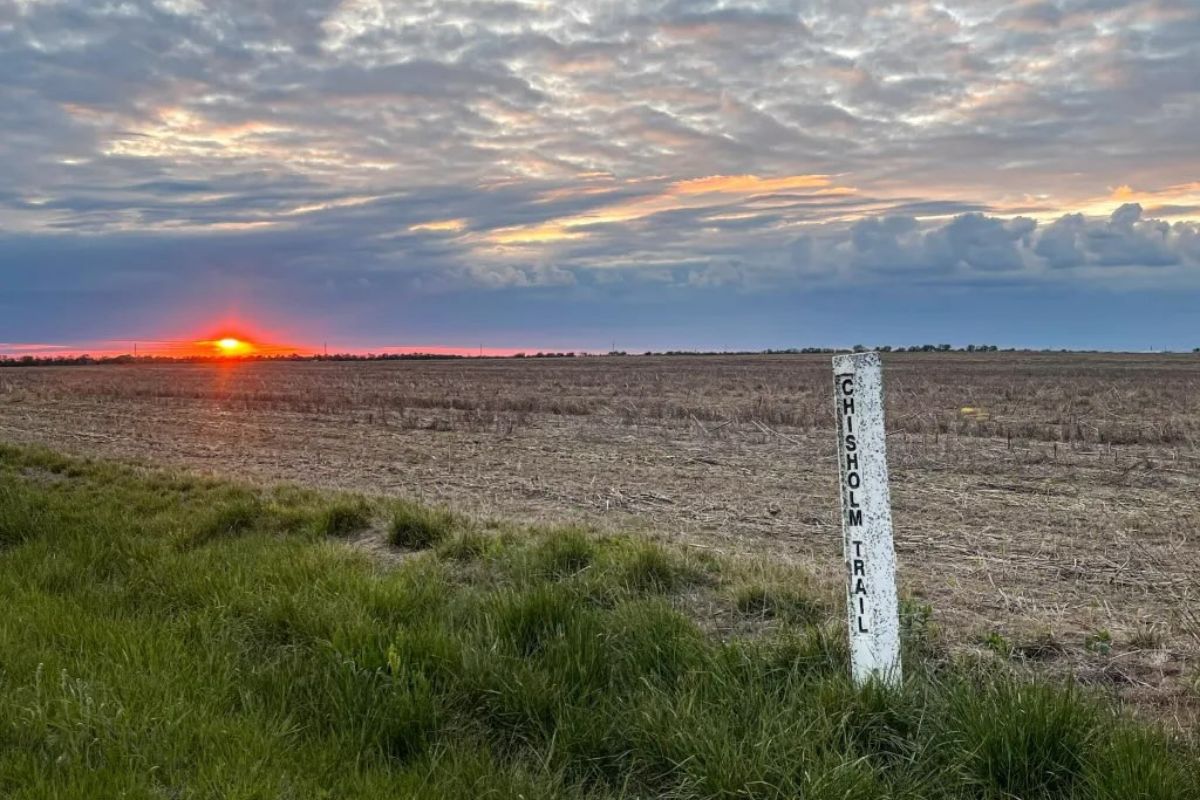
Have you ever wondered about the hidden markers along the Chisholm Trail in Kansas? This historic route, once bustling with cattle drives, holds secrets waiting to be uncovered. As you travel through Kansas, you might stumble upon these markers, each telling a story of the past. From weathered signs to stone monuments, these markers offer a glimpse into the lives of cowboys and the cattle they herded. Whether you're a history buff or just curious, exploring these markers can be a fun way to connect with the past. Ready to learn more about the hidden gems of the Chisholm Trail? Let's dive in!
Hidden Cattle Trail Markers of Kansas's Chisholm Trail
The Chisholm Trail, a historic cattle-driving route, stretches from Texas to Kansas. Along this path, hidden markers tell stories of the past. These markers, often overlooked, offer a glimpse into the lives of cowboys and cattle drives. Let's uncover some of these hidden gems.
Historic Markers in Abilene
Abilene, Kansas, served as a key endpoint for cattle drives. The town's markers highlight its rich history and significance.
Old Abilene Town: This recreated frontier town features markers detailing the cattle drives and the cowboys who made Abilene famous. Visitors can walk through history, seeing where cattle were bought and sold.
Eisenhower Presidential Library: While primarily dedicated to President Eisenhower, this site includes exhibits on the Chisholm Trail and its impact on Abilene. The markers here provide context on how the trail shaped the town's development.
Salina's Hidden Gems
Salina, another important stop on the trail, boasts several lesser-known markers that shed light on its past.
Indian Rock Park: This park features a marker commemorating the Native American tribes who lived along the trail. It provides insight into their interactions with cowboys and cattle drives.
Smoky Hill Museum: This museum houses a marker detailing the Chisholm Trail's route through Salina. It includes maps and artifacts from the era, offering a comprehensive look at the trail's history.
Wichita's Trail Markers
Wichita played a crucial role in the cattle drives, and its markers reflect this history.
Old Cowtown Museum: This living history museum includes markers that tell the story of Wichita's role in the Chisholm Trail. Visitors can see historic buildings and learn about the cowboys who passed through.
Chisholm Trail Park: This park features several markers detailing the trail's route through Wichita. It includes information on the challenges faced by cowboys and the impact of the cattle drives on the city.
Caldwell's Historic Sites
Caldwell, known as the "Border Queen," was a bustling cow town during the Chisholm Trail era. Its markers highlight this vibrant history.
Caldwell Historical Marker: Located in the town center, this marker provides an overview of Caldwell's role in the cattle drives. It includes stories of famous cowboys and outlaws who passed through.
Caldwell Opera House: This historic building features a marker detailing its significance during the Chisholm Trail era. It was a popular spot for cowboys to unwind after long drives.
Newton's Lesser-Known Markers
Newton, another key stop on the trail, has several hidden markers that offer a glimpse into its past.
Harvey County Historical Museum: This museum includes a marker detailing the Chisholm Trail's impact on Newton. It features exhibits on the town's development and the role of cattle drives.
Newton Train Depot: This historic depot features a marker commemorating the arrival of cattle drives in Newton. It provides insight into the town's transformation into a bustling rail hub.
Wellington's Trail Markers
Wellington, a lesser-known stop on the trail, has markers that highlight its unique history.
Chisholm Trail Museum: This museum features markers detailing the trail's route through Wellington. It includes exhibits on the cowboys, cattle, and challenges faced along the way.
Wellington Historical Marker: Located in the town square, this marker provides an overview of Wellington's role in the Chisholm Trail. It includes stories of the town's growth and development during the cattle drive era.
Discovering Kansas's Hidden History
Kansas's Chisholm Trail markers offer a unique glimpse into the past. These markers tell stories of cattle drives, cowboy life, and the challenges faced on the trail. Exploring these hidden gems provides a deeper understanding of the state's rich history.
Visiting these markers can be an educational and enjoyable experience. Each marker reveals a piece of the puzzle that shaped the American West. From the bustling cattle towns to the quiet prairies, every stop along the trail has something to teach.
Next time you're in Kansas, take a moment to seek out these historical markers. They are more than just signs; they are windows into a bygone era. By appreciating these markers, you connect with the spirit of the trail and the people who traveled it. Kansas's hidden history awaits your discovery.
