

Secrets Of Iowa’s Sustainable Agriculture Projects
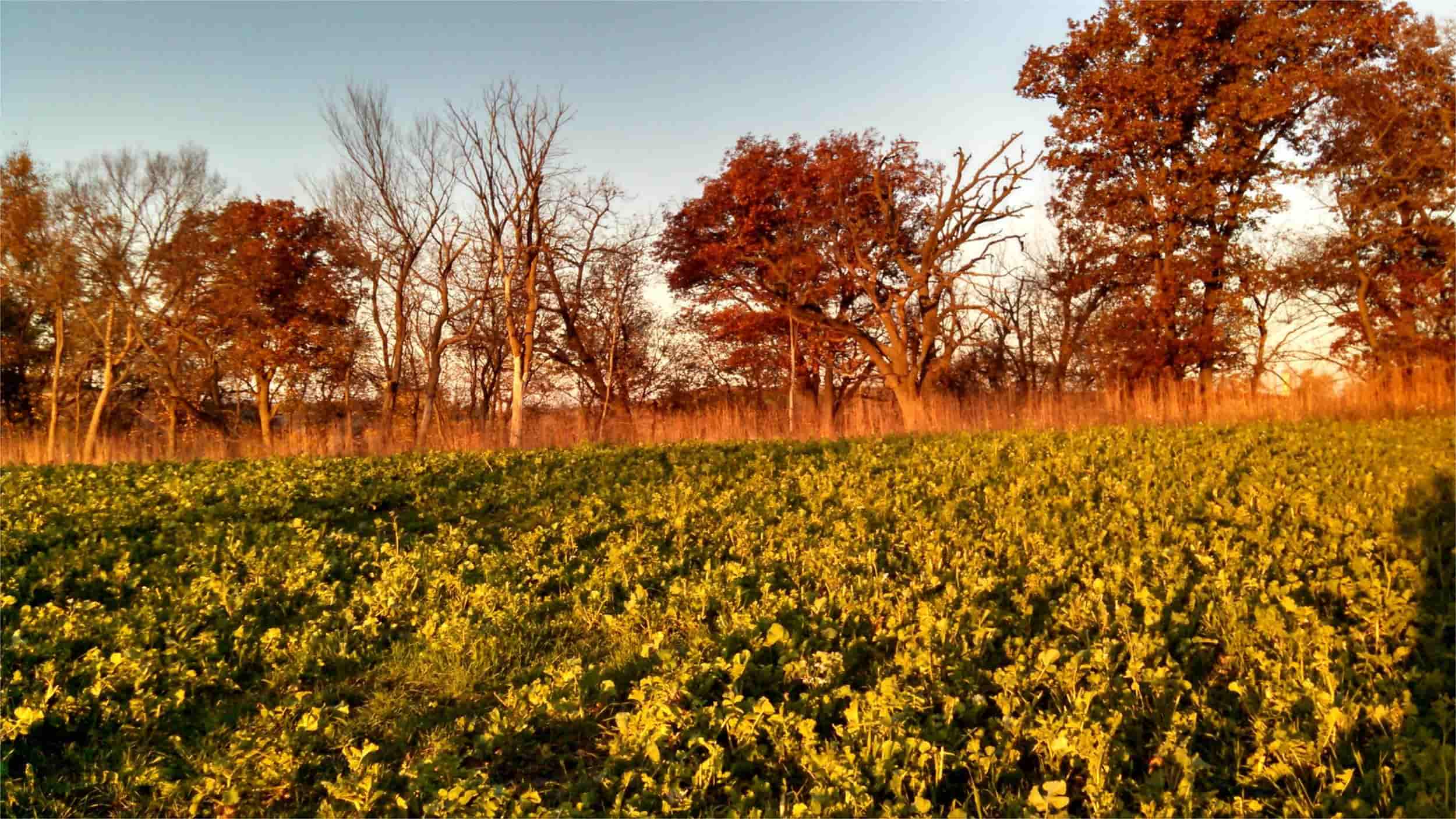
Have you ever wondered how Iowa became a leader in sustainable agriculture? This state, known for its vast cornfields, has embraced eco-friendly farming practices that benefit both the environment and local communities. From crop rotation to organic farming, Iowa's farmers are making strides in reducing their carbon footprint. They use innovative techniques like cover cropping and no-till farming to maintain soil health and conserve water. These methods not only boost crop yields but also protect natural resources. Curious about how these practices work and their impact? Let's dive into the world of Iowa's sustainable agriculture projects and see what makes them so effective.
Iowa's Commitment to Sustainable Agriculture
Iowa, known for its vast cornfields and rolling plains, is also a leader in sustainable agriculture. The state has embraced innovative practices to ensure farming remains productive while protecting the environment. Here are some of the most notable sustainable agriculture projects in Iowa.
Pioneering Sustainable Farming Practices
Farmers across Iowa are adopting new methods to reduce their environmental footprint. These practices not only benefit the land but also the farmers who work it.
Practical Farmers of Iowa (PFI)
- PFI promotes sustainable farming through education and research. They offer resources and support for farmers looking to implement sustainable practices like cover cropping and rotational grazing.
Iowa Learning Farms
- This initiative focuses on conservation education. They work with farmers to implement practices that reduce soil erosion and improve water quality, such as no-till farming and buffer strips.
Innovative Water Management Projects
Water management is crucial in agriculture, especially in a state like Iowa where water quality issues have been a concern. Several projects aim to address these challenges.
Iowa Nutrient Reduction Strategy
- This comprehensive plan aims to reduce nutrient runoff into waterways. It encourages farmers to adopt practices like bioreactors and wetlands to filter out excess nutrients before they reach rivers and streams.
Wetlands Reserve Program
- This program helps restore wetlands on private lands. Wetlands act as natural filters, improving water quality and providing habitat for wildlife.
Community-Based Initiatives
Community involvement is key to the success of sustainable agriculture. Local projects bring together farmers, researchers, and residents to work towards common goals.
Women, Food, and Agriculture Network (WFAN)
- WFAN supports women in sustainable agriculture through networking, education, and advocacy. They offer programs that empower women to take leadership roles in farming and conservation.
Iowa Cover Crop Initiative
- This initiative promotes the use of cover crops to improve soil health and reduce erosion. Cover crops also help retain moisture and nutrients in the soil, benefiting future crops.
Cutting-Edge Research and Technology
Research institutions in Iowa are at the forefront of developing new technologies and methods for sustainable farming. These innovations help farmers increase efficiency while reducing environmental impact.
Iowa State University's Leopold Center for Sustainable Agriculture
- The Leopold Center conducts research on sustainable farming practices and shares findings with farmers. Their work includes studies on crop rotation, organic farming, and integrated pest management.
AgSolver
- This tech company provides data-driven solutions for sustainable farming. Their tools help farmers make informed decisions about crop management, resource use, and environmental impact.
Renewable Energy in Agriculture
Renewable energy sources are becoming more common on Iowa farms. These projects reduce reliance on fossil fuels and lower greenhouse gas emissions.
Iowa Wind Energy Association (IWEA)
- IWEA promotes the use of wind energy in agriculture. Many farms now have wind turbines that generate electricity, reducing energy costs and carbon footprints.
Biofuel Production
- Iowa is a leader in biofuel production, particularly ethanol and biodiesel. These renewable fuels are made from crops like corn and soybeans, providing a sustainable alternative to traditional fossil fuels.
Soil Health and Conservation Efforts
Healthy soil is the foundation of sustainable agriculture. Iowa has several projects focused on improving soil health and preventing erosion.
- Soil Health Partnership (SHP)
- SHP works with farmers to implement practices that improve soil health, such as cover cropping and reduced tillage. Healthy soil retains more water and nutrients, leading to better crop yields.
- Conservation Reserve Program (CRP)
- CRP pays farmers to remove environmentally sensitive land from production and plant species that improve environmental health. This reduces soil erosion, improves water quality, and provides habitat for wildlife.
Sustainable Livestock Management
Livestock farming can have a significant environmental impact. Iowa's sustainable livestock projects aim to reduce this impact while maintaining productivity.
- Rotational Grazing Systems
- Rotational grazing involves moving livestock between pastures to prevent overgrazing. This practice improves soil health, reduces erosion, and promotes biodiversity.
- Manure Management Plans
- Proper manure management reduces nutrient runoff and greenhouse gas emissions. Farmers use techniques like composting and anaerobic digestion to manage manure sustainably.
Iowa's Green Future
Iowa's sustainable agriculture projects show how farming can be both productive and eco-friendly. These initiatives reduce environmental impact while boosting crop yields. Farmers use techniques like crop rotation, cover cropping, and organic farming to maintain soil health and biodiversity. Renewable energy sources, such as wind and solar power, help farms reduce their carbon footprint. Water conservation methods ensure that this vital resource is used efficiently. Community-supported agriculture programs connect consumers directly with local farmers, promoting fresh, locally-grown produce. These efforts not only benefit the environment but also support the local economy. Iowa's commitment to sustainable agriculture sets a strong example for other states. By adopting these practices, farmers can ensure a healthier planet for future generations. Sustainable farming is not just a trend; it's the future of agriculture. Iowa is leading the way, showing that green farming is both possible and profitable.
