

Hidden Insights Of Iowa’s Tallgrass Prairie Pollinators
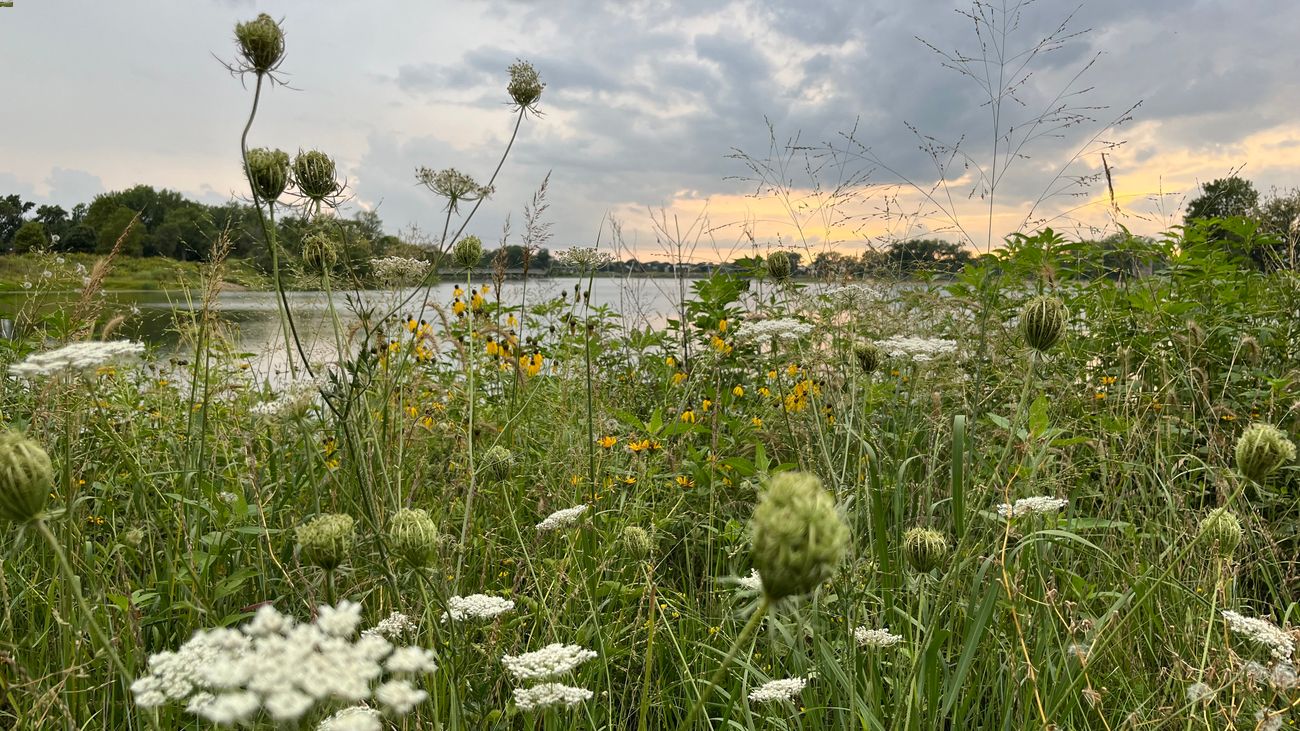
Have you ever wondered about the hidden world of Iowa's Tallgrass Prairie Pollinators? These tiny creatures play a huge role in maintaining the health of our ecosystems. From bees to butterflies, each pollinator has a unique job that helps plants grow and reproduce. Without them, many of the foods we enjoy wouldn't exist. Imagine a world without apples, berries, or even chocolate! Learning about these pollinators can help us understand how to protect them and ensure they continue to thrive. Join us as we explore the fascinating lives of these essential insects and their impact on our environment.
Discovering Iowa's Tallgrass Prairie Pollinators
Iowa's tallgrass prairies are a hidden gem, teeming with life and vibrant colors. These prairies are home to a variety of pollinators that play a crucial role in maintaining the ecosystem. Let's dive into some of the most fascinating pollinators you can find in Iowa's tallgrass prairies.
Bees: The Busy Workers
Bees are perhaps the most well-known pollinators. They are essential for the reproduction of many plants and flowers in the prairie.
- Honeybee: Known for their honey production, honeybees are vital for pollinating a wide range of plants. They live in large colonies and are always buzzing around flowers.
- Bumblebee: These fuzzy, large bees are excellent pollinators. They can fly in cooler temperatures and lower light levels, making them active even on cloudy days.
- Mason Bee: Solitary and efficient, mason bees are incredible pollinators. They use mud to build their nests, often in small cavities or hollow stems.
Butterflies: The Graceful Gliders
Butterflies add a splash of color to the prairies. Their delicate wings and graceful flight make them a joy to watch.
- Monarch Butterfly: Famous for their long migrations, monarch butterflies are crucial pollinators. They prefer milkweed plants, which are essential for their lifecycle.
- Painted Lady: These butterflies are widespread and adaptable. They can be seen fluttering around various flowers, sipping nectar.
- Swallowtail Butterfly: With their striking colors and large size, swallowtail butterflies are hard to miss. They are particularly fond of wildflowers.
Moths: The Nighttime Pollinators
Moths often get overlooked, but they play a significant role in pollination, especially during the night.
- Hummingbird Moth: Resembling small hummingbirds, these moths are active during the day and night. They hover over flowers, sipping nectar with their long proboscis.
- Sphinx Moth: Known for their rapid flight, sphinx moths are excellent nighttime pollinators. They are attracted to light-colored, fragrant flowers.
- Luna Moth: With their large, pale green wings, luna moths are a sight to behold. They are nocturnal and prefer moonlit nights for their activities.
Beetles: The Unlikely Pollinators
Beetles might not be the first insects that come to mind when thinking of pollinators, but they play a crucial role in the prairie ecosystem.
- Soldier Beetle: These beetles are often found on flowers, feeding on pollen and nectar. They help in pollination while searching for food.
- Flower Beetle: As their name suggests, flower beetles are frequently seen on blossoms. They are attracted to bright colors and strong scents.
- Blister Beetle: Despite their name, blister beetles are important pollinators. They visit flowers to feed on pollen and nectar, aiding in the pollination process.
Flies: The Underestimated Pollinators
Flies might not be as glamorous as butterflies or bees, but they are essential pollinators, especially for certain plants.
- Hoverfly: Resembling small bees, hoverflies are excellent pollinators. They hover around flowers, feeding on nectar and pollen.
- Bee Fly: These flies mimic bees in appearance and behavior. They are efficient pollinators, often seen darting from flower to flower.
- Blowfly: While not as common, blowflies contribute to pollination. They are attracted to flowers with strong odors and help in the pollination process.
Iowa's tallgrass prairies are a haven for these incredible pollinators. Each one plays a unique role in maintaining the health and diversity of the ecosystem. Next time you visit a prairie, take a moment to appreciate these hardworking insects.
The Importance of Iowa's Tallgrass Prairie Pollinators
Iowa's tallgrass prairie pollinators are vital for maintaining biodiversity and supporting agriculture. These insects, including bees, butterflies, and beetles, help plants reproduce, ensuring the survival of various species. Without them, many plants would struggle to grow, affecting the entire ecosystem.
Protecting these pollinators means preserving their habitats. Planting native flowers, reducing pesticide use, and supporting conservation efforts can make a big difference. Everyone can play a part in this, from farmers to city dwellers.
Understanding the role of these pollinators helps us appreciate their importance. They are not just insects; they are crucial for a healthy environment. By taking steps to protect them, we ensure a thriving ecosystem for future generations. So, next time you see a bee or butterfly, remember the essential work they do for Iowa's tallgrass prairies.
