The Mystery Of Indiana’s Vanishing Sand Dunes
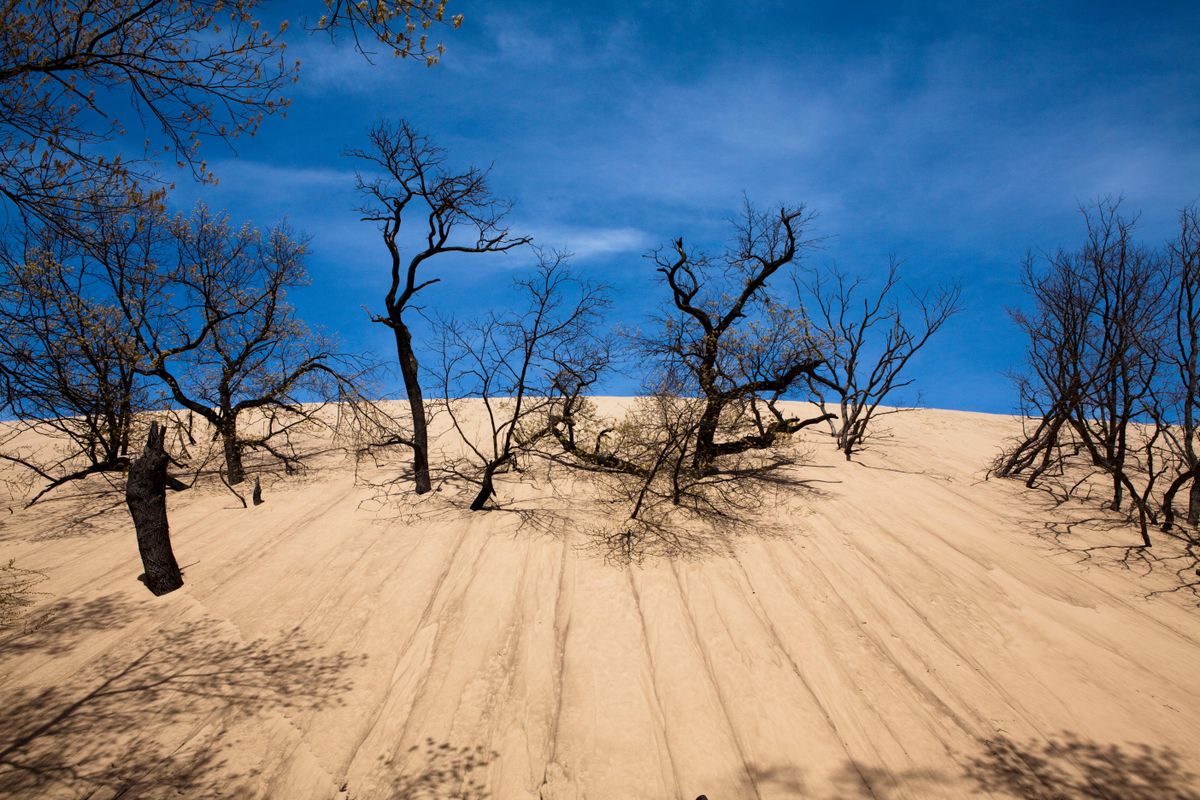
Have you ever wondered why Indiana's sand dunes are disappearing? These natural wonders, formed over thousands of years, are slowly fading away. The Indiana Dunes have long been a favorite spot for locals and tourists alike. People come to hike, swim, and enjoy the stunning views. However, erosion, human activity, and climate change are taking a toll on these beautiful landscapes. The shifting sands and changing weather patterns are causing the dunes to shrink. This loss affects not just the scenery but also the local wildlife and plant life that depend on this unique habitat. Understanding why this is happening can help us find ways to protect and preserve these natural treasures for future generations.
The Enigma of Indiana's Disappearing Sand Dunes
Indiana's sand dunes are a natural wonder, but they are slowly vanishing. These unique landscapes, formed over thousands of years, face threats from natural erosion and human activity. Let's explore some of the most fascinating dunes and understand why they are disappearing.
1. Mount Baldy
Mount Baldy, a towering dune at Indiana Dunes National Park, is a prime example of a shifting landscape. This 126-foot dune moves about four feet each year due to wind erosion. Visitors can hike up the dune for a panoramic view of Lake Michigan, but the shifting sands make it a challenging trek.
2. West Beach Dunes
West Beach offers a mix of towering dunes and scenic trails. The Dune Succession Trail showcases the stages of dune development, from bare sand to forested areas. However, increased foot traffic and natural erosion threaten the stability of these dunes.
3. Cowles Bog
Cowles Bog is a unique wetland area surrounded by dunes. Named after botanist Henry Chandler Cowles, this site is crucial for studying plant succession. The delicate balance of this ecosystem faces disruption from invasive species and changing water levels.
4. Kemil Beach Dunes
Kemil Beach features some of the most picturesque dunes along Lake Michigan. The sandy hills provide a perfect spot for sunbathing and picnicking. However, rising lake levels and storms have caused significant erosion, threatening the dunes' existence.
5. Pinhook Bog
Pinhook Bog is a rare quaking bog surrounded by sand dunes. This unique ecosystem is home to carnivorous plants and diverse wildlife. The fragile nature of the bog and surrounding dunes makes them susceptible to damage from human activity and climate change.
6. Indiana Dunes State Park
Indiana Dunes State Park boasts some of the tallest dunes in the region. The park's 3 Dune Challenge is a popular hike that takes visitors over three of the highest dunes. Despite conservation efforts, the dunes face threats from erosion and invasive species.
7. Miller Woods
Miller Woods, part of the Indiana Dunes National Park, offers a mix of dunes, wetlands, and forests. The diverse habitats support a variety of wildlife. However, urban development and pollution pose significant risks to this delicate environment.
8. Hoosier Prairie
Hoosier Prairie is a remnant of the once vast prairies that covered Indiana. The sand dunes here are interspersed with prairie grasses and wildflowers. Agricultural runoff and invasive species threaten the health of this unique landscape.
9. Dune Acres
Dune Acres is a small community nestled among the dunes. Residents enjoy stunning views and access to pristine beaches. However, the construction of homes and roads has altered the natural landscape, contributing to dune erosion.
10. Beverly Shores
Beverly Shores is known for its historic homes and beautiful dunes. The town's beachfront dunes are popular for hiking and birdwatching. Rising lake levels and severe weather events have accelerated erosion, putting these dunes at risk.
11. Portage Lakefront and Riverwalk
Portage Lakefront and Riverwalk offers a blend of sandy dunes and scenic trails. The area is a favorite spot for fishing and picnicking. However, industrial pollution and shoreline erosion threaten the health of the dunes and surrounding waters.
12. Long Beach
Long Beach features some of the oldest dunes along Lake Michigan. The dunes provide a natural barrier against storms and flooding. Human activities, such as construction and beach grooming, have disrupted the natural processes that sustain these dunes.
13. Ogden Dunes
Ogden Dunes is a residential community surrounded by sand dunes. The town's dunes offer a peaceful retreat for residents and visitors. However, urban development and shoreline erosion pose significant threats to the stability of the dunes.
14. Indiana Dunes National Park
Indiana Dunes National Park encompasses a diverse range of dunes, wetlands, and forests. The park's dunes are a vital part of the ecosystem, providing habitat for numerous species. Despite conservation efforts, the dunes face ongoing threats from erosion and human activity.
Preserving Indiana's Natural Wonders
Indiana's vanishing sand dunes are a reminder of nature's delicate balance. These unique landscapes, shaped by wind and water, face threats from human activity and climate change. Protecting them requires collective effort. Supporting conservation programs, reducing our carbon footprint, and spreading awareness can make a difference. Visiting the dunes responsibly, following guidelines, and respecting wildlife habitats help preserve their beauty for future generations.
The dunes are more than just a tourist attraction; they are a vital part of Indiana's ecosystem. They provide habitats for diverse species and act as natural barriers against erosion. By valuing and protecting these natural wonders, we ensure they remain a part of our world. Let's take action now to safeguard Indiana's sand dunes, so they continue to inspire and awe for years to come.