The Mystery Of Indiana’s Vanishing Coastal Dune Ecosystems
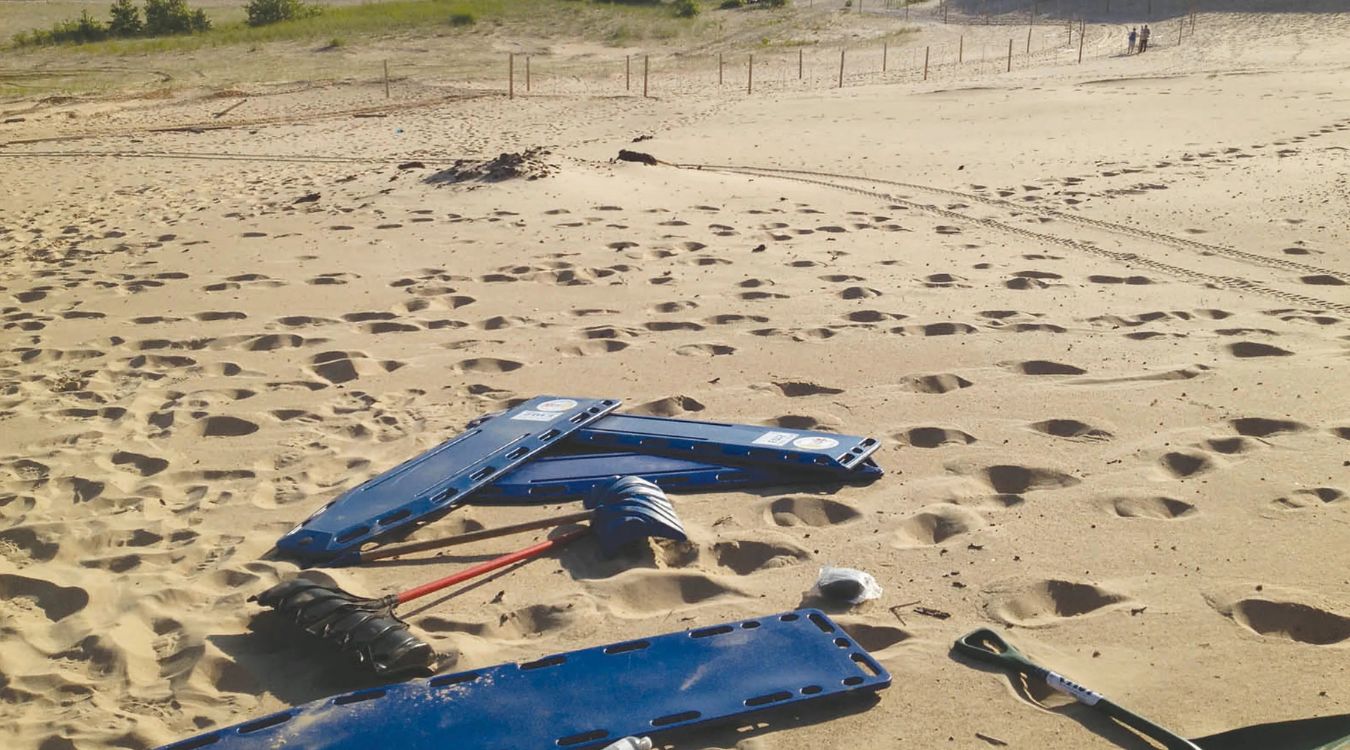
Have you ever wondered why Indiana's coastal dune ecosystems are disappearing? These unique landscapes, found along Lake Michigan, are home to diverse plants and animals. Over the years, human activities like construction, pollution, and recreational use have taken a toll on these fragile environments. Climate change also plays a role, causing rising water levels and stronger storms that erode the dunes. Conservation efforts are underway, but the challenge remains significant. Understanding the causes behind this issue is crucial for preserving these natural treasures for future generations. Let's dive into the factors contributing to the decline of Indiana's coastal dunes.
The Enigmatic Indiana Dunes
Indiana's coastal dune ecosystems are a natural wonder. These landscapes, shaped by wind and water, are home to unique flora and fauna. However, they are slowly disappearing. Let's explore some of the most fascinating spots within these ecosystems.
1. Indiana Dunes National Park
Indiana Dunes National Park stretches along 15 miles of Lake Michigan's southern shore. This park offers diverse habitats, from sandy beaches to wetlands.
- Mount Baldy: A massive, moving sand dune. It shifts about four feet each year.
- Cowles Bog: A wetland area with rare plants and animals. Named after botanist Henry Cowles.
- West Beach: Offers stunning views of the Chicago skyline. Great for swimming and hiking.
2. Indiana Dunes State Park
Adjacent to the national park, Indiana Dunes State Park features three miles of pristine beach. It’s a haven for nature lovers.
- Dune Succession Trail: A trail showcasing the stages of dune development. Climb the "3 Dune Challenge" for a workout.
- Nature Center: Learn about the park's history and ecosystems. Interactive exhibits make it fun for all ages.
- Beach Pavilion: A historic building offering amenities and stunning lake views.
3. Miller Woods
Miller Woods, part of the national park, is a hidden gem. It’s less crowded, making it perfect for a peaceful retreat.
- Paul H. Douglas Center: Offers educational programs and exhibits. Great for kids and adults alike.
- Oak Savanna: A rare ecosystem with towering oak trees. Home to many bird species.
- Trail System: Explore diverse landscapes, from wetlands to dunes. Trails are well-marked and accessible.
4. Heron Rookery
Heron Rookery is a birdwatcher's paradise. Located along the Little Calumet River, it’s a serene spot for nature observation.
- Spring Wildflowers: Visit in spring to see a carpet of wildflowers. Trilliums and violets are common.
- Birdwatching: Spot herons, egrets, and other waterfowl. Bring binoculars for the best experience.
- Fishing: The river is a popular spot for fishing. Catch bass, bluegill, and more.
5. Pinhook Bog
Pinhook Bog is a unique ecosystem within the national park. It’s a floating peat bog, rare in this region.
- Boardwalk Trail: A floating boardwalk lets you explore without damaging the bog. Look for carnivorous plants like pitcher plants.
- Guided Tours: Offered seasonally, these tours provide insight into the bog’s ecology. Reservations are recommended.
- Wildlife: Home to unique species like the spotted turtle. Keep an eye out for these elusive creatures.
6. Beverly Shores
Beverly Shores is a charming lakeside community within the national park. It’s known for its historic homes and beautiful beaches.
- Century of Progress Homes: Five homes from the 1933 Chicago World’s Fair. They showcase innovative designs from the era.
- Lake View Beach: A quiet beach with stunning sunsets. Perfect for a relaxing day by the water.
- Marsh Trail: A short trail through wetlands. Great for birdwatching and photography.
7. Great Marsh
The Great Marsh is the largest wetland complex in the Lake Michigan watershed. It’s a vital habitat for many species.
- Observation Deck: Offers panoramic views of the marsh. Ideal for spotting wildlife.
- Restoration Efforts: Learn about ongoing efforts to restore this critical habitat. Volunteers often help with planting and maintenance.
- Seasonal Changes: The marsh changes with the seasons. Visit in different months to see its full beauty.
8. Hoosier Prairie
Hoosier Prairie is a state nature preserve. It protects one of the last remnants of Indiana’s original prairie landscape.
- Prairie Flowers: In summer, the prairie blooms with wildflowers. Look for black-eyed Susans and coneflowers.
- Grassland Birds: Home to species like the Henslow’s sparrow. Birdwatchers will find plenty to see.
- Educational Programs: The preserve offers programs on prairie ecology. Great for school groups and families.
9. Mount Baldy
Mount Baldy is one of the tallest dunes in the national park. It’s a dynamic landscape, constantly changing.
- Guided Hikes: Learn about the dune’s movement and ecology. Hikes are led by knowledgeable rangers.
- Sandboarding: An adventurous way to experience the dune. Bring your board and give it a try.
- Photography: The shifting sands create unique photo opportunities. Capture the dune’s beauty at sunrise or sunset.
10. Kemil Beach
Kemil Beach is a lesser-known spot within the national park. It offers a quieter alternative to more popular beaches.
- Dune Ridge Trail: A scenic trail with views of the lake and dunes. Perfect for a leisurely hike.
- Picnic Area: Enjoy a meal with a view. Picnic tables are available near the beach.
- Swimming: The beach is great for swimming. The water is usually calm and clear.
Protecting Indiana's Coastal Dunes
Indiana's vanishing coastal dune ecosystems need our attention. These unique landscapes are home to diverse plant and animal species, some of which are found nowhere else. Human activities, climate change, and invasive species threaten these fragile environments.
Supporting conservation efforts is crucial. Simple actions like reducing pollution, participating in local clean-up events, and spreading awareness can make a difference. Visiting these areas responsibly helps too. Stick to marked trails, avoid disturbing wildlife, and respect posted signs.
Local organizations and government agencies work hard to protect these ecosystems. Volunteering or donating to these groups can provide much-needed support. Educating others about the importance of these dunes ensures future generations can enjoy them.
Indiana's coastal dunes are more than just beautiful landscapes. They are vital ecosystems that need our help. Let's do our part to preserve them for years to come.