

Secrets Of Indiana’s Ancient Coral Beds
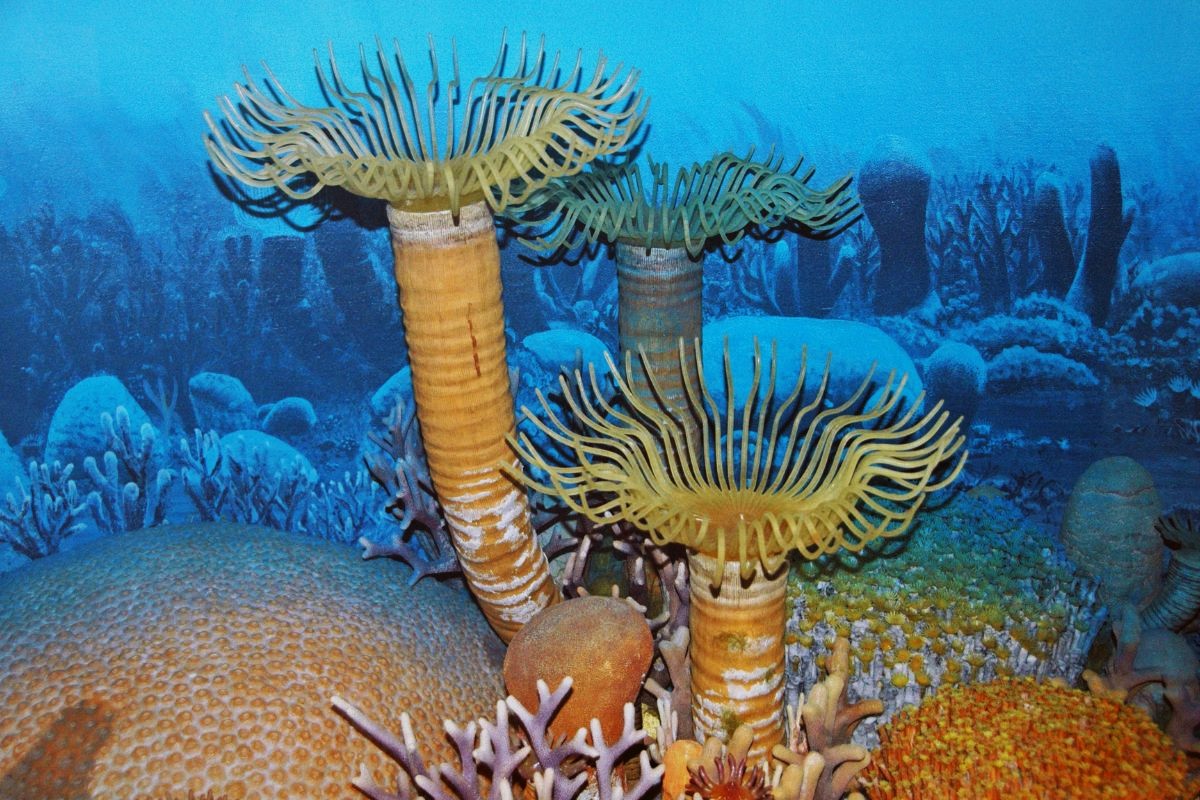
Did you know that Indiana was once covered by a shallow sea teeming with life? Indiana's ancient coral beds are a hidden gem that many people overlook. These fascinating formations date back over 350 million years to the Devonian period. Back then, the area was a tropical paradise filled with coral reefs, marine creatures, and clear waters. Today, you can visit places like Falls of the Ohio State Park to see these incredible fossils up close. Imagine walking on ground that was once the ocean floor, discovering remnants of ancient sea life. It's a unique experience that brings history to life in a way textbooks can't.
Discovering Indiana's Ancient Coral Beds
Indiana might not be the first place that comes to mind when thinking about ancient coral beds. However, this Midwestern state holds some fascinating geological secrets. Let's dive into the hidden treasures of Indiana's ancient coral beds.
1. Falls of the Ohio State Park
Located on the banks of the Ohio River, Falls of the Ohio State Park is a geological wonder. This park is home to one of the largest exposed Devonian fossil beds in the world. Visitors can walk on the ancient seabed and see fossils of corals, brachiopods, and other marine life that lived over 390 million years ago.
Highlights:
- Fossil Beds: Walk on ancient seabeds and see fossils up close.
- Interpretive Center: Learn about the history and geology of the area.
- Hiking Trails: Explore scenic trails along the Ohio River.
2. Indiana Caverns
Indiana Caverns offers a unique underground adventure. This cave system, part of the Binkley Cave System, features fossils embedded in the cave walls. These fossils include ancient corals and other marine life from the Mississippian period.
Highlights:
- Cave Tours: Guided tours showcasing fossils and geological formations.
- Ice Age Bones: Discover remains of Ice Age animals.
- Boat Ride: Enjoy an underground boat ride through the cave.
3. Oolitic Limestone Quarries
The small town of Oolitic is famous for its limestone quarries. The limestone here is rich in fossils, including ancient corals. This stone has been used in many famous buildings, including the Empire State Building and the Pentagon.
Highlights:
- Quarry Tours: Learn about the history of limestone mining.
- Fossil Hunting: Search for fossils in the limestone.
- Historical Significance: Discover the role of Oolitic limestone in architecture.
4. Clifty Falls State Park
Clifty Falls State Park offers more than just beautiful waterfalls. The park's rugged cliffs and gorges reveal layers of ancient rock, including fossilized corals. These formations date back to the Silurian period, around 420 million years ago.
Highlights:
- Waterfalls: Enjoy stunning views of the park's waterfalls.
- Hiking Trails: Explore trails that lead to fossil-rich areas.
- Geological Formations: See ancient coral fossils in the rock layers.
5. Spring Mill State Park
Spring Mill State Park combines natural beauty with historical significance. The park's caves and sinkholes contain fossils from the Mississippian period, including ancient corals. The park also features a restored pioneer village.
Highlights:
- Pioneer Village: Step back in time in the restored village.
- Cave Tours: Explore caves with fossilized corals.
- Nature Trails: Hike through scenic trails with geological features.
6. Wyandotte Caves
Wyandotte Caves, part of O'Bannon Woods State Park, are among the largest caves in Indiana. These caves contain fossils of ancient corals and other marine life. The caves have been a popular destination for explorers and geologists for over a century.
Highlights:
- Guided Tours: Discover the caves with knowledgeable guides.
- Fossil Formations: See fossils embedded in the cave walls.
- Historical Significance: Learn about the cave's history and exploration.
7. Marengo Cave
Marengo Cave, a U.S. National Landmark, offers a glimpse into Indiana's geological past. The cave's formations include fossils of ancient corals and other marine creatures. Visitors can take guided tours to explore the cave's wonders.
Highlights:
- Cave Tours: Guided tours showcasing fossil formations.
- Gem Mining: Try your hand at gem mining.
- Family Activities: Enjoy various activities for all ages.
8. Muscatatuck National Wildlife Refuge
Muscatatuck National Wildlife Refuge is a haven for wildlife and a treasure trove of geological history. The refuge's rock formations contain fossils of ancient corals and other marine life from the Devonian period.
Highlights:
- Wildlife Viewing: Spot diverse wildlife in their natural habitat.
- Fossil Hunting: Search for fossils in the rock formations.
- Scenic Trails: Explore trails through wetlands and forests.
9. Shades State Park
Shades State Park is known for its rugged terrain and deep ravines. The park's rock formations include fossils of ancient corals from the Mississippian period. Hikers can explore the park's trails and discover these geological wonders.
Highlights:
- Hiking Trails: Explore challenging trails with scenic views.
- Fossil Formations: See ancient coral fossils in the rock layers.
- Canoeing: Enjoy canoeing on Sugar Creek.
10. Turkey Run State Park
Turkey Run State Park offers a mix of natural beauty and geological history. The park's sandstone gorges and rock formations contain fossils of ancient corals. These formations date back to the Mississippian period, around 350 million years ago.
Highlights:
- Rock Formations: Discover fossilized corals in the sandstone.
- Hiking Trails: Explore trails through gorges and forests.
- Suspension Bridge: Cross the park's iconic suspension bridge.
Discovering Indiana's Hidden Gem
Indiana's ancient coral beds offer a unique glimpse into the past. These formations, millions of years old, tell stories of a time when the state was submerged under a warm, shallow sea. Exploring these coral beds is like stepping into a natural museum, where each fossil and rock formation reveals secrets of prehistoric life.
Visiting these sites isn't just for geologists. Anyone with a sense of curiosity will find something fascinating. The coral beds are accessible, making them a perfect day trip for families, school groups, or solo adventurers. Bring a camera, some sturdy shoes, and a sense of wonder.
Indiana's ancient coral beds are a reminder of the ever-changing nature of our planet. They connect us to a time long before humans walked the Earth, offering a humbling perspective on our place in history. Don't miss out on this incredible natural treasure.
