Secrets Of Bat Hibernation In Indiana’s Marengo Cave
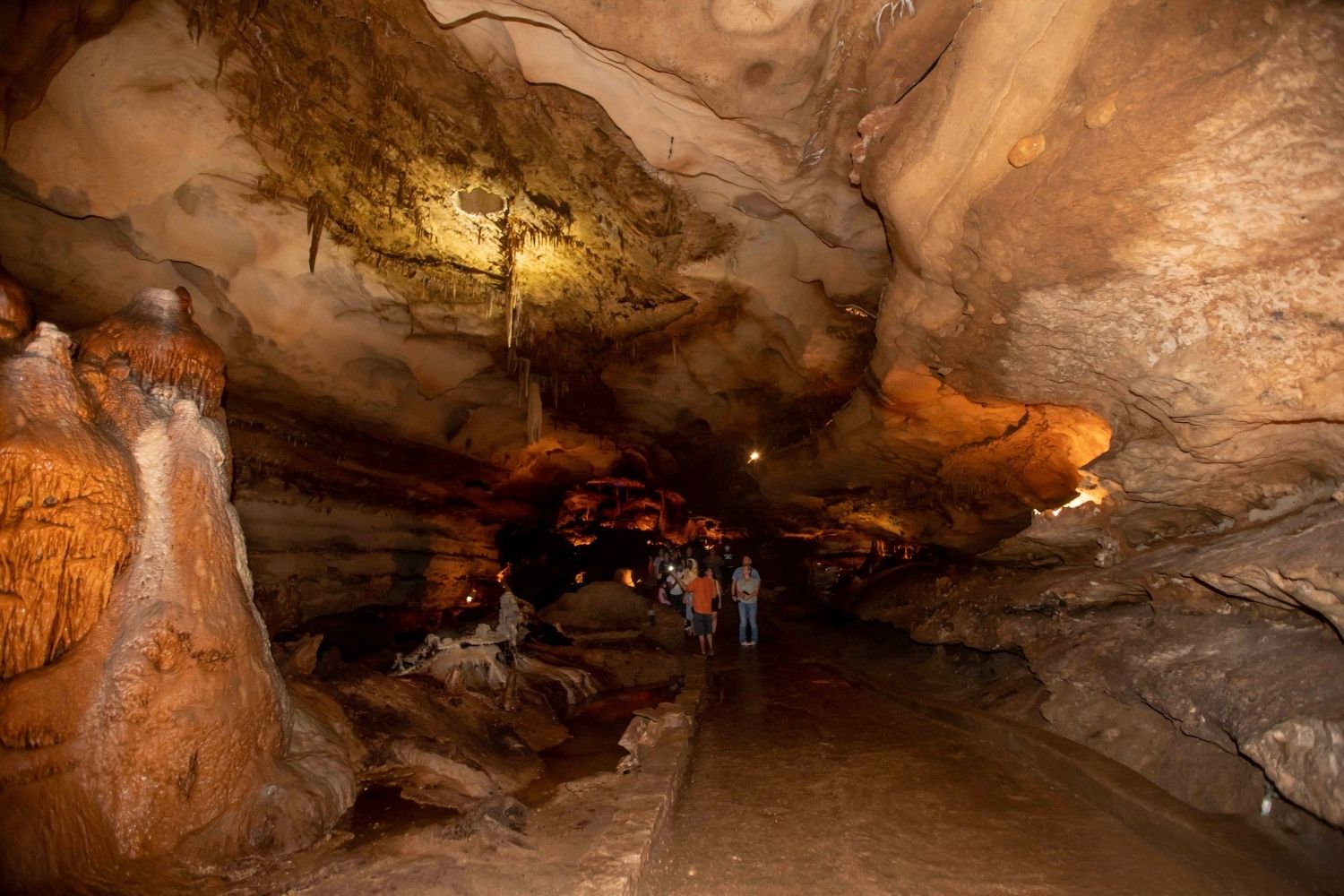
Have you ever wondered where bats go during the cold months? Indiana's Marengo Cave holds the answer. This fascinating cave system becomes a winter home for thousands of bats. These tiny creatures find refuge in the cave's dark, damp environment, perfect for hibernation. The constant temperature and humidity levels inside the cave provide an ideal setting for bats to conserve energy. As they hang upside down, their heart rates slow, and they enter a state of torpor. This helps them survive the harsh winter months when food is scarce. Visiting Marengo Cave offers a unique glimpse into the hidden world of bat hibernation.
Secrets of Bat Hibernation in Indiana's Marengo Cave
Marengo Cave in Indiana isn't just a stunning natural wonder; it's also a hidden sanctuary for bats. These fascinating creatures use the cave as a hibernation site, making it a crucial spot for bat conservation. Let's dive into the secrets of bat hibernation in this unique cave.
Why Marengo Cave?
Marengo Cave offers the perfect environment for bats to hibernate. The stable temperature and high humidity levels create an ideal habitat for these nocturnal creatures. Here are some reasons why bats choose this cave:
Stable Temperature: The cave maintains a consistent temperature year-round, which is crucial for bats during hibernation. This stability helps them conserve energy and survive the winter months.
High Humidity: Bats need a humid environment to prevent dehydration. Marengo Cave's high humidity levels provide the moisture bats need to stay healthy during hibernation.
Safety from Predators: The cave's secluded location offers protection from predators, ensuring a safe hibernation period for the bats.
Types of Bats in Marengo Cave
Several bat species call Marengo Cave their winter home. Each species has unique characteristics and behaviors. Here are some of the most common ones:
Indiana Bat: This endangered species is one of the primary residents of Marengo Cave. They hibernate in large clusters, which helps them conserve heat and energy.
Little Brown Bat: Known for their small size and brown fur, these bats are also frequent visitors to the cave. They prefer to hibernate in tight crevices within the cave walls.
Big Brown Bat: Larger than the Little Brown Bat, these bats are more solitary during hibernation. They can often be found hanging from the cave ceiling.
Hibernation Behavior
Understanding bat hibernation behavior is key to appreciating their survival strategies. Here are some fascinating aspects of their hibernation:
Torpor: During hibernation, bats enter a state called torpor. Their body temperature drops, and their metabolic rate slows down significantly, allowing them to conserve energy.
Periodic Arousal: Bats periodically wake up from torpor to drink water and adjust their position. This behavior helps them avoid dehydration and maintain muscle tone.
Fat Reserves: Before hibernation, bats build up fat reserves to sustain them through the winter. These reserves are crucial for their survival, as they don't eat during hibernation.
Conservation Efforts
Protecting bat populations in Marengo Cave is vital for their survival. Conservation efforts focus on preserving their habitat and ensuring a safe hibernation environment. Here are some key initiatives:
Cave Protection: Limiting human access to the cave during hibernation season helps reduce disturbances that can wake bats from torpor.
Habitat Restoration: Efforts to restore and maintain the cave's natural environment ensure that bats have a suitable place to hibernate.
Research and Monitoring: Ongoing research and monitoring of bat populations help scientists understand their needs and develop effective conservation strategies.
Marengo Cave is more than just a natural wonder; it's a vital sanctuary for bats. By understanding their hibernation secrets, we can better appreciate these incredible creatures and the importance of protecting their habitat.
Discovering Marengo Cave's Hidden Wonders
Marengo Cave offers a unique glimpse into the secretive world of bat hibernation. Visiting this natural wonder in Indiana, you can learn about the delicate balance these creatures maintain to survive the winter months. The cave's cool, stable environment provides the perfect conditions for bats to enter a state of torpor, conserving energy until spring arrives.
Exploring Marengo Cave not only reveals the fascinating lives of bats but also highlights the importance of preserving such habitats. By understanding and protecting these ecosystems, we ensure that bats continue to thrive, playing their crucial role in maintaining a healthy environment.
Next time you plan a trip, consider Marengo Cave. It's a chance to witness nature's marvels up close and gain a deeper appreciation for the intricate web of life that exists beneath the surface.