

Secrets Of Illinois’s Nachusa Grasslands Grass Research Plots
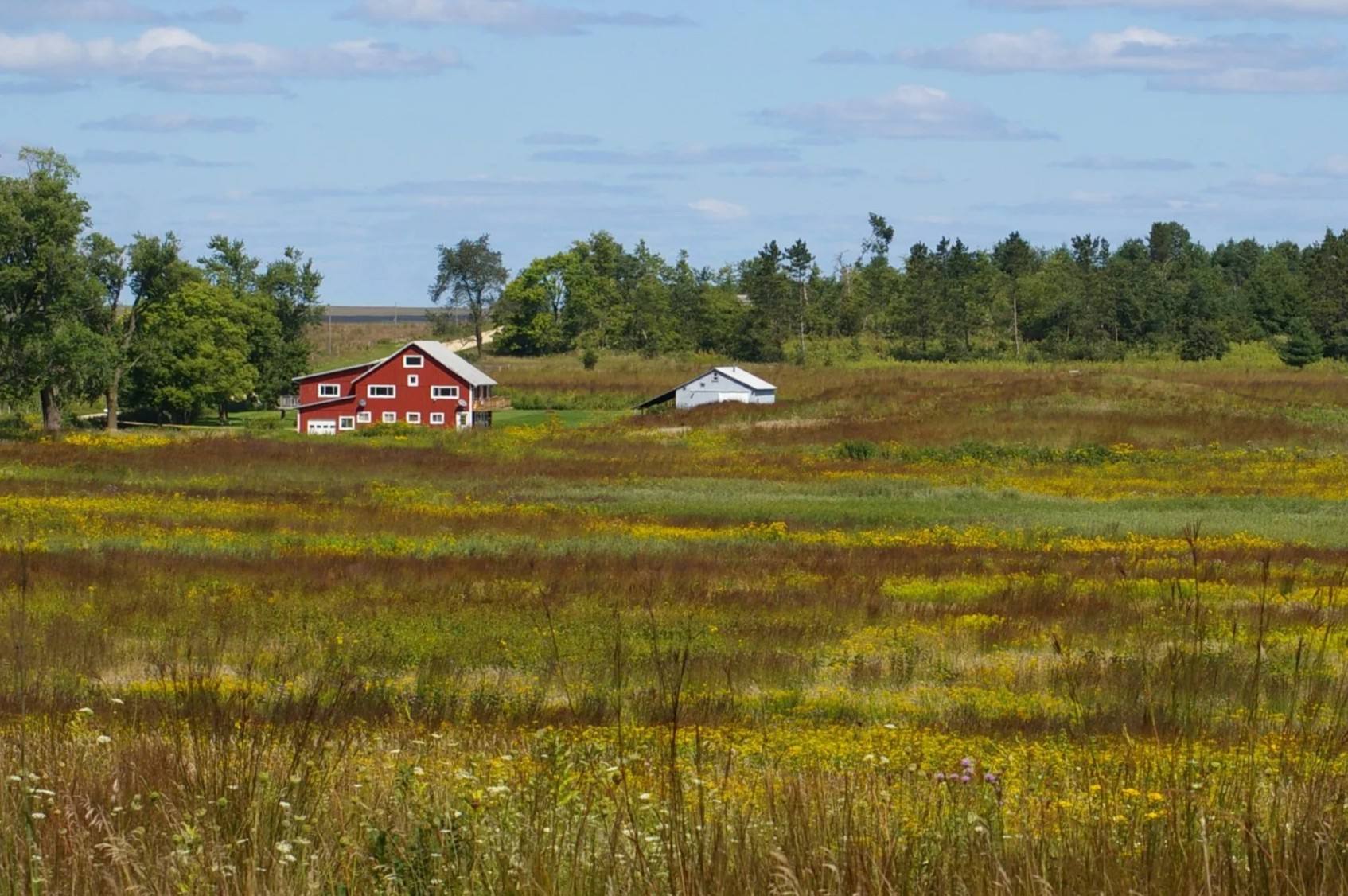
Have you ever wondered what makes the Nachusa Grasslands in Illinois so special? This hidden gem is home to unique grass research plots that offer a glimpse into the natural beauty and ecological importance of prairie landscapes. These plots are not just for scientists; they provide a living classroom for anyone interested in nature. From rare plant species to diverse wildlife, the grasslands are a treasure trove of biodiversity. Whether you're a nature enthusiast or just looking for a peaceful escape, the Nachusa Grasslands offer something for everyone. Ready to learn more about this fascinating place? Let's dive in!
Discovering the Nachusa Grasslands
The Nachusa Grasslands in Illinois is a hidden gem for nature lovers and researchers alike. This sprawling prairie is home to a variety of ecosystems and species, making it a perfect spot for grass research plots. Let's dive into some of the most intriguing spots within this natural wonder.
The Big Bluestem Plot
The Big Bluestem Plot is a must-see for anyone interested in tallgrass prairies. This area is dedicated to studying one of the most iconic prairie grasses, Big Bluestem.
- Big Bluestem: Known for its towering height, this grass can reach up to 8 feet tall. Researchers study its growth patterns and its role in the prairie ecosystem.
The Little Bluestem Plot
Next up is the Little Bluestem Plot. This plot focuses on a shorter, yet equally important grass species.
- Little Bluestem: This grass is known for its beautiful blue-green color and its ability to thrive in various soil types. Researchers here examine its adaptability and resilience.
The Indian Grass Plot
The Indian Grass Plot is another fascinating area within the Nachusa Grasslands. This plot is dedicated to studying Indian Grass, a key species in prairie restoration.
- Indian Grass: With its golden plumes, Indian Grass is not only visually stunning but also crucial for soil health. Researchers focus on its role in preventing soil erosion and supporting other plant species.
The Switchgrass Plot
Switchgrass is a versatile and hardy grass species, making it a focal point for research in the Switchgrass Plot.
- Switchgrass: This grass is studied for its potential as a biofuel source. Researchers are also interested in its ability to sequester carbon and improve soil quality.
The Prairie Dropseed Plot
The Prairie Dropseed Plot is a unique area dedicated to a grass species known for its delicate, airy appearance.
- Prairie Dropseed: This grass is studied for its aesthetic value and its role in prairie ecosystems. Researchers examine its growth patterns and its interactions with other plant species.
The Sideoats Grama Plot
Sideoats Grama is a lesser-known but equally important grass species studied in its dedicated plot.
- Sideoats Grama: This grass is known for its distinctive oat-like seeds that hang from one side of the stem. Researchers focus on its drought resistance and its role in supporting prairie wildlife.
The Bison Grazing Area
No visit to the Nachusa Grasslands would be complete without seeing the Bison Grazing Area. This area is not a research plot per se, but it plays a crucial role in maintaining the health of the prairie.
- Bison: These majestic animals help manage the grasslands by grazing, which promotes plant diversity and prevents overgrowth. Researchers study the impact of bison grazing on various grass species and overall prairie health.
The Wildflower Meadow
While primarily focused on grasses, the Nachusa Grasslands also boasts a stunning Wildflower Meadow.
- Wildflower Meadow: This area is a riot of colors during blooming season. Researchers study the interactions between wildflowers and grasses, as well as the pollinators that visit this vibrant plot.
The Wetland Area
The Wetland Area within the Nachusa Grasslands is a vital research site for studying the interplay between water and prairie ecosystems.
- Wetland Area: This plot is home to a variety of water-loving plants and animals. Researchers focus on water quality, plant diversity, and the role of wetlands in supporting the broader prairie ecosystem.
The Restoration Area
The Restoration Area is a testament to the ongoing efforts to bring back the native prairie landscape.
- Restoration Area: This plot showcases the techniques used to restore prairie ecosystems, from controlled burns to planting native species. Researchers monitor the success of these efforts and their impact on biodiversity.
The Visitor Center
Finally, the Visitor Center is the perfect place to wrap up your visit to the Nachusa Grasslands.
- Visitor Center: Here, you can learn more about the research being conducted, the history of the grasslands, and how you can get involved in conservation efforts. It's a great spot to reflect on the beauty and importance of this unique natural area.
Why Nachusa Grasslands Matter
Nachusa Grasslands is more than just a pretty place. It's a living lab where scientists study how grasslands work. This helps us understand how to protect these important ecosystems. The grass research plots show how different grasses grow and interact. This knowledge can help restore other grasslands around the world.
Visiting Nachusa Grasslands offers a unique chance to see this research in action. You can walk through the plots, see the bison, and learn about the plants and animals that live there. It's a great way to connect with nature and learn something new.
Supporting places like Nachusa Grasslands is crucial. They help us learn how to take care of our planet. So next time you're in Illinois, consider a visit. You'll leave with a deeper appreciation for the natural world and the work being done to protect it.
