Hidden Pioneer Settlements Along Idaho’s Oregon Trail
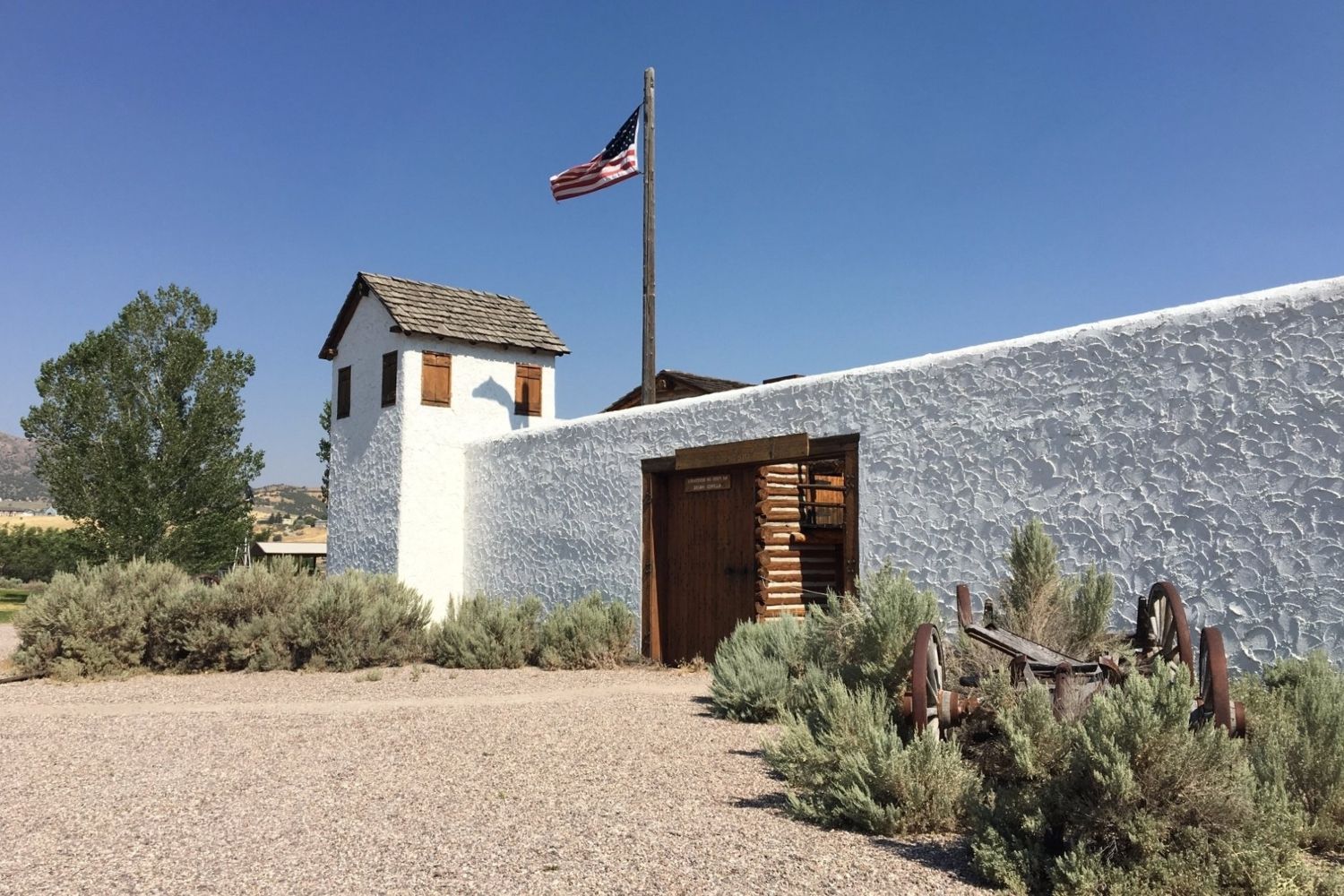
Ever wondered about the hidden pioneer settlements along Idaho's Oregon Trail? These historic spots offer a glimpse into the lives of early settlers who braved the rugged terrain. From old trading posts to abandoned homesteads, each location tells a unique story of perseverance and adventure. Imagine walking the same paths as those pioneers, feeling the spirit of exploration in the air. Whether you're a history buff or just love a good adventure, these hidden gems are worth the visit. Pack your bags, grab a map, and get ready to uncover the secrets of Idaho's Oregon Trail.
Hidden Pioneer Settlements Along Idaho's Oregon Trail
The Oregon Trail is a historic route that once guided pioneers westward in search of new beginnings. Idaho, with its rugged landscapes and rich history, holds many hidden settlements that tell tales of those early days. Let's uncover some of these fascinating places.
1. Fort Hall
Fort Hall served as a crucial trading post and rest stop for weary travelers. Established in 1834, it became a bustling hub where pioneers could resupply and rest before continuing their journey.
- Historical Significance: Fort Hall was a key location for trade between Native Americans and settlers.
- Modern Day: Today, it stands as a reminder of the past, with a replica fort and museum showcasing its history.
2. Massacre Rocks
Massacre Rocks, despite its ominous name, is a site filled with history and natural beauty. Pioneers often camped here, taking advantage of the Snake River's resources.
- Historical Significance: Named after a skirmish between emigrants and Native Americans, it holds many stories of survival.
- Modern Day: Visitors can explore the state park, hike trails, and see the famous "Register Rock" where pioneers carved their names.
3. City of Rocks
City of Rocks is a natural wonder that also served as a landmark for those on the Oregon Trail. Its unique rock formations provided both a navigational aid and a place to rest.
- Historical Significance: Pioneers left inscriptions on the rocks, marking their passage.
- Modern Day: The area is now a national reserve, popular for rock climbing and hiking.
4. Three Island Crossing
Three Island Crossing was one of the most challenging river crossings on the trail. Pioneers had to carefully navigate the Snake River, often with great difficulty.
- Historical Significance: This crossing was a critical point where many decided whether to continue on the trail or take an alternate route.
- Modern Day: The site is now a state park with interpretive centers and reenactments of the crossing.
5. Fort Boise
Fort Boise was another important stop for pioneers. Originally established by the Hudson's Bay Company, it provided much-needed supplies and protection.
- Historical Significance: Fort Boise played a vital role in the survival of many emigrants.
- Modern Day: The original site is marked by a monument, with a nearby town named after it.
6. Register Cliff
Register Cliff is a sandstone cliff where pioneers carved their names, leaving a lasting record of their journey.
- Historical Significance: This site served as a historical register for those passing through.
- Modern Day: It remains a historical landmark, with many inscriptions still visible today.
7. Soda Springs
Soda Springs offered a unique respite for travelers with its natural carbonated springs. Pioneers often stopped here to rest and enjoy the unusual waters.
- Historical Significance: The springs were a well-known landmark and provided a refreshing break.
- Modern Day: The town of Soda Springs still celebrates its history, with the springs accessible to visitors.
8. Fort Bridger
Fort Bridger, though technically in Wyoming, was a critical stop for those on the Oregon Trail heading through Idaho. Established by Jim Bridger, it offered supplies and a place to rest.
- Historical Significance: Fort Bridger was a key resupply point and trading post.
- Modern Day: The fort is now a historic site with reconstructed buildings and a museum.
9. Glenns Ferry
Glenns Ferry was another significant crossing point on the Snake River. It provided a safer alternative to the treacherous Three Island Crossing.
- Historical Significance: The ferry service helped many pioneers cross the river safely.
- Modern Day: The town of Glenns Ferry celebrates its heritage with an annual reenactment of the river crossing.
10. Raft River
Raft River was a critical junction where the California Trail split from the Oregon Trail. Pioneers had to decide their final destination here.
- Historical Significance: This junction was a pivotal decision point for many emigrants.
- Modern Day: The area is marked by historical signs and offers a glimpse into the past.
Discovering Idaho's Hidden Pioneer Settlements
Idaho's hidden pioneer settlements along the Oregon Trail offer a unique glimpse into the past. These spots, rich in history, tell stories of bravery, hardship, and hope. Visiting these places, you can almost hear the echoes of wagon wheels and the voices of settlers. Sites like Fort Hall, Massacre Rocks, and Three Island Crossing are more than just historical markers; they are windows into the lives of those who shaped the American West.
Exploring these settlements is not just about learning history; it's about experiencing it. Walking the same paths, seeing the same landscapes, and feeling the same challenges those pioneers faced brings history to life. Whether you're a history buff or just looking for a unique adventure, Idaho's pioneer settlements along the Oregon Trail offer an unforgettable journey into America's past.