

Secrets Of Hawaii’s Marine Ecosystem Research
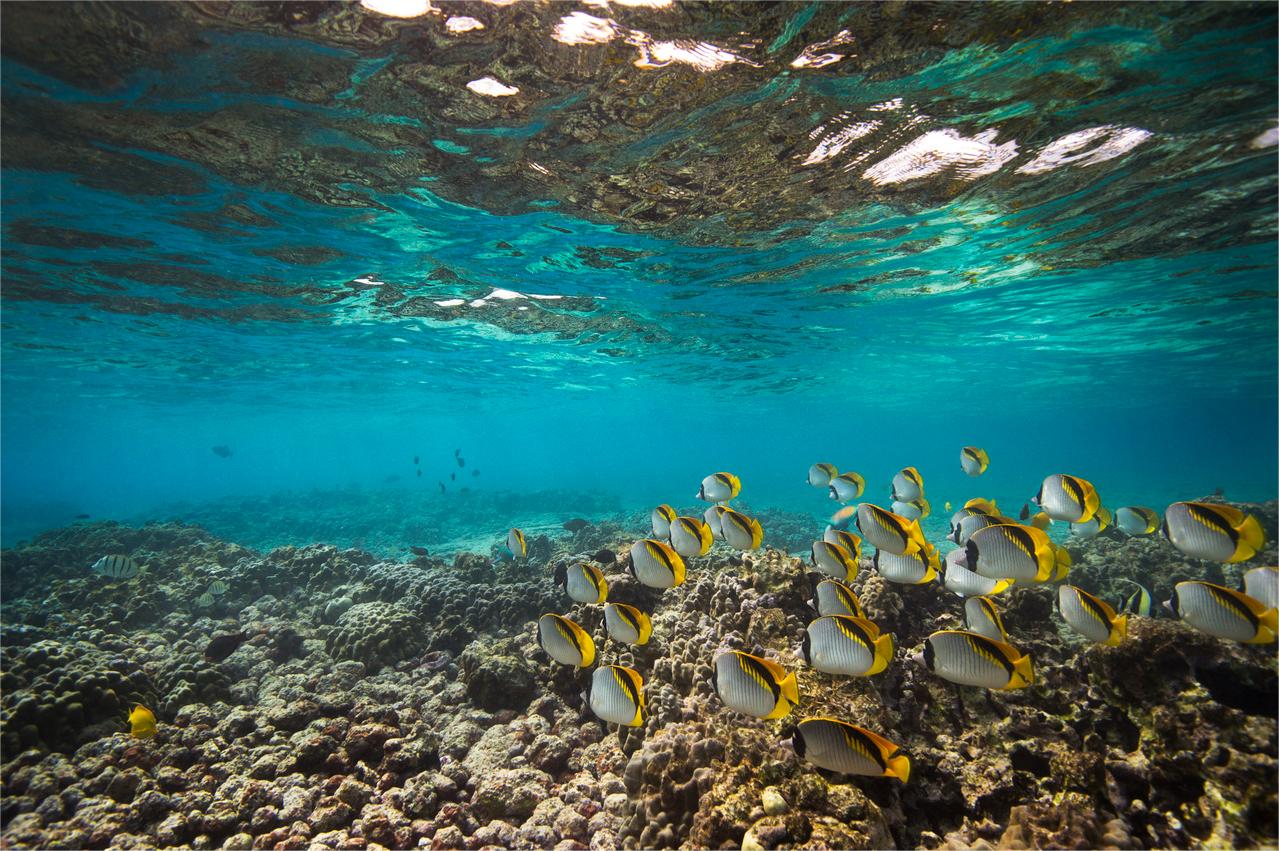
Have you ever wondered what lies beneath the sparkling waters of Hawaii? The marine ecosystem around these islands is a treasure chest of vibrant life and hidden secrets. From colorful coral reefs to mysterious deep-sea creatures, Hawaii's underwater world is a marvel. Scientists and researchers work tirelessly to study and protect this delicate environment. They uncover new species, track the health of coral reefs, and monitor the impact of human activities. Their efforts help ensure that future generations can enjoy the beauty and diversity of Hawaii's marine life. Dive in with us as we explore the wonders of Hawaii's marine ecosystem research.
Secrets of Hawaii's Marine Ecosystem Research
Hawaii's marine ecosystem is a vibrant and diverse underwater world. Researchers have been uncovering its secrets for years. Let's dive into some of the most fascinating places where marine research is conducted in Hawaii.
Coral Reefs: The Underwater Cities
Coral reefs are often called the rainforests of the sea. They are home to a vast array of marine life and are crucial for the health of the ocean.
Molokini Crater: This crescent-shaped volcanic crater near Maui is a marine sanctuary. Researchers study its clear waters to understand coral health and fish populations.
Hanauma Bay: Located on Oahu, this bay is a popular snorkeling spot. Scientists here focus on coral restoration and the impact of human activity on marine life.
Kona Coast: The reefs along the Kona Coast are rich in biodiversity. Researchers investigate the effects of climate change on coral bleaching and reef resilience.
Marine Mammals: Guardians of the Ocean
Marine mammals play a critical role in maintaining the balance of the marine ecosystem. Hawaii is a prime location for studying these majestic creatures.
Humpback Whale Sanctuary: Every winter, humpback whales migrate to Hawaiian waters. Researchers study their behavior, migration patterns, and the impact of noise pollution on these gentle giants.
Spinner Dolphin Research: Off the coast of Lanai, scientists observe spinner dolphins. They focus on their social structures, communication, and the effects of tourism on their natural behavior.
Monk Seal Habitats: The Hawaiian monk seal is one of the most endangered marine mammals. Researchers work in the Northwestern Hawaiian Islands to protect their habitats and study their diet and health.
Deep-Sea Exploration: The Final Frontier
The deep sea remains one of the least explored areas on Earth. Hawaii's unique location provides a gateway to this mysterious world.
Hawaii Undersea Research Laboratory (HURL): Located at the University of Hawaii, HURL uses submersibles to explore deep-sea ecosystems. They study hydrothermal vents, deep-sea corals, and unique marine species.
Loihi Seamount: An underwater volcano south of the Big Island, Loihi is a hotspot for geological and biological research. Scientists investigate its volcanic activity and the unique life forms that thrive in these extreme conditions.
Papahānaumokuākea Marine National Monument: This vast protected area encompasses remote islands and atolls. Researchers study its deep-sea habitats, focusing on biodiversity and the impacts of climate change.
Marine Conservation: Protecting the Future
Conservation efforts are vital for preserving Hawaii's marine ecosystem for future generations. Several initiatives are underway to protect these precious resources.
Kaho'olawe Island Reserve: Once used as a military training ground, Kaho'olawe is now a site for marine conservation. Researchers work on habitat restoration and the reintroduction of native species.
Maui Ocean Center Marine Institute: This institute focuses on rescuing and rehabilitating injured sea turtles. They also conduct research on turtle health and the threats they face from pollution and fishing.
Coral Restoration Projects: Across the Hawaiian Islands, various projects aim to restore damaged coral reefs. Scientists grow coral in nurseries and transplant them to affected areas to promote reef recovery.
Hawaii's marine ecosystem research is a testament to the dedication of scientists and conservationists. Their work helps us understand and protect the incredible underwater world that surrounds these beautiful islands.
The Beauty of Hawaii's Marine Life
Hawaii's marine ecosystem is a treasure. From vibrant coral reefs to diverse marine species, it offers a glimpse into an underwater paradise. Research efforts are crucial for preserving this natural wonder. Scientists and conservationists work tirelessly to protect these delicate habitats. Their studies help us understand the impact of climate change, pollution, and human activities on marine life.
Visitors can also play a role in conservation. Simple actions like respecting marine life, avoiding plastic waste, and supporting eco-friendly tours make a difference. By appreciating and protecting Hawaii's marine ecosystem, we ensure its beauty for future generations.
Next time you visit Hawaii, take a moment to explore its underwater world. You'll not only witness breathtaking sights but also contribute to the preservation of this unique environment. Hawaii's marine life is a gift worth cherishing.
