Secrets Of Hawaii’s Kilauea Crater Vents
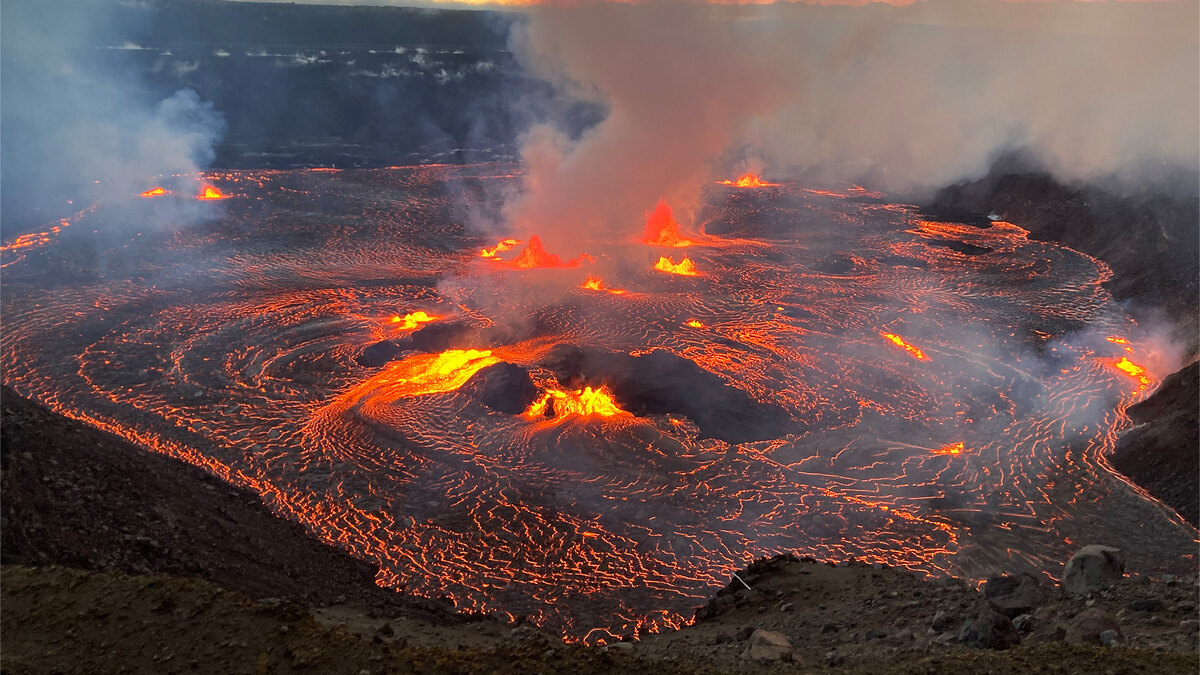
Have you ever wondered what makes Hawaii's Kilauea Crater so special? This volcanic wonder is one of the most active volcanoes on Earth. Its crater vents are a sight to behold, constantly changing and offering new surprises. Imagine standing at the edge, feeling the heat and hearing the rumble from deep within. The landscape around Kilauea is otherworldly, with steam rising from cracks in the ground and lava flows creating new land. Whether you're a geology enthusiast or just love natural wonders, Kilauea's crater vents will leave you in awe. Ready to learn more about this incredible place? Let's dive in!
The Mystique of Kilauea Crater Vents
Kilauea, one of Hawaii's most active volcanoes, holds many secrets. Its crater vents are not just geological wonders but also windows into the Earth's fiery heart. Let's explore some of the most fascinating vents that make Kilauea a must-visit destination.
Halemaʻumaʻu Crater
Halemaʻumaʻu Crater is perhaps the most famous vent within Kilauea. Known for its dramatic lava lake, this vent offers a glimpse into the raw power of volcanic activity.
Halemaʻumaʻu Overlook: This viewpoint provides a safe yet thrilling perspective of the crater. You can often see steam and gas plumes rising, especially during active periods.
Jaggar Museum: Although currently closed, the museum's location offers another excellent vantage point for observing Halemaʻumaʻu. The museum itself houses fascinating exhibits on volcanology.
Puʻu ʻŌʻō Vent
Puʻu ʻŌʻō has been erupting almost continuously since 1983, making it one of the longest-lived eruptions in history. This vent has shaped much of Kilauea's landscape.
Puʻu ʻŌʻō Trail: This trail leads you close to the vent, where you can witness the aftermath of lava flows. The terrain is rugged, so sturdy shoes are a must.
Kalapana Viewing Area: From here, you can see the lava flows from Puʻu ʻŌʻō as they make their way to the ocean. The sight of molten rock meeting water is unforgettable.
Mauna Ulu
Mauna Ulu, which means "Growing Mountain," erupted from 1969 to 1974. Its vents have created a landscape that looks almost otherworldly.
Mauna Ulu Trail: This hike takes you across lava fields and up to the vent itself. The views from the top are panoramic, offering a unique perspective of Kilauea.
Napau Crater: Located near Mauna Ulu, this crater is accessible via a challenging hike. The trail passes through lush rainforests before opening up to the stark volcanic landscape.
Kīlauea Iki Crater
Kīlauea Iki, meaning "Little Kilauea," erupted in 1959. Its vent produced a lava lake that has since solidified, creating a fascinating hiking destination.
Kīlauea Iki Trail: This trail descends into the crater, allowing you to walk across the now-solid lava lake. Steam vents and cracks remind you of the crater's fiery past.
Devastation Trail: This short, easy hike offers views of the area devastated by the 1959 eruption. The landscape is a stark contrast of barren lava and regenerating forest.
Fissure 8
Fissure 8 gained notoriety during the 2018 lower Puna eruption. This vent produced massive lava flows that reshaped the landscape and captured global attention.
Leilani Estates: The neighborhood most affected by Fissure 8, Leilani Estates, offers a sobering look at the power of volcanic activity. Guided tours provide insights into the eruption's impact.
Lava Tree State Monument: Nearby, this park features lava molds of trees engulfed by past eruptions. It's a hauntingly beautiful reminder of nature's force.
Kīlauea Caldera
The caldera itself is a massive depression formed by the collapse of the volcano's summit. Within it, several vents continue to shape the landscape.
Crater Rim Drive: This scenic drive circles the caldera, offering multiple viewpoints of various vents and craters. Each stop provides a different perspective of Kilauea's dynamic nature.
Steam Vents: Located along Crater Rim Drive, these vents release steam from rainwater seeping into the hot volcanic rock. The area is lush with vegetation, creating a striking contrast.
Conclusion
Kilauea's crater vents are more than just geological features; they are living, breathing parts of the Earth. Each vent tells a story of creation and destruction, making Kilauea a captivating destination for anyone interested in the natural world.
Embracing the Wonders of Kilauea Crater Vents
Kilauea Crater Vents offer a unique glimpse into the raw power of nature. The volcanic activity here shapes the landscape, creating a dynamic environment that constantly evolves. Exploring these vents provides an unforgettable experience, from the steaming vents to the lava flows that carve new paths.
Visitors can witness the geological marvels up close, gaining a deeper appreciation for Earth's natural processes. Whether you're hiking the trails, observing the vents, or learning about the volcano's history, Kilauea offers something for everyone.
Remember to respect the environment and follow safety guidelines to ensure a safe and enjoyable visit. Kilauea Crater Vents are not just a sight to see but a reminder of the planet's incredible forces at work. Plan your trip and immerse yourself in the wonders of this volcanic wonderland.