Secrets Of Hawaii’s Kilauea Crater Fumaroles
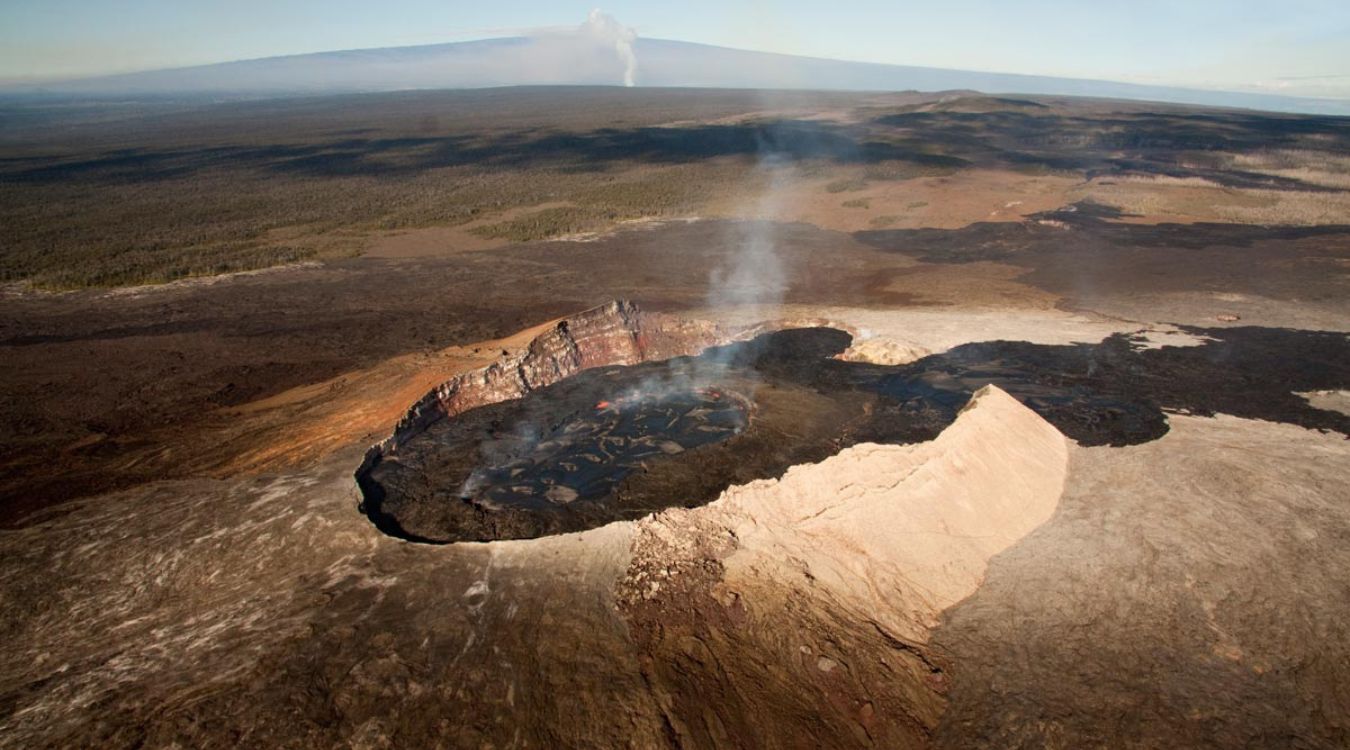
Have you ever wondered what makes Hawaii's Kilauea Crater fumaroles so captivating? These steam vents, found in one of the world's most active volcanoes, offer a glimpse into the Earth's fiery core. As you stand near the crater, you'll see steam rising from cracks in the ground. This steam is created when rainwater seeps into the hot volcanic rock below. The fumaroles not only create an otherworldly landscape but also provide scientists with valuable information about volcanic activity. Visiting Kilauea Crater is like stepping into a natural laboratory where you can witness the raw power of nature up close.
The Mystique of Kilauea Crater
Kilauea Crater, located on the Big Island of Hawaii, is one of the most active volcanoes on Earth. Its fumaroles, or steam vents, offer a glimpse into the powerful forces at work beneath the surface. These natural features are not just fascinating to scientists but also to travelers seeking a unique experience.
What Are Fumaroles?
Fumaroles are openings in the Earth's crust that emit steam and gases. These gases include water vapor, carbon dioxide, sulfur dioxide, and hydrogen sulfide. The steam and gases are released from magma beneath the surface, making fumaroles a direct link to the volcanic activity below.
Why Visit Kilauea's Fumaroles?
Visiting Kilauea's fumaroles provides a rare opportunity to witness the raw power of nature. The sight of steam rising from the ground, the smell of sulfur in the air, and the sound of hissing gases create an unforgettable sensory experience. Here are some of the best spots to experience these natural wonders.
- Sulphur Banks (Ha'akulamanu)
Located within Hawaii Volcanoes National Park, Sulphur Banks is a must-see. The area is easily accessible via a short walk from the Kilauea Visitor Center. Here, you can see colorful mineral deposits and feel the heat emanating from the ground. The smell of sulfur is strong, so be prepared!
- Steam Vents
Just a short drive from the Kilauea Visitor Center, the Steam Vents area offers a closer look at fumaroles. The steam rising from the ground creates an otherworldly atmosphere. This spot is perfect for photos and offers a unique perspective on the volcanic activity below.
- Crater Rim Drive
Crater Rim Drive is a scenic route that circles the Kilauea Caldera. Along the way, you'll find several pullouts where you can observe fumaroles up close. Each stop offers a different view of the crater and its steam vents, making it a great way to explore the area.
- Halema'uma'u Crater
Halema'uma'u Crater, located within the Kilauea Caldera, is another prime spot for viewing fumaroles. The crater has been active for years, and its fumaroles are a testament to the ongoing volcanic activity. The overlook provides a safe vantage point to witness this natural phenomenon.
- Devastation Trail
Devastation Trail offers a unique perspective on the aftermath of a volcanic eruption. The trail leads through a landscape that was buried by lava and ash in 1959. Along the way, you'll encounter fumaroles and other volcanic features that highlight the power of Kilauea.
- Thurston Lava Tube
While not a fumarole itself, the Thurston Lava Tube is a fascinating feature formed by flowing lava. The tube is located within a lush rainforest, and the contrast between the green foliage and the dark lava rock is striking. Nearby, you can find small fumaroles that add to the area's mystique.
- Pu'u Loa Petroglyphs
The Pu'u Loa Petroglyphs site offers a glimpse into the cultural significance of Kilauea. The ancient carvings on the lava rock tell the story of the native Hawaiian people and their relationship with the volcano. Fumaroles in the area add to the sense of history and mystery.
- Chain of Craters Road
Chain of Craters Road descends from the summit of Kilauea to the coast, passing through a variety of volcanic landscapes. Along the way, you'll encounter fumaroles, lava fields, and stunning views of the ocean. This drive is a great way to see the diverse features of the volcano.
- Mauna Ulu
Mauna Ulu is a volcanic cone that erupted between 1969 and 1974. The area around Mauna Ulu is dotted with fumaroles and other volcanic features. A hike to the summit offers panoramic views of the surrounding landscape and a close-up look at the fumaroles.
- Kipuka Puaulu (Bird Park)
Kipuka Puaulu, also known as Bird Park, is a unique area within Hawaii Volcanoes National Park. The park is home to a variety of native plants and birds, and its volcanic soil supports a diverse ecosystem. Fumaroles in the area add to the park's natural beauty and intrigue.
Embracing the Wonders of Kilauea Crater Fumaroles
Kilauea Crater's fumaroles offer a unique glimpse into Hawaii's volcanic activity. These steam vents, with their vibrant colors and sulfuric smells, showcase the island's raw power. Visiting this natural wonder provides an unforgettable experience, blending adventure with education.
Remember to respect the environment while exploring. Stay on marked paths, follow safety guidelines, and take only photos, leaving nature undisturbed. This ensures future generations can also enjoy Kilauea's beauty.
Whether you're a geology enthusiast or just love nature, Kilauea Crater fumaroles are a must-see. They remind us of Earth's dynamic processes and the ever-changing landscape of Hawaii. So pack your bags, grab your camera, and get ready to witness one of nature's most fascinating displays.