Secrets Of Hawaii’s Ghost Forest
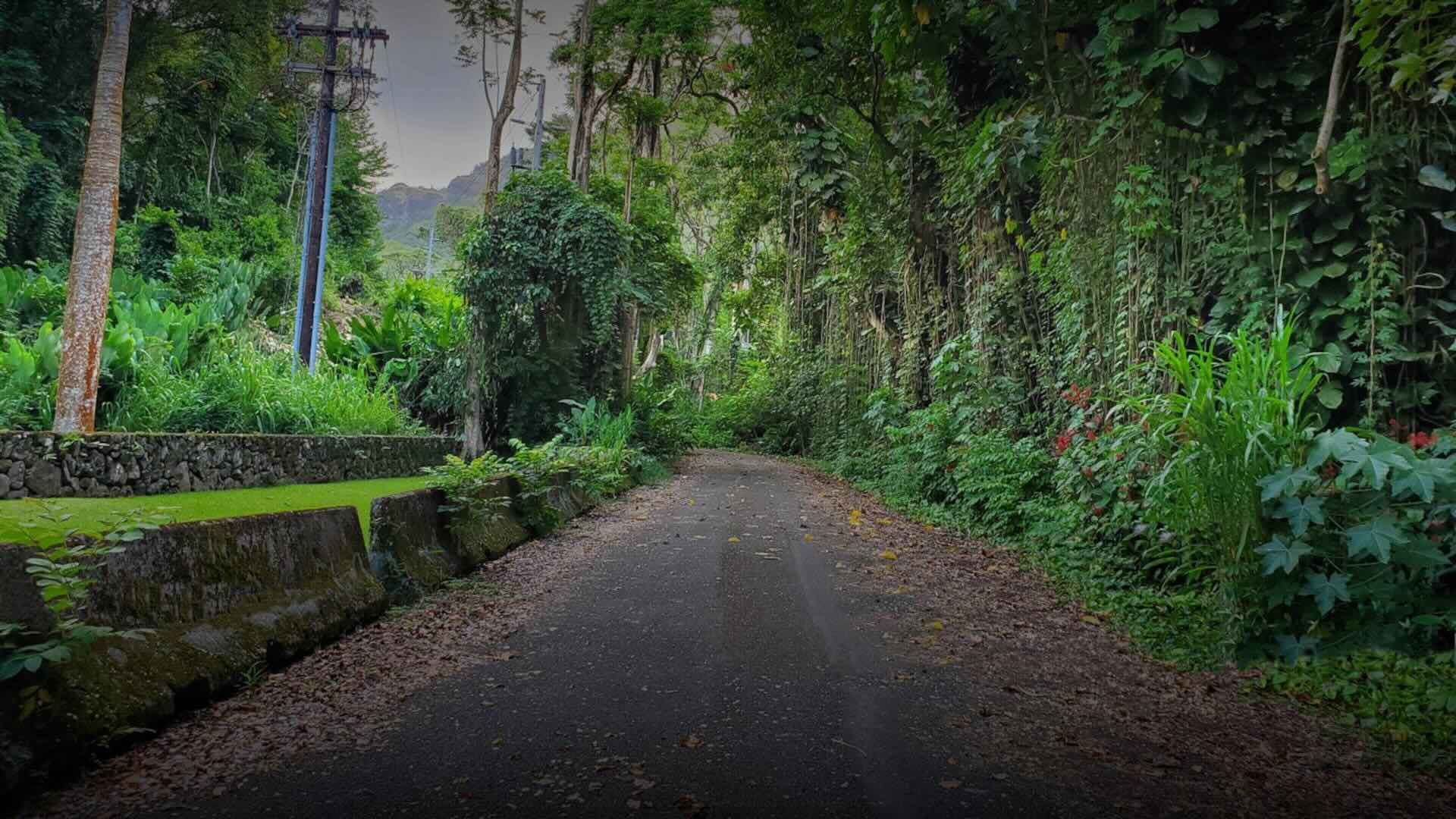
Have you ever heard of Hawaii's Ghost Forest? This eerie yet fascinating place is a hidden gem on the Big Island. Imagine walking through a forest where ancient trees stand like silent sentinels, their roots submerged in water. These trees, once part of a lush forest, now create a hauntingly beautiful landscape. The Ghost Forest offers a unique glimpse into Hawaii's natural history and the powerful forces of nature. Whether you're an adventurer or a nature lover, this mysterious forest will captivate your imagination. Ready to learn more about this intriguing spot? Let's dive into the secrets of Hawaii's Ghost Forest.
What is a Ghost Forest?
A ghost forest is a hauntingly beautiful area where trees have died due to rising sea levels, saltwater intrusion, or other environmental changes. These eerie landscapes offer a unique glimpse into the effects of climate change on our planet. Hawaii, known for its lush greenery and vibrant ecosystems, also has its share of ghost forests. Let's explore some of these fascinating locations.
Why Visit Hawaii's Ghost Forests?
Visiting these ghost forests in Hawaii provides a rare opportunity to witness nature's resilience and transformation. These places are not just about dead trees; they tell stories of adaptation and survival. Here are some must-visit ghost forests in Hawaii.
1. Keawa'ula Beach
Keawa'ula Beach, also known as Yokohama Bay, is a stunning location on Oahu's west coast. The beach is famous for its crystal-clear waters and white sand, but it also hides a ghost forest. The dead trees here create a stark contrast against the vibrant beach, making it a perfect spot for photographers and nature enthusiasts.
2. Ka'ena Point
Ka'ena Point, located at the westernmost tip of Oahu, is a remote and rugged area. The ghost forest here is a result of saltwater intrusion, which has killed many of the native trees. This area is also a bird sanctuary, so you might spot some rare Hawaiian seabirds while exploring the ghostly landscape.
3. Kaloko-Honokōhau National Historical Park
Situated on the Big Island, Kaloko-Honokōhau National Historical Park is a place where history and nature intertwine. The park features ancient Hawaiian fishponds and petroglyphs, but it also has a ghost forest. Rising sea levels have caused saltwater to seep into the soil, killing many of the trees. The dead trees stand as silent witnesses to the changing environment.
4. Waihe'e Coastal Dunes and Wetlands Refuge
Located on Maui, the Waihe'e Coastal Dunes and Wetlands Refuge is a protected area that showcases the island's natural beauty. The ghost forest here is a result of both natural and human-induced changes. The dead trees provide a stark reminder of the delicate balance between land and sea. This refuge is also home to various bird species, making it a great spot for birdwatching.
5. Kīpahulu District of Haleakalā National Park
The Kīpahulu District, part of Haleakalā National Park on Maui, is known for its lush rainforests and waterfalls. However, it also has a lesser-known ghost forest. The dead trees here are primarily due to changes in water flow and soil conditions. This area offers a unique blend of life and death, making it a fascinating place to explore.
6. Wailoa River State Recreation Area
On the Big Island, the Wailoa River State Recreation Area is a popular spot for picnics and fishing. The ghost forest here is a result of flooding and saltwater intrusion. The dead trees create an eerie yet beautiful landscape that contrasts with the park's otherwise lively atmosphere.
7. Hanalei National Wildlife Refuge
Located on Kauai, the Hanalei National Wildlife Refuge is a haven for wildlife, especially birds. The ghost forest here is a result of natural changes in the landscape, including flooding and saltwater intrusion. The dead trees provide a hauntingly beautiful backdrop to the vibrant birdlife that calls this refuge home.
8. Hakalau Forest National Wildlife Refuge
Hakalau Forest National Wildlife Refuge, situated on the slopes of Mauna Kea on the Big Island, is primarily known for its efforts to protect native Hawaiian birds. However, it also features a ghost forest. The dead trees here are a result of changing environmental conditions, offering a stark contrast to the lush greenery that surrounds them.
9. Kanaha Pond State Wildlife Sanctuary
Kanaha Pond State Wildlife Sanctuary on Maui is a critical habitat for endangered Hawaiian waterbirds. The ghost forest here is a result of saltwater intrusion and changes in water levels. The dead trees provide an eerie yet captivating landscape that highlights the sanctuary's importance in preserving Hawaii's natural heritage.
10. Kawai Nui Marsh
Kawai Nui Marsh on Oahu is the largest wetland in Hawaii and a vital habitat for many bird species. The ghost forest here is a result of both natural and human-induced changes. The dead trees stand as a testament to the marsh's dynamic environment, offering a unique and hauntingly beautiful landscape for visitors to explore.
The Mystique of Hawaii's Ghost Forests
Hawaii's Ghost Forests offer a unique glimpse into the island's past. These eerie landscapes, filled with dead trees and marshy grounds, tell stories of ancient ecosystems and changing climates. Visiting these sites, you can feel the weight of history and the power of nature's cycles. They remind us of the delicate balance between land and sea, and how quickly environments can shift. Exploring these forests isn't just about seeing something unusual; it's about understanding the dynamic forces that shape our world. Whether you're a nature lover, history buff, or just curious, Hawaii's Ghost Forests provide a fascinating experience. Next time you're in Hawaii, take a moment to visit these hauntingly beautiful places. You'll leave with a deeper appreciation for the island's natural history and the ever-changing world around us.