

Secrets Of Hawaii’s Coconut Island Marine Biology Stations
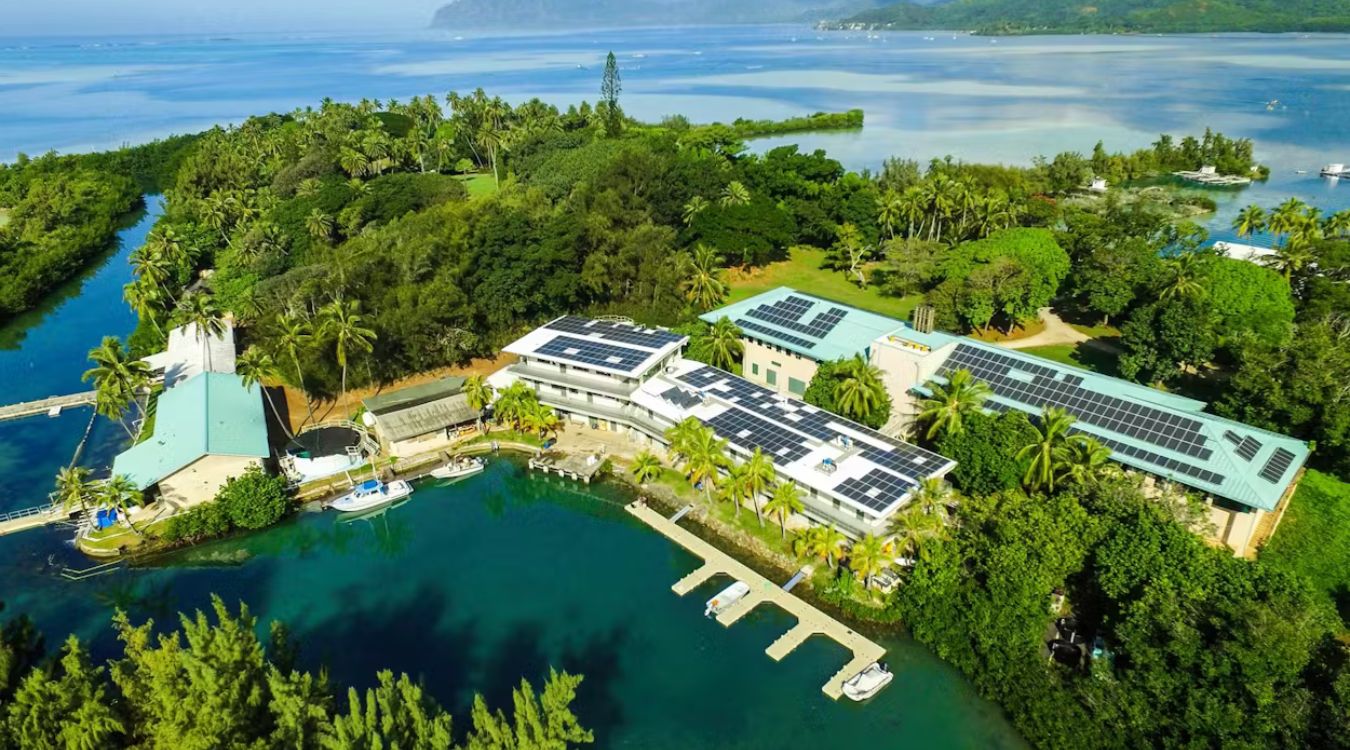
Have you ever wondered what makes Coconut Island in Hawaii so special? This tiny island, also known as Moku o Loʻe, is home to some of the most fascinating marine biology stations in the world. Researchers from around the globe come here to study the rich marine life and unique ecosystems. Imagine exploring tide pools filled with colorful fish, coral reefs teeming with life, and even spotting sea turtles. The island's labs and facilities provide scientists with the tools they need to understand and protect our oceans. Whether you're a science enthusiast or just curious about marine life, Coconut Island offers a glimpse into the wonders of the underwater world.
Discovering Coconut Island
Coconut Island, also known as Moku o Loʻe, is a small island in Kaneohe Bay, Hawaii. It's not just a tropical paradise but also a hub for marine biology research. Let's dive into some of the fascinating marine biology stations on this unique island.
The Hawaii Institute of Marine Biology (HIMB)
The Hawaii Institute of Marine Biology (HIMB) is a world-renowned research facility. It focuses on understanding marine ecosystems and the creatures that inhabit them. Here are some must-see spots within HIMB:
Marine Mammal Research Program: This program studies dolphins, whales, and other marine mammals. Researchers here work to understand their behavior, communication, and health.
Coral Reef Ecology Lab: Coral reefs are vital to marine life. This lab investigates how reefs grow, how they are affected by climate change, and what can be done to protect them.
Shark Research Facility: Sharks are often misunderstood creatures. This facility aims to learn more about their habits, migration patterns, and role in the ocean's ecosystem.
The Seawater System
The Seawater System is a crucial part of Coconut Island's research infrastructure. It provides a continuous supply of fresh seawater to various labs and tanks. This system supports a wide range of marine life studies.
Larval Fish Lab: This lab focuses on the early stages of fish development. Researchers study how fish larvae grow and what factors influence their survival.
Invertebrate Research Facility: Invertebrates like sea stars, sea urchins, and octopuses are studied here. These creatures play essential roles in marine ecosystems.
The Educational Outreach Program
Coconut Island isn't just for scientists. The Educational Outreach Program aims to teach students and the public about marine biology and conservation. It offers hands-on experiences and interactive learning opportunities.
Touch Tanks: These tanks allow visitors to get up close and personal with marine life. Touching sea cucumbers, starfish, and other creatures helps people understand their importance.
Field Trips: Schools can arrange field trips to Coconut Island. Students learn about marine biology through guided tours and activities.
The Marine Debris Research Program
Marine debris is a significant environmental issue. This program focuses on understanding and mitigating the impact of trash in the ocean.
Beach Cleanups: Regular beach cleanups help remove debris from the shoreline. Volunteers collect trash and data to understand the sources and types of debris.
Microplastics Lab: Microplastics are tiny plastic particles that pollute the ocean. This lab studies their effects on marine life and explores ways to reduce their presence.
The Marine Disease Ecology Lab
Marine diseases can have devastating effects on ocean life. This lab investigates the causes and impacts of diseases on marine organisms.
Coral Disease Research: Coral reefs are particularly vulnerable to disease. Researchers study how diseases spread and what can be done to prevent outbreaks.
Fish Health Studies: Healthy fish populations are crucial for marine ecosystems. This lab examines diseases that affect fish and seeks solutions to keep them healthy.
Discovering the Wonders of Coconut Island
Coconut Island offers a unique glimpse into marine biology. The research stations here are vital for understanding ocean ecosystems. Scientists study coral reefs, fish behavior, and marine conservation. This work helps protect our oceans for future generations.
Visitors can tour the facilities, learning about ongoing projects. The island's natural beauty adds to the experience. It's not just a research hub; it's a place of learning and inspiration.
Whether you're a student, a scientist, or just curious, Coconut Island has something to offer. The knowledge gained here impacts global marine science. It's a small island with a big role in ocean conservation.
Plan a visit to see firsthand the important work being done. You'll leave with a greater appreciation for our oceans and the efforts to protect them. Coconut Island is a hidden gem worth exploring.
