

Introduction
Welcome to the beautiful islands of Hawaii, where pristine beaches, lush landscapes, and a rich cultural heritage await you. Whether you're planning a romantic getaway, a family vacation, or an adventurous solo trip, Hawaii offers a little something for everyone.
Known for its stunning natural beauty, Hawaii consists of eight main islands: Hawaii (the Big Island), Maui, Oahu, Kauai, Molokai, Lanai, Niihau, and Kahoolawe. Each island has its own distinct charm and unique attractions, giving you a plethora of choices when planning your vacation.
From the moment you land, you'll be greeted with warm aloha spirit and immersed in the relaxed island atmosphere. But before you embark on your adventure, it's important to understand the expenses involved. On average, round-trip flights to Hawaii can range from $400–$900 from the U.S. West Coast, $600–$1,200 from the U.S. East Coast, and $500–$1,000 from Canada, depending on factors such as the time of year, airline, class of service, and how far in advance you book.
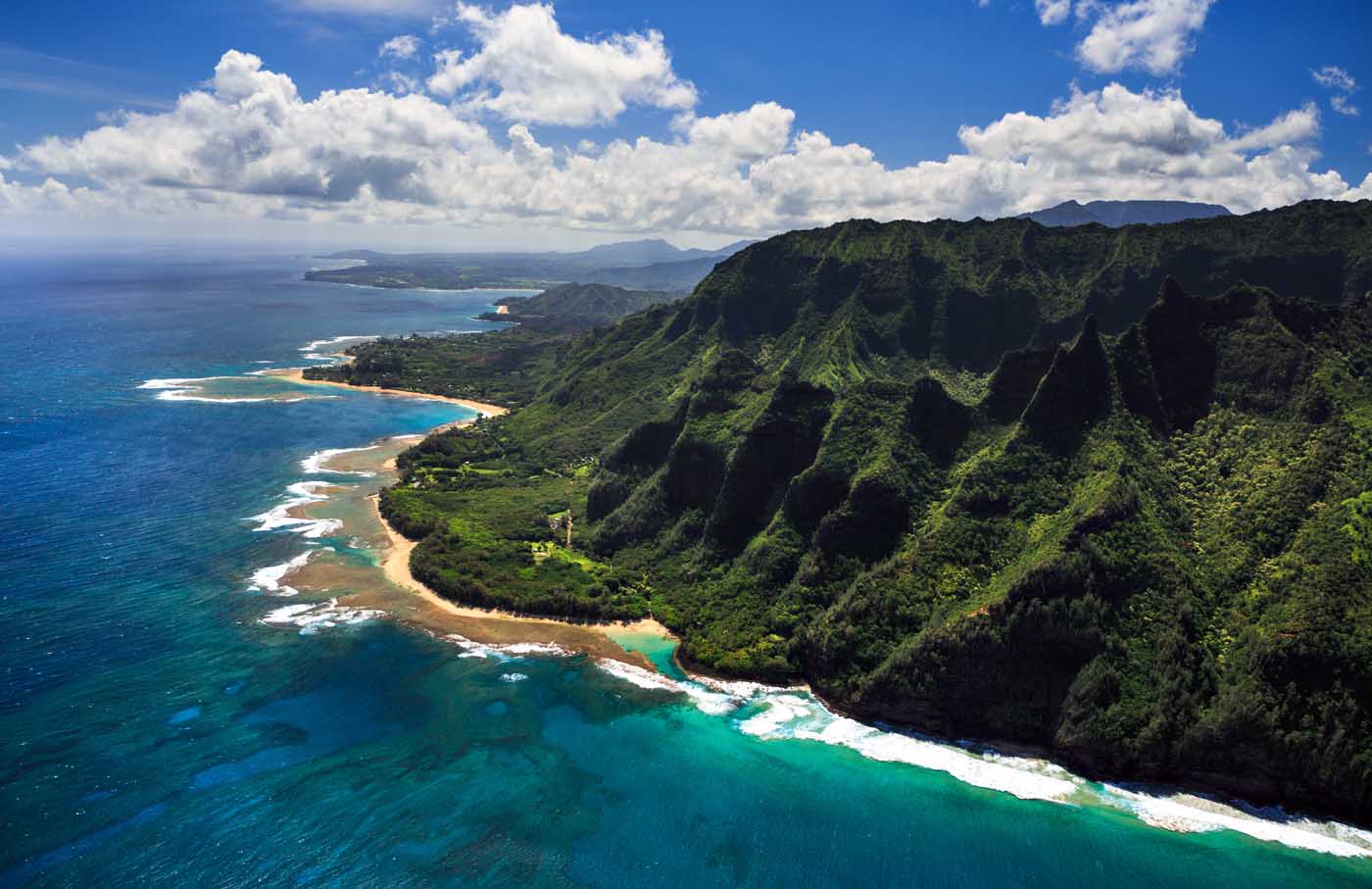
This article explores flights, accommodation, transportation on the islands, food and dining, activities and attractions, shopping, souvenirs, and travel insurance. We also provide tips on how to save money without compromising the experience. So, whether you're dreaming of sipping a Mai Tai on the beaches of Waikiki, hiking to the top of Haleakala on Maui, or exploring the Na Pali Coast on Kauai, get ready to discover how much a Hawaii vacation truly costs.
Flights to Hawaii
Getting to Hawaii is an exciting part of your vacation planning. Several airlines offer direct flights to the islands from major U.S. and international cities, though prices fluctuate by departure city, time of year, and airline.
To secure the best deals, be flexible with travel dates and avoid booking during peak seasons—summer months and the winter holiday period are the busiest. Sign up for fare alerts from airlines and travel websites to catch price drops and promotions. Booking a multi-city itinerary (flying into one island and departing from another) can also save money.
West Coast, $600–$1,200 from the U.S. Start monitoring prices several months ahead and book when you find a reasonable fare.
Baggage fees are common on most airlines, so factor those costs into your budget and consider packing light or choosing an airline with reasonable allowances. For travelers exploring multiple islands, you may also want to check how to get from Maui to the Big Island for inter-island connections. With careful planning and research, flights can be a manageable part of your vacation expenses.
Accommodation Options
When it comes to finding the perfect place to stay in Hawaii, you'll be spoiled for choice. From luxury resorts to boutique hotels, vacation rentals, and budget-friendly options, there is accommodation to suit every preference and budget.
The most popular areas for accommodations in Hawaii are Waikiki in Oahu, Lahaina in Maui, Kailua-Kona in the Big Island, and Poipu in Kauai. These regions offer a wide range of hotels, resorts, and vacation rentals, as well as easy access to beaches, restaurants, and attractions. For those wondering how to get from Maui to the Big Island for island-hopping, inter-island flights are the most common option.
If you're looking for a luxurious experience, Hawaii boasts some of the world's most renowned resorts. These high-end establishments offer top-notch amenities, stunning ocean views, and impeccable service. Be prepared to spend anywhere from $300 to $1,000 per night for a luxury resort experience.
If you prefer a more intimate and personalized stay, consider booking a boutique hotel or bed and breakfast. These smaller accommodations often have unique character, locally-inspired decor, and provide a more personalized touch. Prices for boutique hotels typically range from $150 to $400 per night.
Vacation rentals, such as condos, apartments, and private homes, are a popular choice for families or groups of friends traveling together. These accommodations offer more space, kitchen facilities, and a home-like atmosphere. Prices for vacation rentals vary depending on location, size, and amenities, but you can expect to pay around $150 to $500 per night.
For budget-conscious travelers, there are also several affordable options available, including budget hotels, hostels, and campgrounds. While these options may not offer all the luxuries of high-end resorts, they provide a comfortable and cost-effective base for exploring the islands. Budget hotels can range from $80 to $150 per night, while hostels and campgrounds can cost as low as $20 to $50 per night.
Regardless of where you choose to stay, it's recommended to book your accommodation well in advance, especially during is peak tourist season in Hawaii, which typically runs from mid-December through March and June through August. This will not only ensure availability but can also help you secure better rates. Additionally, consider checking for special deals, packages, or discounts that may be available through hotel websites or travel booking platforms.
With its diverse range of accommodation options, Hawaii offers something for every traveler's taste and budget. Whether you're seeking luxury, relaxation, or a home away from home, you can find the perfect place to stay and make your Hawaii vacation a memorable one.
Transportation on the Islands
Once you arrive, you'll need transportation to explore. Each island offers various ways to get around and discover hidden gems.
Renting a car is the most convenient way to navigate, giving you freedom to visit off-the-beaten-path destinations. Car rental prices range from $40 to $100 per day, depending on vehicle type and company. Parking can be limited and expensive in popular tourist areas, so plan ahead.
Public transportation is an affordable option. Each island has its own bus system, with schedules and routes accessible online or via mobile apps. Fares typically range from $2 to $5 per ride, depending on distance.
Some islands offer rideshare services like Uber and Lyft. Taxis are also available but more expensive than rideshares.
For an active, eco-friendly option, renting a bicycle is fantastic. Bike rental shops offer mountain bikes, beach cruisers, or electric bikes. Biking lets you soak up scenery and discover hidden nooks and crannies inaccessible by car.
Popular tourist areas have walking-friendly infrastructure, with scenic paths along beaches, through gardens, or within vibrant town centers.
If you're staying primarily in one area or joining organized tours, you may not need your own transport. Many hotels offer shuttle services to attractions, and tour operators often provide transportation as part of their package.
West Coast, $600–$1,200 from the U.S. For inter-island travel, you can get from Maui to the Big Island for reasonable prices via short flights or the ferry. To plan your trip around weather and crowds, check is peak tourist season in Hawaii. Overall, transportation options are abundant and cater to various preferences and budgets, whether you rent a car, use public transit, bike, walk, or rely on tours.
Food and Dining Expenses
Exploring the culinary scene in Hawaii is an adventure in itself. From fresh seafood to local delicacies and international cuisine, the islands offer a wide range of dining options. Prices vary greatly depending on the type of establishment and location. Fine dining and popular tourist areas tend to be on the higher end, while local eateries and street food vendors offer more affordable options.
For a high-end dining experience, be prepared to spend $50 to $150 per person. This includes upscale restaurants specializing in Hawaiian regional cuisine or international fare, often using fresh, locally-sourced ingredients.
Mid-range dining options range from $20 to $50 per person. This includes casual dining restaurants, cafes, and ethnic eateries where you can try Hawaiian favorites like poke bowls, loco moco, and plate lunches.
To save money, explore local food markets, food trucks, and small family-owned restaurants. These hidden gems offer delicious meals from $10 to $20 per person or less. Another way to save is to take advantage of happy hour specials at bars and restaurants, offering discounted drinks and appetizers. Tipping is customary in Hawaii, generally expected at 15–20% of the bill for good service.
If your accommodation has kitchen facilities, consider preparing some meals. Shopping at local grocery stores or farmers' markets lets you create meals using fresh, local ingredients—saving money and providing a fun culinary experience.
Overall, dining in Hawaii offers options for all budgets and tastes, from high-end restaurants to budget-friendly eateries. Whether you’re splurging or saving, the diverse culinary scene is sure to satisfy. For more travel tips and local favorites in Hawaii, be sure to check our related guides on how long is the ferry ride from Maui and the best beaches in Hawaii.
Activities and Attractions
When it comes to activities and attractions, Hawaii offers options for adventure and leisure. The beaches in Hawaii provide opportunities to relax, swim, surf, or snorkel. For nature enthusiasts, Hawaii Volcanoes National Park on the Big Island lets you witness an active volcano and explore volcanic landscapes.
Hiking is popular, with trails offering views of waterfalls, valleys, and coastlines. Iconic hikes include the Kalalau Trail in Kauai, the Diamond Head Trail in Oahu, and the Pipiwai Trail on Maui. For cultural immersion, visit traditional Hawaiian villages, attend hula performances and ukulele concerts, or explore historic sites like the Pearl Harbor Memorial in Oahu and the Puuhonua o Honaunau National Historical Park on the Big Island.
Water sports include surfing, paddleboarding, snorkeling, and diving around coral reefs and diverse marine life. A traditional Hawaiian luau offers local food, live entertainment, and Polynesian dance performances.
Costs vary by activity and location. Some attractions and parks charge entrance fees of $10 to $30 per person. Guided tours or excursions range from $50 to $200 or more, depending on duration and activity. Many activities are free or minimal cost, including public beaches, state park trails, free events, local markets, and art galleries.
West Coast, $600–$1,200 from the U.S. For island travel, you can get from Maui to the Big Island for a reasonable price via short flights or ferries. Those seeking quieter spots might explore Hawaiian hidden valleys and waters, while hiking and the outdoors in Hawaii reward visitors with dramatic scenery. To avoid crowds, note that is peak tourist season in Hawaii runs from mid-December through April, and for budget-friendly tips, check travel tips and local favorites in Hawaii. If you're curious about inter-island transport, how long is the ferry ride from Maui to Lanai—about 45 minutes to one hour. For a unique beach experience, seek out the secret sea glass beaches of Kauai.
Shopping and Souvenirs
Shopping in Hawaii ranges from high-end luxury brands to local crafts and Hawaiian-inspired products. The Ala Moana Center in Honolulu, Oahu, is a massive open-air mall with international and local brands, including high-end fashion, accessories, and beauty products. For a more local experience, explore boutiques, open-air markets, and artisans offering handmade crafts, artwork, jewelry, and clothing inspired by Hawaiian culture.
Hawaii is famous for its vibrant aloha shirts, available in affordable options to designer brands. Local farmers' markets offer fresh produce, tropical fruits, and unique food products—a great place to interact with vendors and sample exotic flavors. Souvenir options include traditional Hawaiian quilts, ukuleles, sea salt, macadamia nuts, small trinkets, keychains, and magnets. Look for the "Made in Hawaii" label to support local businesses and ensure authenticity.
Prices vary greatly: luxury branded items and high-end boutiques are more expensive, while local markets and artisans offer more affordable options. Many stores offer tax-free shopping for visitors from outside Hawaii; check eligibility and requirements before purchasing.
West Coast, $600–$1,200 from the U.S. For getting around, you can also research how to get from Maui to the Big Island for inter-island travel options.
Travel Insurance
When planning a Hawaii vacation, one aspect that should not be overlooked is travel insurance. It protects you from unforeseen circumstances such as trip cancellation or interruption, medical emergencies, lost luggage, and other unexpected events. Hawaii is subject to extreme weather or personal emergencies, and insurance can mitigate the financial and logistical burden.
When selecting travel insurance, look for policies that include trip cancellation or interruption coverage, emergency medical and evacuation coverage, and baggage loss or delay coverage. Carefully review the terms and conditions to understand what is covered and any exclusions, especially regarding pre-existing medical conditions—disclose any relevant information during the application process. Also, understand the claims process and required documentation.
The cost of travel insurance varies depending on trip duration, coverage limits, and the traveler’s age. On average, it ranges from 5% to 10% of the total trip cost. Before purchasing, check if you already have coverage through your credit card or existing insurance policies—some cards offer trip cancellation or delay coverage when you book using the card, though limitations or restrictions may apply.
Travel insurance is an essential aspect of your Hawaii vacation planning, providing financial protection and peace of mind. It allows you to fully enjoy your trip without worry, whether you are exploring the best beaches in Hawaii or seeking out Hawaiian hidden valleys and waters. Remember to review policy details and select coverage options that align with your specific needs for a worry-free stay in the islands.
Tips for Saving Money on a Hawaii Vacation
While Hawaii is a dream destination, expenses can add up quickly. With careful planning and smart choices, you can enjoy a memorable trip without breaking the bank. Here are practical tips for saving money:
- Be flexible with your travel dates: Visit during off-peak seasons when prices for flights, accommodations, and activities are more affordable. Avoiding major holidays and school vacation periods helps secure better deals. West Coast, $600–$1,200 from the U.S.
- Look for package deals: Many travel providers and airlines offer packages bundling flights, accommodations, and sometimes activities. Bundling can result in significant savings compared to booking separately.
- Consider alternative accommodations: Vacation rentals or smaller boutique hotels can be more affordable than big resorts. These often provide kitchen facilities, allowing you to save on dining costs by preparing some meals yourself.
- Eat like a local: Dine at local eateries, food trucks, and markets for affordable, authentic Hawaiian flavors. Try plate lunches and indulge in fresh fruits. For more ideas, check our travel tips and local favorites in Hawaii.
- Utilize public transportation: Use the public bus system, rideshare services, or walk where possible to save on transportation costs. Renting a car may not be necessary if you stay in one area or use organized tours that provide transport.
- Take advantage of free and discounted activities: Hawaii offers free or low-cost activities such as hiking trails, public beaches, and cultural events. Check local event calendars and tourist information centers. Explore hiking and the outdoors in Hawaii for trail suggestions.
- Shop smart: Look for local markets, artisans, and outlet stores for souvenirs. Avoid touristy areas where prices may be inflated; seek locally-made products for an authentic experience.
- Pack wisely: Save on baggage fees by packing light and using carry-on luggage. Bring essential items like sunscreen, toiletries, and medications from home, as they can be more expensive in Hawaii.
- Stay hydrated: Bring a reusable water bottle and refill at water fountains or public stations. Purchasing bottled water adds up quickly in popular tourist areas.
- Take advantage of free attractions: Explore public parks, beaches, and scenic lookouts with little to no entrance fees. Some attractions offer free or discounted admission on certain days or times—research and plan accordingly.
By implementing these tips, you can make your Hawaii vacation more affordable without sacrificing the incredible experiences the islands offer. With a bit of planning and creativity, you can create an unforgettable trip that fits your budget.
Conclusion
Hawaii truly is a paradise destination that offers natural beauty, cultural experiences, and adventure. While planning a Hawaii vacation involves careful consideration of expenses, the memories are worth it.
West Coast, $600–$1,200 from the U.S. From flights and accommodations to transportation, dining, activities, and shopping, it's essential to have a clear understanding of the costs. By being flexible with your travel dates, exploring various accommodation options, utilizing public transportation, and indulging in local cuisine, you can save money.
Taking advantage of free attractions and looking for discounted activities helps you stay within your budget. Whether lounging on the breathtaking beaches, hiking through lush landscapes, or immersing yourself in the local culture, there are countless opportunities to create priceless memories. For outdoor enthusiasts, the article also covers hiking and the outdoors in Hawaii. Remember to consider travel insurance to provide coverage and peace of mind during your trip.
As you explore the islands, embrace the aloha spirit, immerse yourself in the unique blend of cultures, and discover the stunning natural wonders. Whether you're seeking relaxation, adventure, or a deep connection with the land and its people, Hawaii will leave you with cherished memories. So, pack your swimsuit, put on your flip-flops, and get ready to embark on a journey to paradise. Aloha and welcome to Hawaii!
