

Hawaii’s Ancient Taro Field Engineering Secrets
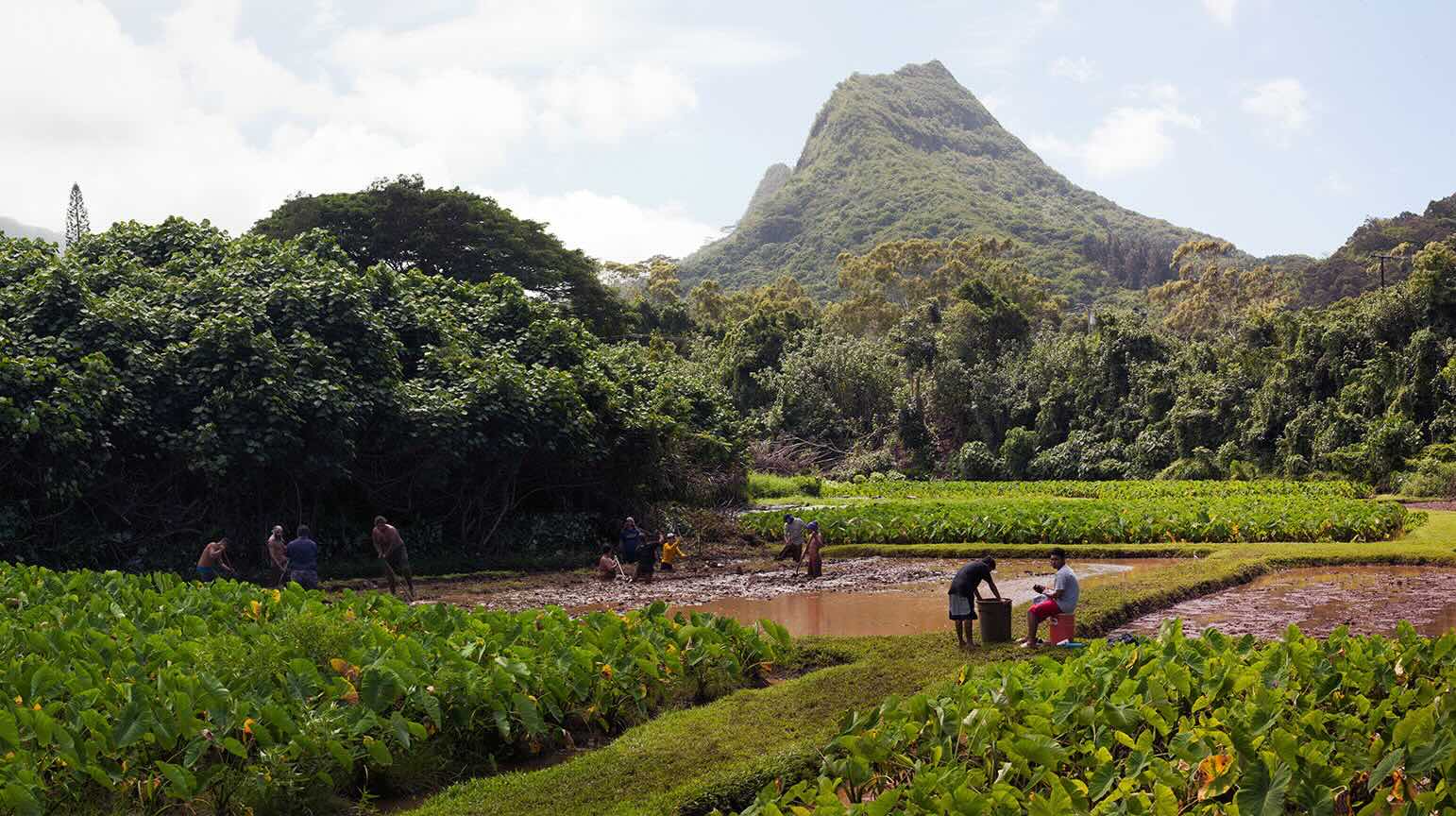
Have you ever wondered how ancient Hawaiians managed to cultivate taro in such large quantities? Hawaii's ancient taro field engineering secrets reveal a fascinating blend of ingenuity and respect for nature. These early farmers created intricate irrigation systems called "auwai" to channel water from streams into their fields. This method ensured a steady water supply, crucial for taro growth. They also designed terraced fields, which helped prevent soil erosion and made efficient use of limited space. These techniques not only sustained large communities but also preserved the environment. Let's dive into the remarkable world of Hawaii's ancient agricultural practices and uncover the wisdom behind them.
Hawaii's Ancient Taro Field Engineering Secrets
Hawaii's ancient taro fields are a marvel of engineering and agriculture. These fields, known as lo'i kalo, showcase the ingenuity and deep understanding of the land by the Native Hawaiians. Let's explore some of the most fascinating taro fields across the islands.
Oahu's Ingenious Lo'i Kalo
Oahu, the most populous island, is home to some of the most impressive taro fields. These fields not only provided sustenance but also played a crucial role in the community's social and cultural life.
Waikīkī's Ancient Lo'i
Waikīkī, now famous for its beaches, once had extensive taro fields. These fields were ingeniously designed to utilize the natural flow of water from the mountains, ensuring a constant supply of fresh water for the taro plants.Kahana Valley
Kahana Valley is a living example of traditional Hawaiian agriculture. The valley's taro fields are still maintained using ancient methods, providing a glimpse into the past and a testament to sustainable farming practices.
Maui's Masterful Irrigation Systems
Maui's taro fields are renowned for their sophisticated irrigation systems. These systems demonstrate the Hawaiians' deep understanding of hydrology and their ability to manipulate water flow to their advantage.
Waihe'e Valley
Waihe'e Valley is home to some of the most well-preserved taro fields on Maui. The valley's irrigation ditches, known as 'auwai, are a marvel of engineering, channeling water from nearby streams to the taro patches.Ke'anae Peninsula
The Ke'anae Peninsula boasts extensive taro fields that have been cultivated for centuries. The peninsula's unique geography allowed for the creation of intricate irrigation networks that ensured the fields remained fertile and productive.
Kauai's Fertile Fields
Kauai, often called the "Garden Isle," is famous for its lush landscapes and fertile soil. The island's taro fields are a testament to the Hawaiians' ability to harness the land's natural resources.
Hanalei Valley
Hanalei Valley is one of the most iconic taro-growing regions in Hawaii. The valley's fields are fed by the Hanalei River, which provides a steady supply of water, making it one of the most productive taro-growing areas in the state.Waipa Foundation
The Waipa Foundation on Kauai is dedicated to preserving traditional Hawaiian agriculture. The foundation's taro fields are maintained using ancient techniques, providing a living classroom for those interested in learning about sustainable farming practices.
Big Island's Volcanic Soil
The Big Island's volcanic soil provides a unique environment for taro cultivation. The island's taro fields are a testament to the adaptability and resourcefulness of the Hawaiian people.
Waipi'o Valley
Waipi'o Valley, often referred to as the "Valley of the Kings," is home to some of the most fertile taro fields in Hawaii. The valley's rich volcanic soil and abundant water supply make it an ideal location for taro cultivation.Kohala Ditch
The Kohala Ditch is an impressive feat of engineering that channels water from the Kohala Mountains to the taro fields below. This irrigation system, built in the early 20th century, continues to support taro cultivation on the Big Island.
Hawaii's ancient taro fields are more than just agricultural sites; they are a testament to the ingenuity, resilience, and deep connection to the land that the Native Hawaiians possess. Each field tells a story of innovation and sustainability that continues to inspire and educate.
The Legacy of Hawaii's Taro Fields
Hawaii's ancient taro fields showcase the ingenuity and deep respect for nature held by early Hawaiians. These fields, or lo'i kalo, were not just agricultural marvels but also a testament to sustainable living. By understanding the natural flow of water and the land's contours, early Hawaiians created a system that provided food and maintained ecological balance.
Today, these fields remind us of the importance of sustainable practices. They offer lessons in how to work with nature rather than against it. Modern agriculture can learn much from these ancient techniques, emphasizing the need for harmony with our environment.
Visiting these fields provides a glimpse into a rich cultural heritage. It's a chance to appreciate the wisdom of the past and consider how we can apply these principles to our lives today. Hawaii's taro fields are more than historical sites; they are blueprints for a sustainable future.
